

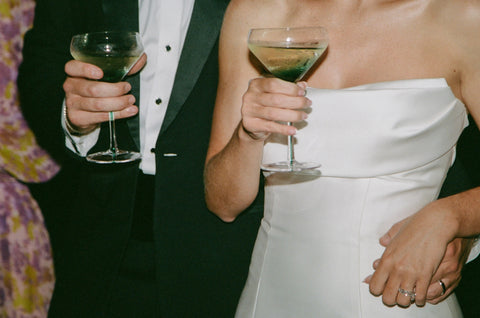


Black Tie Optional Meaning: Understanding Modern Formal Wear

Black tie optional provides the perfect balance between traditional formality and modern flexibility. At its core, this dress code maintains the elegance of a formal event while acknowledging that not every guest owns or wants to rent a tuxedo. For men, this translates to two equally appropriate options: a classic tuxedo or a refined dark suit. This guide explores the nuances of black tie optional, from understanding when and where it's appropriate to mastering seasonal adaptations and avoiding common styling mistakes. Whether you're attending a wedding, gala, or milestone celebration, you'll learn how to navigate this increasingly popular dress code with confidence while respecting both the hosts' vision and your personal style.
Introduction
Black tie optional acknowledges that not everyone owns formal wear while maintaining the sophisticated atmosphere hosts envision for their special day.
Why Understanding 'Black Tie Optional' Matters Today
If you've received an invitation marked "black tie optional," you're not alone in wondering what exactly this means. This increasingly popular dress code has become the go-to choice for modern couples who want their celebrations to feel elegant without putting financial pressure on their guests. Born from a desire to balance formality with accessibility, black tie optional acknowledges that not everyone owns formal wear—yet still maintains the sophisticated atmosphere hosts envision for their special day.
Understanding this dress code matters more than ever in 2025. With wedding costs rising and guest lists expanding, hosts are choosing flexibility over rigid requirements. The beauty of black tie optional lies in its thoughtful compromise: it welcomes both the classic tuxedo and the refined dark suit, ensuring everyone can participate in the celebration while looking their best. For those considering
Defining Black Tie Optional
Black tie optional provides flexibility between traditional formality and modern accessibility, welcoming both tuxedos and refined dark suits.
What 'Black Tie Optional' Actually Means in Modern Settings
Black-tie optional provides the perfect balance between traditional formality and modern flexibility. At its core, this dress code maintains the elegance of a formal event while acknowledging that not every guest owns or wants to rent a tuxedo. Think of it as your hosts' way of saying, "We'd love you to dress formally, but we understand if a tuxedo isn't in the cards."
For men, this translates to two equally appropriate options: a classic tuxedo or a refined dark suit. If you choose the suit route, stick to sophisticated colors like black, charcoal, or
Black Tie vs. Black Tie Optional: Key Differences
Understanding the distinction between these dress codes helps you navigate formal events with confidence. Traditional black tie leaves no room for interpretation—it's tuxedos and floor-length gowns, period. Black-tie optional, however, embraces choice while maintaining elegance.
The most significant difference appears in men's attire options. While black tie demands a tuxedo without exception, black-tie optional welcomes well-tailored dark suits as an acceptable alternative. Your hosts will likely don traditional black tie themselves, setting an aspirational tone while respecting that you might choose a sophisticated suit instead.
For women, the differences are subtler but equally important. Both dress codes welcome floor-length gowns, cocktail dresses, and dressy separates. The key distinction? Black-tie optional permits slightly shorter hemlines—dresses that reveal the ankles or fall just below the knee remain appropriate, while strict black tie traditionally calls for floor-grazing lengths. However, anything above the knee ventures into cocktail attire territory and misses the mark entirely.
When and Where This Dress Code Is Typically Requested
You'll encounter black-tie optional at upscale weddings, charity galas, milestone celebrations, and formal corporate events. This dress code has gained momentum as hosts seek to create an elegant atmosphere without imposing the financial burden of mandatory formal wear rentals or purchases on their guests.
The venue and timing provide essential context clues for interpreting this flexible dress code. Grand ballrooms and luxury hotels naturally call for leaning toward the more formal end of the spectrum—think tuxedos over suits when possible. Meanwhile, outdoor venues or destination celebrations might inspire slightly relaxed interpretations while maintaining overall elegance.
Timing plays an equally crucial role in your attire decisions. Evening events after 6 PM traditionally demand darker, more formal choices that align with classic evening wear conventions. As we explore in the "Seasonal and Venue Considerations" section, daytime celebrations offer more flexibility with colors and fabrics while preserving the sophisticated standard this dress code requires.
Men's Black Tie Optional Attire
Modern tuxedos feature premium fabrics like barathea wool or mohair blends that catch light beautifully throughout the evening.
Traditional Tuxedo Components and Styling
When choosing a tuxedo for black tie optional events, understanding each component helps you achieve that polished formal look. The jacket forms your foundation - select either classic black or midnight blue, which actually appears darker under evening lights. Modern tuxedos feature premium fabrics like barathea wool or mohair blends that catch light beautifully throughout the evening[7].
Your lapel choice sets the tone: shawl lapels offer timeless elegance, peak lapels add sharp sophistication, while notch lapels provide versatility. For black tie optional specifically, a
Acceptable Dark Suit Alternatives
As discussed in the "Defining Black Tie Optional" section, a dark suit provides an elegant alternative when you prefer not to wear a tuxedo. Your suit selection matters - stick to black, charcoal, or deep
Essential Accessories and Finishing Touches
The right accessories transform your black tie optional look from standard to exceptional. For tuxedos, select refined cufflinks and shirt studs in classic materials like mother-of-pearl or brushed gold. Pair these with a crisp white pocket square folded in a simple presidential style - this timeless combination never fails[8].
While traditionally watches weren't worn with formal wear, today's events often call for subtle timepieces. Choose a slim dress watch with a black leather strap that slides discreetly under your cuff[10]. When wearing a suit, maintain the same attention to detail with quality cufflinks in silver or onyx, steering clear of novelty designs or logos[9].
Your shoe choice makes a statement. Patent leather Oxfords remain the gold standard for tuxedos, while polished black calf leather dress shoes perfectly complement dark suits. The key is ensuring they're impeccably maintained - scuffed shoes can undermine an otherwise flawless ensemble[9].
Don't overlook the details: over-the-calf dress socks in black silk or fine wool prevent any awkward skin exposure when seated. For cooler weather, a well-cut overcoat in dark wool or cashmere provides both warmth and sophistication - just remember to check it upon arrival[10].
Contemporary Interpretations and Flexibility
Today's black tie optional dress code offers more room for personal style than ever before, while still demanding respect for formal traditions. The modern approach allows you to move beyond strict black-and-white choices without sacrificing elegance.
For evening events, consider sophisticated alternatives like a midnight
Seasonal and Venue Considerations
The tropical black tie approach features an ivory dinner jacket with traditional black tuxedo trousers, offering visual lightness and formal sophistication.
Adapting Black Tie Optional for Summer Events
When dressing for summer black tie optional events, your primary challenge is balancing formality with comfort. Start by choosing lighter-weight fabrics that won't sacrifice sophistication - look for tropical-weight wools or wool-mohair blends that maintain their structure in warm weather. If you're wearing a tuxedo, stick to classic black or midnight blue, as these colors photograph beautifully and maintain their elegance under both natural and artificial lighting.
For a refined warm-weather alternative, consider the 'tropical black tie' approach: pair an ivory dinner jacket with traditional black tuxedo trousers, a crisp white dress shirt, and black bow tie. This combination has graced summer society events for decades and offers both visual lightness and formal sophistication.
If you're choosing a suit over a tuxedo, a lightweight
Winter Formal Wear Adjustments and Options
Winter brings unique opportunities to elevate your black tie optional style through luxurious fabrics and rich textures. Begin with substantial materials - barathea wool or wool-mohair blends provide both warmth and structure, ensuring your jacket maintains its shape throughout the evening. For those seeking to make a sophisticated statement, velvet dinner jackets in deep jewel tones like burgundy or midnight blue offer tactile luxury while adhering to formal standards.
Your shirt choice remains constant regardless of temperature - a classic white marcella shirt with French cuffs provides the crisp foundation every formal ensemble requires. The real winter consideration comes with outerwear: invest in a quality black wool or cashmere overcoat that falls below the knee. The Chesterfield style, with its distinctive velvet collar, proves particularly elegant for formal occasions.
Layer thoughtfully with accessories that complement rather than overwhelm. A fine merino wool or cashmere scarf in charcoal or black adds warmth during travel, while a white silk pocket square - perhaps with a subtle dark border - provides refined contrast. Remember to remove outerwear immediately upon arrival and check it properly; carrying a bulky coat undermines even the most carefully curated formal look.
Destination and Outdoor Event Modifications
Destination and outdoor venues present unique styling opportunities within the black tie optional framework. Your first consideration should be the specific environment - beach ceremonies, garden receptions, and vineyard celebrations each call for subtle adjustments while maintaining formal elegance.
For outdoor settings, prioritize fabrics that perform well in variable conditions. Choose suits in lightweight wools or sophisticated blends that resist wrinkling and maintain their structure even in humid conditions. The setting might inspire slight color variations - a midnight blue tuxedo can appear particularly striking against natural backdrops, while maintaining appropriate formality.
Consider practical elements without sacrificing style. For beach venues, ensure your footwear has sufficient sole thickness to navigate sand gracefully. Garden weddings might require considering grass-friendly heel options or bringing a secondary pair for cocktail hour on lawns. The tropical black tie approach - featuring an ivory dinner jacket with traditional black tuxedo trousers - works beautifully for warm-weather destinations while respecting formal traditions.
Most importantly, research your specific venue thoroughly. Historic estates often demand more traditional interpretations, while modern outdoor spaces might welcome subtle contemporary touches. When in doubt, lean toward classic choices that photograph well in natural light and complement rather than compete with the scenic surroundings.
Daytime vs. Evening Event Distinctions
Understanding the distinction between daytime and evening black tie optional events helps you strike the perfect balance between appropriateness and elegance. The 6 PM watershed remains your key guideline - events starting after this time call for deeper, more formal color palettes.
For evening affairs, embrace the drama of darker hues. Men should choose black or midnight blue tuxedos, or if opting for suits, stick to charcoal or deep navy. These colors photograph beautifully under artificial lighting and maintain the sophisticated atmosphere evening hosts envision. Women find their best options in jewel tones and classic black, with floor-length gowns creating the most appropriate silhouette.
Daytime events open up your color palette while maintaining formal standards. Before 6 PM, men can confidently wear dinner jackets in sophisticated alternatives like deep maroon or forest green, particularly for outdoor celebrations. The natural light flatters these richer tones while still respecting the event's formal nature. Women gain flexibility in both color and hem length - a sophisticated cocktail dress that shows the ankles becomes perfectly appropriate, though anything above the knee remains too casual regardless of timing.
Remember that "optional" never means casual - it simply offers choice within formal parameters. Whether noon or night, your ensemble should reflect thoughtful consideration of the celebration's significance.
Common Mistakes and Expert Recommendations
The word 'optional' refers only to the choice between tuxedo and formal suit, not whether to dress formally at all.
Frequent Misinterpretations of the Dress Code
Despite its growing popularity, black-tie optional remains one of the most misunderstood dress codes. The most common mistake? Interpreting 'optional' as permission to dress down substantially. As we've explored in earlier sections, this dress code maintains formal standards while simply offering flexibility in achieving them. Many guests wrongly assume they can skip the formality altogether, arriving in business casual when hosts expect elevated evening wear. Another frequent error involves confusing black-tie optional with semi-formal attire, where ties become genuinely optional and dress lengths can vary more dramatically. The word 'optional' creates particular confusion - it refers only to the choice between tuxedo and formal suit, not whether to dress formally at all. Understanding this distinction helps guests honor the hosts' vision while working within their own wardrobe constraints. When couples select this dress code, they're typically aiming to create an elegant atmosphere while acknowledging that formal wear represents a significant investment for their guests.
Styling Faux Pas to Avoid
Several common styling mistakes can undermine an otherwise appropriate black tie optional ensemble. If you're opting for a tuxedo, wearing a standard necktie instead of a bow tie immediately signals unfamiliarity with formal dress codes - the silk bow tie remains non-negotiable when choosing the tuxedo route. Similarly, attempting to pass off a regular business suit as formal wear won't work; the construction, lapels, and details of a tuxedo create a distinctly different silhouette. Pay special attention to your midsection - an exposed waistband breaks the visual flow of formal attire. A cummerbund or waistcoat serves both aesthetic and practical purposes, creating clean lines while covering the shirt-to-trouser transition.
Footwear deserves equal consideration. Standard office dress shoes, particularly chunky derbies or brogues, clash with formal wear's refined aesthetic. Instead, choose sleek patent leather oxfords or opera pumps that complement the ensemble's elegance. Your shirt selection matters too - a regular dress shirt lacks the formal details that elevate black tie optional attire. Look for shirts with pleated or piqué fronts, French cuffs, and appropriate collar styles designed specifically for formal wear. When selecting a formal ensemble, whether
How to Navigate Uncertain Dress Code Instructions
When faced with unclear dress code instructions, become a detective. Start with the invitation itself - heavy cardstock, engraving, or letterpress printing often signals a more formal affair. The quality of the invitation frequently mirrors the expected attire standards. Next, consider the context clues discussed throughout this guide: timing, venue, and event type all provide valuable hints. Evening events at upscale hotels lean formal, while afternoon garden parties might allow more flexibility within elegant parameters.
Don't hesitate to reach out to your hosts for clarification - they'll appreciate your thoughtfulness in wanting to dress appropriately. If direct contact feels awkward, try researching similar events online or asking other attendees about their plans. For recurring events like charity galas or award ceremonies, previous years' photos can provide helpful guidance. When all else fails, remember this golden rule: slightly overdressed beats underdressed every time. A well-tailored dark suit with refined accessories positions you perfectly for most formal occasions, allowing you to feel confident regardless of what others choose to wear.
Conclusion
Summary of Black Tie Optional Essentials
Black tie optional strikes a thoughtful balance between formality and flexibility. The core principle is that tuxedos and floor-length gowns are preferred but not mandatory - dark suits and cocktail dresses that show the ankles are acceptable alternatives[19]. For men, this means either wearing a tuxedo or choosing a formal dark suit (black, navy, or charcoal) with a white dress shirt and conservative tie[19]. Women can opt for floor-length evening gowns or elegant cocktail dresses, though anything above knee length remains too casual[19]. The dress code emerged as hosts sought to maintain an elevated atmosphere while being mindful of guests' varying budgets and comfort levels[19]. Evening events after 6 PM typically lean toward darker, more formal attire choices, while daytime celebrations allow slightly more flexibility with colors and fabrics[19]. The key is committing fully to whichever level of formality you choose - whether going full black tie or selecting an elegant alternative that maintains the event's refined atmosphere[19].
The Future of Formal Dress Codes in a Changing World
Formal dress codes are undergoing dramatic transformation as workplace culture evolves. The pandemic accelerated existing trends away from strict formal attire, with clothing sales plummeting 25% in 2020 and business fashion particularly impacted[20]. Technology and sustainability now shape formal wear's future - innovative fabrics with moisture-wicking and temperature-regulating properties are emerging, while eco-friendly materials and transparent supply chains become industry priorities[21]. The shift extends beyond materials to fundamental cultural changes. Companies increasingly focus on functionality over formality, caring less about traditional business attire as hybrid work models become standard[20]. This reflects broader societal shifts - while formal suits once symbolized status dating back to Victorian era professionals, Silicon Valley's casual culture and changing workplace demographics have redefined executive appearance[21]. Rather than reverting to pre-pandemic formality, experts predict a continued drift toward flexible dress codes that prioritize individual comfort and productivity over rigid rules[20]. The business suit's cultural significance has fundamentally changed - no longer a universal symbol of professionalism, it's becoming reserved for specific industries and occasions where traditional formality still holds meaning[21].
- The term 'black tie optional' emerged in the United States and is sometimes used interchangeably with 'semi-formal attire.' This dress code was introduced to give guests more outfit choices while preserving an elegant and sophisticated atmosphere. - https://www.friartux.com/blog/blog2305.html?srsltid=AfmBOoptAO7q7oUp8xdELC9WQdh2nlRfxRIGYwrWjwdk95wG0ThG6JH1
- Since some couples want to encourage their guests to get dressed up without pressuring anyone to buy or rent a tuxedo, this dress code has risen in popularity. More specifically, this level of formality acknowledges that not everyone has the means to afford what's typically required of a black-tie celebration, while still asking guests to wear their most elevated ensembles. - https://www.brides.com/black-tie-optional-wedding-attire-4800698
- Black tie versus black-tie optional, black-tie optional versus formal—breaking down the difference between these wedding dress codes can be confusing. The biggest difference between black-tie attire and black-tie-optional attire is simply choice. Traditional black-tie attire means dressing up is non-negotiable—tuxedo, bow tie, patent leather shoes, the works. Black-tie-optional attire opens the door to dark suits as an acceptable alternative. - https://www.theknot.com/content/what-to-wear-formal-black-tie-optional-black-tie-invited
- Black-Tie Optional is an invitation to dress in Black Tie if you can... Effectively, the 'Optional' in Black-Tie Optional means that men who do not wish to or are not able to wear conventional Black Tie have the option to wear something else... Your suit should always be very dark at a Black-Tie Optional event to approximate the formality of the black tuxedos you'll be seeing. - https://www.gentlemansgazette.com/tuxedo-black-tie-guide/etiquette/black-tie-optional-dress-code/
- As the wording here suggests, black-tie optional is a wedding guest dress code that's slightly less formal than black-tie wedding attire. So, a tuxedo isn't required, but it can still be worn, if preferred. If men do opt for a suit, it's best to wear a formal dark suit, white shirt, and a conservative tie. For women, the outfit choices remain the same as black-tie affairs: a floor-length gown, a fancy cocktail dress, or a dressy pantsuit. In fact, there isn't much of a difference between black-tie and black-tie optional for women, although Mae says it's more acceptable to wear a dress that shows the ankles to a formal event (unlike a black-tie dress code). - https://www.brides.com/story/wedding-dress-code-explained
- Common occasions for black tie optional dress codes include weddings, charity galas, awards ceremonies, and business dinners. This dress code allows guests to dress elegantly without the stringent requirements of traditional black tie attire. - https://www.friartux.com/blog/blog2305.html?srsltid=AfmBOopR8B41PUGwls4nwtls5CMsgu0wGqwseH6xXoUE7YOZZ7d-F2WN
- Traditional tuxedo jackets are defined by their silk lapels, which can be notch, peak, or, most commonly, shawl—the latter two of which look especially killer in double-breasted form, though single-breasted is more conventional. The trousers should, of course, match the jacket. They should also be formal, pressed, and straight in the leg, and are often designed with a line of satin fabric running down their exterior. - https://www.gq.com/story/black-tie-attire-explained
- In Black Tie Optional attire, accessories play a major role in checking the boxes for a formal dress code. Traditionally, in Black Tie dress code, a white or black bow tie with a tuxedo shirt and cufflinks is expected. - https://stateandliberty.com/blogs/news/black-tie-optional-men?srsltid=AfmBOorLINKRgVrEn6r5UmorHy3UzUNA896Pbe55MySJGW2_AbbA30pt
- For jewelry, go for elegant and timeless pieces such as diamond or pearl earrings, a delicate necklace, or a statement bracelet. These accessories add a touch of glamor and enhance your overall ensemble. - https://www.friartux.com/blog/blog2305.html?srsltid=AfmBOor2xcpGmV1UVVhGCZbAUI9GAdVNtQB9fHMBcXYEiou8vG9e9dBd
- While traditionally, watches were not worn with evening wear; a slim dress watch is acceptable. Opt for a simple design with a black leather strap. The Jaeger-LeCoultre Master Ultra Thin or the Patek Philippe Calatrava are excellent choices. - https://thevou.com/blog/black-tie-optional-dress-code-men/
- However, you can depart from the black tuxedo a little if you'd like to show some personality. If the event is in the evening, it is always wise to stay with somber, elegant colors, but a charcoal or navy tux is also perfectly acceptable. - https://www.oliverwicks.com/article/black-tie-optional?srsltid=AfmBOorXT5KqZeDmq1TMFxC6wyvGT6UqoYYaCtHhUfkJqv0hHsS-318D
- A traditional tuxedo consists of several key components that work together to create the quintessential formal look. The jacket should be black or midnight blue - with midnight blue actually appearing darker under artificial lighting - made from barathea wool, velvet, or mohair blends that elegantly reflect light. - https://www.friartux.com/blog/blog2305.html?srsltid=AfmBOop93yL2PTdvv97o8JxS5OH2kIEl3vPyVoD5xsYS4eNmMAFgiEpT
- However, there is an alternate black tie standard that is acceptable for men—the 'tropical black tie,' or an ivory dinner jacket, crisp white dress shirt and subtle cufflinks, black tuxedo trousers, formal black leather shoes (again, Oxfords will always work), and the same black bow tie and accessories that you'd use with a tuxedo... If the event is earlier in the day, a stately maroon or forest green will work too. - https://www.oliverwicks.com/article/black-tie-optional?srsltid=AfmBOorANoKE0ojrpHSXYY_vwQkwHJfjF7kpQydUWs3NwxpI4EsqSwwk
- In colder weather, choose heavier fabrics such as wool or velvet for your tuxedo to provide more warmth. A velvet dinner jacket in a rich jewel tone like burgundy or midnight blue is a sophisticated choice for winter black tie occasions. A classic white marcella shirt with French cuffs remains a timeless option. When travelling to and from the event, a smart black wool or cashmere overcoat is essential. A Chesterfield style overcoat with a velvet collar is a particularly elegant choice. Accessorise with a wool or cashmere scarf in a dark colour and a white silk pocket square, perhaps with a dark border. - https://thevou.com/blog/black-tie-dress-code-styling-guide-men/
- Consider the season, especially if the couple are tailoring their wedding theme and palette to it, such as a garden wedding in the springtime or an indoor affair in winter... Lastly, look to the venue for inspiration for your outfit; from a historic estate to a farm to a country club, there are many ways to match your dress to the ambiance. - https://www.100layercake.com/2024/05/06/what-to-wear-to-a-black-tie-optional-wedding/
- While a black necktie is certainly a black tie in the most literal sense, the black tie dress code strictly calls for a blackbowtie – made from the same silk-satin materials as the lapels of one's tuxedo, that is. - https://www.realmenrealstyle.com/black-tie-attire-mistakes/
- The pocket handkerchief is a chromatic accent, a distinctive sign, an accessory quirk. It must stand out from the rest of the outfit, especially the tie:choose the right pocket squareand of the same color or pattern of your tie. - https://blog.lanieri.com/en/menswear-elegance-mistakes-dressing-formal/
- If the invitation is engraved, letter-pressed, or embossed on nice card stock, the host is probably spending time and money on the event. Acknowledge the efforts with a suit, dress shirt and neckwear — women should wear at least a cocktail dress. - https://www.gentlemansgazette.com/the-dress-code-primer/
- A black-tie optional dress code gives guests a couple of formal options to choose from. Men are requested to wear a tuxedo, but can opt for a dark suit. Women can choose either a formal evening gown, a shorter cocktail dress, or dressy separates. - https://emilypost.com/advice/attire-guide-dress-codes-from-casual-to-white-tie
- clothing sales plummeted 25% in 2020...The question is, does it help produce the results you want? - https://www.bbc.com/worklife/article/20210713-is-the-formal-suited-and-booted-office-dress-code-extinct
- advancements in textile technology are poised to revolutionize men's formal wear with the emergence of tech-infused fabrics that offer enhanced performance and functionality - https://news.stanford.edu/stories/2021/02/dress-codes-reveal-politics-social-change


