

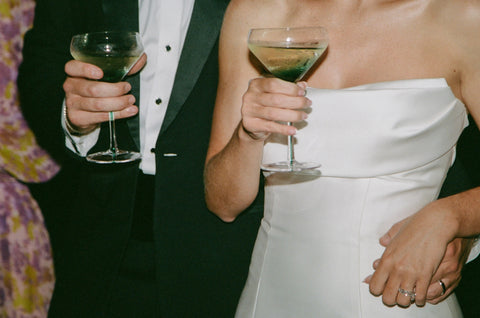


Black Tie Optional Wedding: The Essential Guest Style Guide
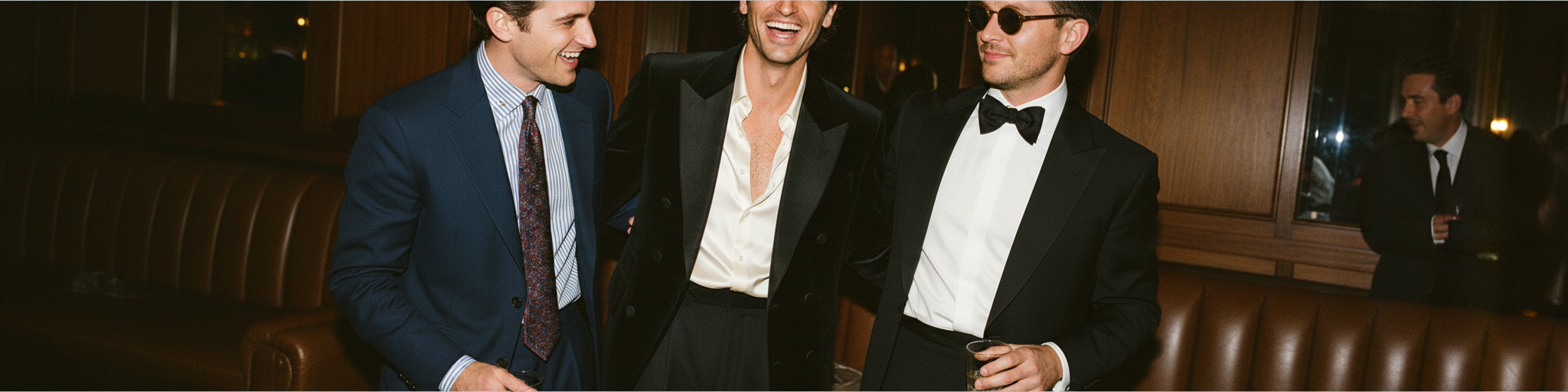
Black-tie-optional weddings give guests permission to look splendid without the stress of strict black-tie rules, and this guide walks you through every decision--tux or dark suit, gown or jumpsuit--so you arrive appropriately polished, photograph-ready, and comfortable in your own skin. Readers learn to decode the dress code's flexibility: men can rent or wear a well-cut navy or charcoal suit with refined accessories, while women may choose floor-length silk, tailored cocktail hemlines, or even a velvet pantsuit, all calibrated to season, venue, and time of day. The article demystifies fit, fabric, color, and etiquette (never white, always pressed), offers budget hacks from clearance bridesmaid dresses to $150 tux rentals, and supplies checklists that turn last-minute panic into confident style choices. By mapping out regional twists, outdoor adaptations, and finishing touches like cufflinks or statement earrings, it ensures you honor the couple's upscale vision, blend seamlessly with the wedding party's full black-tie formality, and still express your personality--proving that "optional" simply means elegant options, not excuses to underdress.
Decoding the Invitation & Dress Code Basics
Black-tie optional hands you the rare freedom to swap a tux or floor-length gown for a sharp dark suit, midi dress, or jumpsuit--so long as you keep the same polished glamour the couple envisioned for their evening celebration.
Understanding "black tie optional" for weddings
When you receive a black tie optional invitation, you're being given the gift of choice while still maintaining an elegant standard. Unlike strict black tie, which requires tuxedos for men, this dress code opens the door to dark formal suits as perfectly acceptable alternatives [1]. Here's what makes it different: tuxedos are encouraged but not mandatory - giving you the freedom to choose what works best for your style and budget [3]. For women, you'll find similar flexibility.
While floor-length gowns remain the gold standard, you're welcome to explore midi-length dresses, formal jumpsuits, or sophisticated cocktail attire [2]. The key is understanding that the couple and their wedding party will likely be dressed in full black tie, so it's thoughtful to aim for a similar level of polish [1]. You might see variations like "black-tie preferred," "black-tie invited," or "black-tie encouraged" on your invitation - these all mean the same thing. The couple envisions an elevated celebration while recognizing that formal attire requirements can be challenging for some guests [1][3].
Whether you choose to rent a tuxedo or wear your best dark suit, you'll be appropriately dressed. Time of day matters too: evening celebrations (after 6 PM) call for your most formal interpretation, while daytime events allow slightly more flexibility with colors and patterns [1].
How it differs from traditional black tie
The distinction between traditional black tie and black tie optional comes down to one fundamental difference: flexibility [3]. Traditional black tie leaves no room for interpretation - men must wear tuxedos complete with satin lapels, matching trousers with satin stripes, white formal shirts, black bow ties, and polished black dress shoes [3]. Black tie optional relaxes these requirements, welcoming dark formal suits as equally appropriate choices [1]. For women, the contrast is equally clear.
Traditional black tie demands floor-length evening gowns that fully cover the ankles [4], while black tie optional opens up a world of possibilities - from cocktail dresses to formal jumpsuits to sophisticated midi-length options [1]. You'll notice the visual difference at the event itself. Traditional black tie creates a uniform sea of tuxedos and gowns, while black tie optional produces a more varied yet equally elegant atmosphere. Picture a sophisticated mix of well-tailored tuxedos alongside impeccable dark suits - both equally at home in the setting [3].
This flexibility explains why black tie optional has become increasingly popular, especially for larger weddings with diverse guest lists. Couples can achieve the polished atmosphere they desire without requiring every guest to invest in or rent formal attire they might rarely wear [3]. It's the perfect middle ground for modern celebrations.
Why couples choose this dress code
Modern couples increasingly choose black tie optional because it strikes the perfect balance between elegance and accessibility. This growing trend reflects how today's hosts prioritize both sophistication and guest comfort - they want their celebration to feel special without creating financial stress or wardrobe anxiety for their loved ones [5]. The beauty of this dress code lies in its flexibility. Your guests can express their personal style within formal parameters, choosing between floor-length gowns, chic matching sets, or polished separates.
There's no pressure to meet rigid black tie requirements, yet everyone still looks appropriately dressed for your special day [5]. For couples planning weddings in 2025 and beyond, black tie optional acknowledges the reality of diverse guest lists. Not everyone owns formal attire, and rental costs can add up quickly - especially for out-of-town guests already investing in travel. By choosing this dress code, you're creating an inclusive atmosphere where guests can honor your celebration with appropriate formality while working with what they have or can comfortably afford [5].
The result? A cohesive, elegant aesthetic without the uniformity of strict black tie. Your wedding photos will showcase beautifully dressed guests who felt confident and comfortable - exactly the atmosphere most couples hope to create.
Quick reference guide for guests
For Women: While floor-length gowns remain the preferred choice, you have beautiful alternatives. Consider elegant cocktail dresses, formal jumpsuits, or sophisticated midi-length dresses crafted in luxe fabrics like silk, satin, or chiffon [6]. Evening celebrations call for rich, darker colors, while daytime events welcome lighter hues. Skip casual fabrics like cotton or linen, and here's a pro tip: take flash photos of light-colored outfits beforehand to ensure they won't read as white in wedding photos [7].
(For detailed styling ideas, see our Women's Styling Essentials section.) For Men: You're encouraged to wear a tuxedo, but a well-tailored dark suit (navy or charcoal) with a white dress shirt and tie makes an equally appropriate choice [6]. Whether you choose to rent a tuxedo or wear your best suit, focus on proper fit and polished details like cufflinks or a pocket square. Complete your look with polished dress shoes [8]. (Find comprehensive guidance in our Men's Styling Essentials section.) For All Guests: Let the venue and timing guide your choices - evening events demand more formal interpretations than daytime celebrations [7].
Always check the couple's wedding website for specific guidance on colors or themes. Remember, when you're unsure, it's always better to be slightly overdressed than underdressed at a black tie optional event [8]. The couple has chosen this dress code to create a sophisticated celebration, so honor their vision while selecting attire that makes you feel confident and comfortable [6].
Men's Styling Essentials
Own the room at black-tie-optional events by choosing a flawlessly tailored classic tuxedo--satin-lapel dinner jacket, matching striped trousers, white formal shirt, black bow tie, polished shoes, and refined silk-and-metal accents--or, if you're tuxedo-free, a solid dark suit in black, charcoal, or deep navy paired with a white French-cuff shirt and deep-tone silk tie.
Classic tuxedo options for black tie optional
A traditional tuxedo remains the gold standard for black tie optional events. The "optional" designation acknowledges that not everyone owns formalwear but doesn't diminish its appropriateness [9]. When choosing this route, follow all classic black tie standards without dressing elements down [9].
The proper ensemble includes a dinner jacket with satin lapels, matching trousers with satin stripes, white formal shirt, black bow tie, and polished black dress shoes [9]. Both single and double-breasted jackets work well--single-breasted styles create an elegant silhouette while double-breasted options offer slightly more formality [9]. Proper fit transcends all other considerations--a well-fitted tuxedo projects sophistication while rental pieces often compromise your appearance [9].
When selecting accessories, opt for refined classics: silk bow ties, conservative cufflinks in precious metals (silver, gold, or with subtle stones), white pocket squares, and over-the-calf black silk socks [9]. If you already own a tuxedo, black tie optional events provide perfect opportunities to wear it with confidence [9]. For those concerned about proper execution, adhere to traditional guidelines rather than attempting creative interpretations when selecting the tuxedo option.
Sharp dark suit alternatives
A well-tailored dark suit provides an elegant alternative to a tuxedo while maintaining appropriate formality. Choose black, charcoal, or deep navy suits--colors that closely approximate the formality of black formalwear [9]. Solid colors work best, though subtle patterns like a faint windowpane can be acceptable [9]. Whether single or double-breasted, ensure all garments come from the same fabric [9].
Pair with a crisp white dress shirt--ideally with French cuffs for added formality--though light blue works in a pinch [9]. For neckwear, select dark solid ties in burgundy, navy, forest green, or dark plum rather than a black bow tie, which should be reserved for actual tuxedos [9]. Smooth silk ties present the most formal option, though subtle textures like shantung silk or wool grenadine add understated interest [9]. Complete the look with black Oxford or conservative cap-toe shoes, polished to a high shine [9].
While very dark brown or oxblood shoes might work, black remains safest [9]. Remember that black tie optional doesn't mean sacrificing formality--it simply acknowledges that not everyone owns or wishes to rent a tuxedo [10]. This middle ground keeps the uniform spirit of black tie etiquette while allowing flexibility [11]. When substituting elements, maintain the black tie ethos: dark colors, simple elegance, and subtle personal touches [10].
Key accessories and finishing touches
The right accessories transform a formal outfit from appropriate to distinguished. Choose cufflinks and shirt studs in gold, silver, or with subtle stones--ideally as a matching set--and select double-sided cufflinks rather than cheaper t-bar varieties [12]. Suspenders (never belts) should be button-on with soft knitted ends, preferably in grosgrain or moiré silk to prevent waistcoats from bunching [12].
A white linen pocket square offers timeless elegance--either casually stuffed or square-folded, but never precision-folded like store displays [12]. For timepieces, select a slim, minimalist watch with a black leather band rather than flashy statement pieces, regardless of price [12]. A boutonniere (white or deep red carnation is classic) should be properly inserted through the lapel buttonhole, not pinned on top [12].
Complete the look with over-the-calf black silk socks that stay up throughout the evening, preventing the embarrassment of exposed shins when seated [12]. Remember that these finishing touches aren't mere afterthoughts--they demonstrate attention to detail and complete the refined aesthetic expected at formal celebrations.
Seasonal fabric and color tips
Select fabrics and colors based on season while maintaining black tie optional formality. For winter, velvet creates sophisticated evening looks, while summer demands lightweight wool blends that offer structure without sacrificing breathability [13]. Color choices should reflect seasonal shifts--deep green, rich aubergine, and vibrant blue work year-round while adding character to formal attire [13].
Winter welcomes darker tones and substantial textures; spring and summer permit lighter fabrics with subtle patterns. Fall accommodates warm tones like burgundy and forest green. Event timing matters too--daytime allows slightly brighter colors while evening calls for deeper shades.
Luxurious fabrics like satin, crepe, and jacquard enhance formal looks in any season, balancing elegance with personal expression [13].
Women's Styling Essentials
For black-tie-optional weddings, anchor your look in a fluid silk or velvet floor-length gown in jewel tones, or--if you skip the full length--opt for a knee-skimming crepe cocktail dress with one sharp detail like a cowl neckline, avoiding white, pastels, or bridal-party hues.
Full‑length gown choices
Floor-length gowns remain your safest and most elegant choice for black tie optional weddings. Unlike strict black tie events where full-length evening gowns that don't reveal the ankles are mandatory [1], this dress code offers flexibility while maintaining sophistication. How to choose the perfect silhouette: Match your gown to the venue and timing. Select A-line and halter styles for ballrooms or city venues, while flowing fabrics suit beach or garden locations [15].
For petite frames, choose gowns with strategic slits that elongate your silhouette without sacrificing formality [14]. Fabric selection guide: Elevate your look with luxe materials--silk, satin, crepe, and jacquard instantly communicate formality [14]. Winter weddings call for rich velvets and heavier textiles with long sleeves, while summer celebrations demand breathable, lighter-weight options [15]. Color decisions made simple: Black provides timeless elegance, but jewel tones like emerald, burgundy, and navy work beautifully year-round [15]. Steer clear of white, pastels, neon shades, and any color matching the bridal party [14].
For prints, choose muted florals or abstract patterns in sophisticated color palettes [15]. Style tip: Focus on one statement detail--asymmetrical draping, a cowl neckline, or subtle embellishments. As Vogue notes, "something in an elevated fabric, like silk or crepe, with sharp tailoring" creates the most sophisticated effect [15].
Elegant cocktail dresses, jumpsuits, and dressy separates
When floor-length isn't your preference, black tie optional weddings welcome elegant alternatives that maintain sophistication. Cocktail dress guidelines: Choose dresses that hit right above or slightly below the knee--shorter lengths cross into casual territory [16]. Elevate your cocktail dress through luxurious fabrics, intricate details, and sophisticated silhouettes [16].
Remember, black-tie doesn't demand black--any elegant color works, though black delivers guaranteed glamour [16]. Design elements that work: Look for structural details that command attention: - Corset bodices with refined tailoring - Asymmetric necklines that create visual interest - Architectural draping in high-shine satin or stretch velvet - Rich jacquard fabrics that photograph beautifully [16] Modern alternatives: Jumpsuits make a striking statement when executed in formal fabrics with tailored silhouettes. Choose wide-leg styles in crepe or satin for maximum impact.
For dressy separates, pair high-waisted evening skirts with structured tops in matching luxe fabrics--this creates a cohesive look while allowing you to customize proportions perfectly. When coordinating with a partner wearing a tuxedo or suit from The Black Tux, these contemporary options provide elegant alternatives to traditional gowns.
Tailored pantsuits and modest elegance
Tailored pantsuits offer a powerful alternative for black tie optional weddings, following the lead of style icons like Ariana Grande, Blake Lively, and Nicole Kidman who regularly choose menswear-inspired formal looks [17]. How to select a formal pantsuit: Distinguish your wedding look from office wear by choosing elevated elements: - Luxe fabrics: silk, satin, or velvet - Formal details: satin lapels, asymmetric necklines, or architectural draping - Fashion-forward styles: double-breasted tuxedo cuts, cape-sleeve variations, or pieces with feathered accents [17][18] Color guidance: While classic black always works, explore midnight blue, rich jewel tones, or even powder pink for less traditional venues [18][19]. The key is selecting colors that photograph as formal and festive rather than professional. What makes it wedding-appropriate: Focus on elements that elevate beyond everyday suiting: - Metallic finishes that catch evening light - Strategic cutouts that add intrigue while maintaining modesty - Dramatic silhouettes that command attention [17] Styling tip: Balance the structured silhouette with statement jewelry and sophisticated heels.
This creates the powerful elegance that makes pantsuits such a compelling black tie optional choice [17][19]. Consider how your look will coordinate with your date's formal attire for photos--pantsuits pair beautifully with both tuxedos and dark suits.
Jewelry, shoes and accessory guide
Master the art of accessorizing for black tie optional events with these essential guidelines. Jewelry selection strategy: Choose one statement piece as your focal point. Pair a bold necklace with a strapless gown or opt for classic diamond pendants with embellished dresses [20]. For earrings, classic studs or modest drops frame your face without competing for attention [20].
Invest in quality materials that maintain their shine throughout the evening--nothing undermines elegance like tarnished jewelry [20]. Leave smartwatches at home and select timepieces that enhance rather than distract [14]. Footwear fundamentals: - For floor-length gowns: Select heels with minimalist designs that won't snag delicate fabrics [20] - Heel height guide: Choose taller heels to prevent tripping on long hems, or opt for block/kitten heels if you plan to dance extensively [20] - Summer weddings: Well-groomed feet in elegant open-toe styles work beautifully [20] Handbag essentials: Keep it small and sophisticated. Evening clutches or wristlet pouches in satin, velvet, or silk complement without overwhelming [20].
Chain-strap options free your hands for greeting guests or holding drinks [20]. Coordinate your bag with your shoes through complementary colors or matching embellishments for a polished, cohesive look [20]. Final styling note: Black tie optional invites you to elevate your style while respecting the occasion. Choose accessories that feel special without upstaging the couple--your goal is sophisticated enhancement, not scene-stealing glamour [14].
Adapting to Time, Venue & Climate
Dress for black-tie-optional celebrations by matching fabric weight to both the season and the clock--breathe in tropical-wool or linen blends for summer sun, wrap up in wool-velvet layers for winter nights, and keep a silk shawl or fitted waistcoat ready when the venue shifts from afternoon to after-dark.
Daytime vs. evening attire strategies
The timing of your celebration dramatically influences how you'll interpret black tie optional attire. For daytime events before 5:30 pm, you can embrace a slightly softer approach while maintaining elegance.
Ladies, consider lighter color palettes--think soft pastels or subtle floral prints in breathable fabrics like cotton, linen, or chiffon [21]. Gentlemen, you'll find lighter-colored suits in
Seasonal fabrics and layering tips
Navigating seasonal variations requires strategic fabric selection while maintaining black tie optional formality. For summer events, prioritize breathable materials--tropical wool provides lightweight formality while preserving structure, making it ideal for maintaining elegance without discomfort [14]. Linen offers natural breathability but requires careful styling to prevent excessive wrinkling; consider linen blends that resist creasing while preserving the fabric's cooling properties [24]. For grooms and male guests, cotton suits present a versatile summer alternative that wicks moisture while providing a soft, comfortable texture throughout lengthy celebrations [25].
Winter demands fabrics with greater substance--wool and velvet create sophisticated evening looks while providing necessary warmth [14]. Spring and fall events benefit from transitional fabrics that balance temperature regulation with formality. For layering, women attending cooler-weather events should consider lightweight wraps in luxurious materials that complement rather than overwhelm their attire [25]. Men can add sophistication through strategic layering--a properly fitted waistcoat adds warmth without bulk for fall or spring weddings [24].
For summer events, consider scheduling concerns--if attending both daytime and evening portions, opt for breathable base layers that can transition when temperatures drop after sunset [14]. The key is selecting fabrics appropriate to both the formality and the forecast: lightweight silks, crepes, and fine cotton blends for warmer months; substantial satins, velvets, and wool for cooler seasons [25].
Venue‑specific guidance (beach, ballroom, garden, rooftop)
Venue dramatically impacts how to interpret black tie optional attire while maintaining appropriate formality. For beach weddings, adapt traditional formal elements to suit the setting--men can wear linen or tropical wool suits in navy or black instead of heavy tuxedos, and women should consider floor-length gowns in lightweight fabrics that won't trap sand [14]. If the ceremony takes place directly on sand, opt for formal sandals or shoes you can easily remove rather than stilettos that sink [22]. Ballroom venues call for the most traditional interpretation of black tie optional--men should lean toward tuxedos or their darkest suits, while women should choose floor-length gowns in luxe fabrics [14].
These controlled indoor environments allow for the most formal interpretation of the dress code without practical constraints. Garden settings require balancing elegance with practicality--choose breathable fabrics in darker colors that won't show grass stains, and select block heels or formal flats that won't sink into soil [22]. Women might consider tea-length formal dresses rather than full floor-length gowns that could collect debris [26]. Rooftop venues demand weather-appropriate modifications--be prepared for wind by selecting heavier fabrics that won't billow and securing hairstyles accordingly.
For all outdoor venues, consider temperature fluctuations and bring appropriate formal layers like structured jackets or elegant wraps that complement rather than detract from your outfit [22]. Remember that venue-specific adaptations shouldn't compromise the formal nature of black tie optional--instead, make practical adjustments while maintaining the sophisticated aesthetic the couple has requested [14].
Regional and cultural nuances
Black tie optional interpretations vary significantly across different regions and cultural contexts. In the Mountain West, particularly for welcome parties, rehearsal dinners, and outdoor weddings, you might encounter "Western Chic" or "Mountain Chic" dress codes that blend rustic elements with formal styling [27]. For men, this means tailored jeans or chinos with stylish western shirts, leather boots, and possibly suede or leather accents, while women might wear feminine dresses paired with stylish boots and accessories like turquoise jewelry [27].
This regional variation maintains formality while acknowledging local traditions. Beyond geography, 2024 wedding trends show couples increasingly using dress codes to invite guests to participate in the celebration through fashion, creating opportunities for cultural expression within formal parameters [26]. Cultural attire that honors traditions or heritage is generally welcomed at black tie optional events, provided it aligns with the overall formality level [27].
When traveling to different regions for weddings, consult the couple's wedding website for specific guidance, as they may include details about local expectations or family coordination [27]. Remember that black tie can be adapted to fit events in any season or setting while maintaining its essential formality--the key is understanding how local interpretations might affect specific elements like fabrics, colors, or accessories [26]. These nuances create opportunities for personal expression that respect both the formality of black tie optional and the regional or cultural context of the celebration [27].
Practical Decisions & Etiquette
Honor the couple's "black-tie optional" vision by choosing luxe, well-fitted dark formalwear--never white-adjacent hues--and decide whether to rent (≈$150, quick but limited tailoring) or buy (≈$300+, fully custom) based on how many formal events you'll attend.
Do's and don'ts for black tie optional weddings
Navigating black tie optional etiquette becomes straightforward when you understand the essential guidelines. As we've covered in the styling essentials sections, both men and women have elegant options that honor the dress code while maintaining personal comfort. Key Do's: Match the formality of the wedding party, who will likely be in full black tie [1]. Choose sophisticated dark colors and luxe fabrics.
Ensure proper fit and finishing--wrinkled or ill-fitting formal wear undermines any outfit regardless of cost. For timing considerations, refer to our daytime versus evening strategies for specific guidance. Critical Don'ts: Never wear anything that could photograph as white, including champagne, ivory, or cream shades [1]. Avoid overly casual fabrics, short hemlines, or attention-grabbing patterns that might detract from the couple's celebration.
Skip anything too revealing or trendy that sacrifices sophistication for fashion. Remember: when the couple chooses black tie optional, they're graciously offering flexibility while still preferring elevated attire. Your goal is reflecting their vision through polished, appropriate choices.
Renting versus buying your outfit
Making the smart choice between renting and purchasing formal attire requires weighing several key factors beyond initial cost. While rentals average around $150 compared to $300+ for purchasing quality formalwear, the economics shift after attending just two formal events [28]. Fit and Customization: The most significant difference lies in tailoring options.
Rental alterations typically limit you to basic hem and sleeve adjustments, while purchased garments allow comprehensive customization for your exact measurements [29]. For those with athletic builds, longer torsos, or sizes outside standard ranges, buying and tailoring delivers superior results [28]. Timeline and Convenience: Consider your preparation style--rentals arrive days before your event, while purchases give you weeks for fittings and adjustments [29].
Modern rental services like
Budget‑friendly tips and last‑minute solutions
Creating an elegant black tie optional look doesn't demand a luxury budget. These strategic approaches help you achieve sophistication while protecting your finances. Start with What You Own: Before shopping, audit your closet thoroughly.
That bridesmaid dress or formal suit from previous events becomes fresh with updated accessories--a new pocket square, statement jewelry, or elegant wrap can transform familiar pieces [30]. Smart Shopping Strategies: - Time purchases around post-prom and post-holiday clearances for dramatic markdowns [31] - Explore bridesmaid collections year-round for formal options under $100 [32] - Check department store clearance sections where designer gowns often drop to $50-100 [31] - For men, complete tuxedo rental packages run approximately $150, including all accessories [30] Accessory Economics: One savvy wedding guest assembled her entire accessory collection for under $40--a $12 clutch and $26 statement necklace that garnered numerous compliments [30]. Focus budget on one standout piece rather than multiple mediocre options. Last-Minute Solutions: - For destination weddings, rental services deliver directly to hotels, eliminating luggage concerns [31] - Many formal wear retailers offer rush delivery and expedited alterations - Floor-length gowns hide footwear, allowing you to wear comfortable shoes you already own [31] - Classic colors and timeless silhouettes ensure your investment works for multiple events [31] Remember: confidence and proper fit matter more than price tags.
A well-fitted rental or thoughtfully styled budget find often receives more compliments than expensive ill-fitting options.
Confirming your look with the couple
Smart guests verify their outfit choices through available resources before the big day. Here's how to ensure your attire aligns perfectly with the couple's vision. Check Digital Resources First: Modern couples often create comprehensive wedding websites with detailed dress code guidance beyond invitation constraints [34].
Look for dedicated attire pages, FAQ sections, and venue photos that reveal the setting's formality level. These resources typically address common questions about colors, themes, or venue-specific considerations [1]. Decode the Terminology: Whether the invitation reads "black-tie optional," "black-tie preferred," "black-tie invited," or "black-tie encouraged," all indicate the same formality level--the couple desires elevated attire while acknowledging not everyone owns formalwear [1]. Strategic Clarification: When uncertainty persists after checking available resources: - Contact a wedding party member rather than the busy couple [33] - Reference our venue-specific and seasonal guides for additional context - Consider the reception timing--evening events call for more formal interpretations [1] - Review any shared venue photos to gauge appropriate attire The Golden Rule: Remember that the wedding party will likely wear full black tie.
Matching their formality level shows respect for their celebration and ensures you'll feel comfortable in group photos [1]. When in doubt, choose the more formal option--you'll never regret looking polished at a special celebration.
Putting It All Together - Outfit Planning Checklist
Use the streamlined checklist--venue, timing, tux-versus-suit decision, jewel-tone palette, and flawless fit--to turn black-tie-optional into a confident, celebration-ready look that respects the couple yet showcases you.
Step‑by‑step styling checklist
Transform your black tie optional outfit from appropriate to exceptional with this streamlined checklist. Start by confirming the event timing and venue--as detailed in "Daytime vs. evening attire strategies" earlier, these factors significantly impact your choices. For men, decide between a tuxedo (see "Classic tuxedo options") or dark suit (refer to "Sharp dark suit alternatives").
Quick decision guide: Choose a tuxedo if you own one or the venue is particularly upscale; opt for your best dark suit otherwise [1]. For women, select from floor-length gowns, elegant midi dresses, or sophisticated alternatives as covered in the Women's Styling Essentials section. Color selection remains simple: jewel tones and dark hues for evening, slightly lighter options for daytime (but never white or champagne) [1].
Complete your look with carefully chosen accessories--refer to the detailed accessory guides in earlier sections for specific recommendations. Final check: Does your outfit respect the couple's vision while allowing you to feel confident? If yes, you're ready to celebrate in style [35].
Sample outfit ideas for men
Ready-to-wear outfit combinations that honor black tie optional while showcasing personal style. Classic Tuxedo: Black or midnight blue tuxedo, white formal shirt, black bow tie, patent leather shoes--the gold standard covered in detail in our Men's Styling Essentials section [9]. Sophisticated Dark Suit: Charcoal or navy suit, white French-cuffed shirt, burgundy or forest green silk tie, black Oxfords, white pocket square--perfect for those preferring suits over tuxedos [9]. Modern Formal: Double-breasted navy suit, light blue dress shirt, coordinating tie, silver cufflinks--adds contemporary flair while maintaining formality [9].
For all options, remember the accessories detailed earlier: proper socks, refined cufflinks, and potentially a boutonniere.
Most importantly, ensure impeccable fit--whether you're wearing a
Sample outfit ideas for women
Curated outfit formulas that balance black tie optional elegance with personal expression. Timeless Glamour: Floor-length gown in black or jewel tones, statement jewelry, strappy heels--see our "Full-length gown choices" section for silhouette guidance [14]. Modern Sophistication: Midi-length dress in luxe fabric, metallic accessories, elegant clutch--perfect when floor-length feels too formal [14]. Contemporary Alternative: Tailored jumpsuit or pantsuit in elevated materials, bold earrings, sleek pumps--refer to "Tailored pantsuits and modest elegance" for styling tips [15]. Seasonal Elegance: Adapt any option with appropriate fabrics as detailed in our seasonal guidance--velvet for winter, chiffon for summer [15].
For all choices, remember the accessory principles covered earlier: one statement piece, refined footwear, and a small evening bag.
Consider venue-specific modifications from Section 4 when finalizing your look [26].
Pro tips from The Black Tux stylists
Our stylists at The Black Tux have perfected the art of black tie optional dressing through thousands of client fittings. Their essential wisdom: someone else's wedding isn't the time for experimental fashion--stick to classic choices that photograph beautifully.
When selecting between a tuxedo and suit, quality navy suits in fine wool actually create a more sophisticated impression than black suits, which can appear stark in photos. If choosing a tuxedo, commit fully to traditional standards--our
Conclusion & Confidence Boost
Embracing elegance at a black tie optional wedding
Black tie optional weddings offer the perfect opportunity to showcase your most sophisticated style while enjoying the flexibility to work within your wardrobe. As discussed throughout this guide, the key is understanding that "optional" doesn't mean casual--it means choice within formal parameters [38].
The couple has selected this dress code to create an elegant atmosphere that welcomes both traditional formalwear and polished alternatives. Your goal is simple: honor their vision by presenting yourself at your formal best, whether that means embracing full black tie or selecting from the sophisticated alternatives we've outlined.
Remember, confidence comes from knowing you've made appropriate choices that respect both the occasion and your personal style.
Final quick tips for a polished look
Before stepping out, run through this final checklist to ensure your black tie optional look is impeccable. First, check that every element is pristine--pressed garments, polished shoes, and properly finished hems make the difference between looking formal and looking formally dressed [39]. Pay special attention to fit; even the most expensive outfit loses impact if it doesn't flatter your silhouette properly.
For finishing touches that elevate your entire look: ensure your grooming is as polished as your outfit, from manicured nails to styled hair. Black tie optional events invite you to present your most refined self, so consider professional hair styling or makeup application if it's within your budget [39]. Remember the power of restraint--one statement accessory creates more impact than multiple competing pieces.
Finally, take a full-length photo in natural and flash lighting to ensure your outfit photographs well and maintains appropriate formality from every angle. When you look in the mirror and feel confidently elegant, you've achieved the perfect black tie optional look.
Where to find perfect pieces on theblacktux.com
For black tie optional weddings, The Black Tux revolutionizes the formalwear experience with modern styles, exceptional quality, and unmatched convenience. Whether you prefer to rent or purchase your formal attire, our curated collection ensures you'll find the perfect look for any wedding setting. What sets The Black Tux apart is our commitment to the perfect fit--guaranteed.
With our innovative home try-on program, you can test your look in advance, ensuring confidence on the big day. For those who prefer in-person service, visit one of our showrooms nationwide for expert styling advice and professional fittings. Our collection spans from classic black tuxedos to contemporary midnight blue options, sophisticated navy suits, and all the refined accessories needed to complete your black tie optional look.
Every piece reflects our dedication to quality and style, helping you honor the dress code while expressing your personal aesthetic. Ready to elevate your formal wardrobe? Explore our collections and discover why modern gentlemen choose The Black Tux for life's most important celebrations.
- Tuxedos encouraged but dark formal suits are equally acceptable for men.
- Floor-length gowns preferred; midi dresses, jumpsuits, or cocktail dresses also allowed.
- Evening events (after 6 PM) require darker, more formal interpretations.
- Never wear white or champagne shades to avoid clashing with the bride.
- When unsure, choose the more formal option to match the wedding party's attire.
- Fit matters most--well-tailored budget outfits outshine ill-fitting expensive ones.
- Check the couple's wedding website for venue or theme-specific color guidance.
- https://www.theknot.com/content/what-to-wear-formal-black-tie-optional-black-tie-invited
- https://www.adriannapapell.com/blogs/wedding-planning/black-tie-optional-wedding-attire?srsltid=AfmBOoqZRl0wFV6nlAoQjUZ3EJOL7U1KyrBJ0AYZmLLAQXmJjvcpkICA
- https://www.tuxedobysarno.com/black-tie-optional/
- https://www.brides.com/story/wedding-dress-code-explained
- https://us.princesspolly.com/blogs/princess-polly-blog/black-tie-optional-wedding-guest-everything-you-need-to-know?srsltid=AfmBOop6sVpZzn9olVV8tCo724nDnfdehSTd1S3yVyI7H6c5ya16FS4a
- https://withjoy.com/blog/wedding-dress-codes-deciphered/?srsltid=AfmBOop0mx23gAltoaFHXnT_AWXwNQvfeohmeh0DbgCmkj5zLM5sutnv
- https://www.thecut.com/article/wedding-dress-codes-explained.html
- https://rtrshift.com/wedding-guest-outfits/
- https://www.gentlemansgazette.com/tuxedo-black-tie-guide/etiquette/black-tie-optional-dress-code/
- https://hespokestyle.com/alternative-black-tie-optional/?srsltid=AfmBOorsHJWK-xypqioAUYSDENFTazdYhn1H3Pku_E3OO5zUdeAwHNsh
- https://www.oliverwicks.com/article/black-tie-optional?srsltid=AfmBOoo7gFwYW_4hlBCL1YQFt0SSBGQYcAn3arIH5DEkUKdCV9WRGaWJ
- https://www.gentlemansgazette.com/tuxedo-black-tie-guide/classic/tuxedo-accessories-cufflinks-studs/
- https://www.theknot.com/content/wedding-dress-code-for-guys
- https://www.brides.com/black-tie-optional-wedding-attire-4800698
- https://www.vogue.com/slideshow/black-tie-wedding-guest-dresses
- https://www.anthropologie.com/black-tie-wedding-guest-dresses
- https://www.theknot.com/content/where-to-buy-womens-suits
- https://www.couturecandy.com/collections/formal-pantsuits?srsltid=AfmBOopQzsvf01u_Hj9qOgA-4ZLXtiYvi7C_5c97RCa73bVZiOSedsT0
- https://www.karenmillen.com/us/categories/womens-occasion-wedding-wedding-guest-suits
- https://www.charleskeith.com/us/guides/what-to-wear-to-black-tie-wedding.html
- https://www.vogue.com/article/wedding-dress-codes
- https://www.theknot.com/content/wedding-guest-attire-cheat-sheet
- https://bellabridesmaids.com/blogs/bridesmaids-buzz/black-tie-wedding-attire?srsltid=AfmBOop-BhGSWHhft18fUjIHbS9Rj5zeXTEF9zqaTpZcewzxJw7sANzn
- https://ahandtailoredsuit.com/blogs/off-the-cuff/what-to-wear-to-a-summer-wedding-lightweight-fabrics-smart-styling
- https://www.themansionml.com/summerweddings/
- https://www.100layercake.com/2024/05/06/what-to-wear-to-a-black-tie-optional-wedding/
- https://www.michelleleoevents.com/blog/wedding-dress-code-guide
- https://www.weddingwire.com/wedding-ideas/renting-vs-buying-your-wedding-tuxedo
- https://madeleinesdaughter.com/blog/renting-vs-purchasing-your-wedding-tux-beyond-the-price-tag
- https://www.financialsamurai.com/how-to-dress-well-on-the-cheap-for-a-black-tie-wedding/
- https://corporette.com/how-to-do-black-tie-on-the-cheap/
- https://www.theknot.com/content/affordable-wedding-guest-dresses
- https://curatedevents.com/blog/what-does-black-tie-optional-mean/
- https://www.theknot.com/content/wedding-website-dress-code
- https://www.dariannabridal.com/blog/black-tie-optional-dress-code/
- https://www.reddit.com/r/mensfashionadvice/comments/1q6x4oh/black_tie_optional_wedding/
- https://www.oliverwicks.com/article/black-tie-optional?srsltid=AfmBOorgVgNKVLImiaH-vHfzDIILT1IO6l83tEkjnLNGaBcHPIBlUX-4
- https://www.beaumontetiquette.com/post/the-etiquette-guide-for-black-tie-dress-code
- https://www.zola.com/expert-advice/what-to-wear-and-not-wear-to-a-black-tie-wedding
- https://www.reddit.com/r/Weddingattireapproval/comments/1luyha4/obligated_to_rent_tux_for_black_tie_preferred/


