

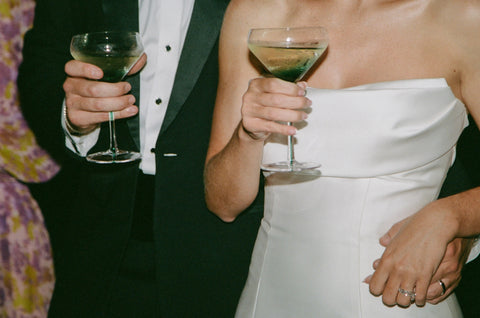


The Ultimate Guide to Formal Attire for Men: Styling Tips

This comprehensive guide explores everything you need to know about formal attire for men, from understanding dress codes to mastering the art of styling. Learn the critical distinctions between various levels of formality, essential components of formal wear, proper accessorizing techniques, and how to adapt your formal wardrobe for different occasions and seasons. Whether you're preparing for a black-tie gala or a business formal meeting, this guide provides practical advice on achieving impeccable style while maintaining comfort and confidence.
Introduction
The Significance of Formal Attire in a Modern Man's Wardrobe
Formal attire remains a powerful tool for making lasting impressions and projecting competence in professional settings. When you dress well, you naturally carry yourself with more confidence - standing taller, speaking more assertively, and engaging more openly with others. This enhanced self-assurance directly impacts how people perceive and interact with you. A well-fitted suit or formal ensemble does more than just look good - it boosts productivity and mental wellbeing by serving as a form of self-care that says 'I'm worth the effort.' In the workplace, formal dress communicates respect for your position and readiness for greater responsibilities, potentially influencing decisions about promotions and assignments. Even in social settings, proper formal attire commands attention and respect before you speak a word, demonstrating both self-respect and cultural awareness. The key is choosing attire that fits impeccably, suits the occasion, and reflects your personal style - whether it's a classic black tie ensemble for an evening gala or a tailored suit for an important business meeting.
What This Guide Will Help You Accomplish
This guide will help you navigate the often confusing world of formal dress codes with confidence. You'll learn to decode everything from business formal to white tie, understanding the critical distinctions that determine appropriate attire for each occasion. Rather than viewing formal dress requirements as intimidating tests, you'll discover how they actually simplify decision-making and help create memorable moments. The guide breaks down the core components of formal attire, teaching you to select and coordinate suits, shirts, neckwear, and accessories while avoiding common styling mistakes. Most importantly, you'll gain the knowledge to honor dress codes appropriately - a gesture that shows respect for both hosts and fellow guests while ensuring you look your absolute best.
Understanding Formal Dress Codes
Black tie brings us to the realm of true evening elegance, centered on the tuxedo with its distinctive satin details and traditional accessories.
The Formal Attire Spectrum: From Business Formal to White Tie
Understanding the formality spectrum in menswear empowers you to make confident choices for any occasion. At the foundation, you'll find business casual - think sport coats paired with dress shirts and khakis, perfect for modern office environments that balance professionalism with comfort [5]. As you move up the ladder, business formal introduces the matched suit, where darker colors and refined fabrics communicate increased sophistication and readiness for important meetings [6]. Semi-formal attire bridges the gap perfectly, offering more polish than business wear while remaining less rigid than black tie - your go-to choice would be a dark suit for evening events [6]. Black tie brings us to the realm of true evening elegance, centered on the tuxedo with its distinctive satin details and traditional accessories like bow ties and patent leather shoes [6]. At the apex of formality, white tie demands the ultimate in ceremonial dress - think state dinners and royal occasions where tailcoats and white waistcoats set the standard [6]. Your key to mastering this spectrum? Remember that smoother fabrics, darker colors, and more structured silhouettes signal higher formality, while textured materials and lighter shades keep things appropriately casual [5].
Black Tie vs. Formal Attire: Critical Distinctions
Let's clear up the confusion between black tie and formal attire once and for all. Black tie follows a specific blueprint centered on the tuxedo - you'll need a dinner jacket with silk lapels, matching trousers with satin stripes, a white dress shirt with French cuffs, black bow tie, and patent leather shoes. This dress code is strictly reserved for evening events after 6 PM and represents one of the most codified forms of menswear. Formal attire, on the other hand, offers more flexibility and can range from dark business suits for daytime events to full tuxedos for evening occasions. The critical distinction lies in specificity: black tie demands exact adherence to traditional elements, while formal attire allows for interpretation based on time, venue, and context. When an invitation says 'black tie,' there's no room for creativity with your foundation pieces - save personal expression for subtle details like cufflinks or pocket squares. But when it says 'formal,' you have latitude to choose between a sophisticated suit or tuxedo based on the event's timing and nature.
Contemporary Interpretations of Traditional Formal Codes
Today's formal dress codes welcome personal style while honoring timeless elegance. Though the foundation of formal wear has remained consistent for over a century, you now have more freedom to make it your own [9]. Want to stand out at your next event? Consider a velvet dinner jacket or subtly flared trousers that nod to '70s sophistication - the key is choosing one standout element while keeping the rest of your look classically refined [10]. This evolution in formal wear reflects our changing world, where designers and wearers alike embrace more diverse and personal interpretations of elegance [11]. Yet some principles never go out of style: darker colors and luxurious fabrics continue to signal formality, while impeccable fit and thoughtful details show your respect for the occasion [9]. The modern gentleman's approach to formal wear isn't about following every rule to the letter - it's about understanding how to express your personality while making everyone around you feel comfortable and celebrated [11].
Core Components of Formal Attire
The defining feature of a tuxedo is satin detailing - tuxedos showcase satin on the lapels, buttons, and a sleek stripe running down each trouser leg.
Suits vs. Tuxedos: When to Wear Each and Key Differences
Understanding when to choose a suit versus a tuxedo can feel overwhelming, but the distinction is actually quite straightforward. The defining feature? Satin detailing. Tuxedos showcase satin on the lapels, buttons, and a sleek stripe running down each trouser leg, while suits maintain uniform fabric throughout [12].
Here's how to make the right choice: If you're heading to an evening black-tie event, you'll need a tuxedo—it's non-negotiable. The elevated formality of these refined details, including trousers without belt loops (designed for suspenders or side adjusters), makes tuxedos the gold standard for formal evening occasions [13]. For everything else—from important business meetings to cocktail parties—a well-fitted suit offers the versatility you need [12].
Think of it this way: timing and dress code guide your decision. Daytime events almost always call for suits, while evening formal occasions may require the sophistication of a tuxedo [14]. When you're unsure, check the invitation carefully - 'black tie' means tuxedo, while 'cocktail attire' or 'business formal' indicates a suit is appropriate.
Formal Shirts: Materials, Styles, and Fit Guidelines
Your formal shirt sets the foundation for your entire look—get this right, and everything else falls into place. Start with fabric selection: light to medium-weight cotton works beautifully for most occasions, offering both comfort and refinement. Planning to attend a summer wedding or outdoor gala? Consider linen for its superior breathability [15].
Getting the perfect fit requires knowing your measurements. Here's your quick reference guide:
- Small: 14-14.5" neck, 32-33" sleeves
- Medium: 15-15.5" neck, 33-34" sleeves
- Large: 16-16.5" neck, 34-35" sleeves [16]
To test whether a shirt fits properly, try this simple movement check: raise your arms, sit down, stand up. You shouldn't feel restricted, but there shouldn't be excess fabric billowing around you either [16]. The shirt should rest comfortably on your chest when unbuttoned while staying close to your body.
When selecting a fit style, consider your build and comfort preferences:
- Classic fit: Traditional cut with generous room—ideal for comfort-first dressing
- Modern fit: Trimmer silhouette that flatters without restricting movement
- Slim fit: Tailored for athletic builds who want a closer cut
- Skinny fit: Best suited for lean frames seeking a contemporary look [16]
Pro tip: Quality shows in the details. Look for high stitch density near the edges—it's a sign of superior construction that translates to better drape and increased formality [15].
Neckwear Options: Bow Ties, Neckties, and Proper Selection
Your choice of neckwear can make or break your formal look—it's that important. Let's break down when to reach for each option.
Neckties: Your Versatile Go-To
Perfect for business meetings, cocktail parties, and most daytime events, neckties offer flexibility in both style and formality. Master these essential knots:
- Windsor: Commands authority in boardrooms and important presentations
- Half-Windsor: Your reliable choice for everyday business wear
- Four-in-Hand: Adds a touch of casual sophistication [17]
The elongated silhouette of a necktie creates a slimming effect that works particularly well with modern suit cuts.
Bow Ties: When Tradition Meets Style
Once confined to black-tie events and professor stereotypes, bow ties have evolved into confident style statements. Here's what you need to know:
- For black-tie galas, they're mandatory—no exceptions
- Pre-tied versions save time and stress (we won't tell if you don't)
- Self-tied options showcase your sartorial skills at formal events
- Bonus: they stay neat all evening and resist wrinkles better than neckties [17]
Making the Right Choice
As discussed in our dress codes section, black-tie events require bow ties, while business settings typically call for neckties [18]. When in doubt, consider the venue and timing—evening formals lean toward bow ties, daytime events favor neckties.
While alternatives like cravats and ascots exist, they're best reserved for themed events or when you're channeling your inner Downton Abbey character [18].
Formal Footwear: Oxford Shoes, Patent Leather, and Alternatives
When it comes to formal footwear, Oxford shoes reign supreme—and for good reason. Their sleek, closed-lacing system creates the refined silhouette that formal occasions demand.
For Black-Tie Events
Patent leather Oxfords are your only choice here. Skip anything with decorative elements like cap toes or broguing—the cleaner the design, the more formal the shoe [20]. Pro tip: swap your regular laces for wider evening shoelaces that complement your bow tie. It's a small detail that shows you understand the nuances of formal dressing [20].
For Other Formal Occasions
Well-polished calfskin Oxfords work beautifully for business formal events and daytime weddings. While technically less formal than patent leather, they offer more versatility for your wardrobe [19].
Modern Alternatives
If you're looking for something beyond traditional Oxfords, consider patent leather Venetian loafers. They maintain formal standards while offering slip-on convenience—perfect for events where you'll be on your feet all evening [19].
Common Mistakes to Avoid
- Derby shoes (their open lacing is too casual)
- Brogues or wingtips (decorative perforations reduce formality)
- Any shoe with excessive detailing or contrasting colors [21]
Remember: as we'll discuss in the gala events section, your shoes should enhance your ensemble, not distract from it. When in doubt, simpler is always more sophisticated.
Essential Formal Accessories
Coordinate, don't match - when you directly match your pocket square to your tie, you create a horizontal line that draws attention away from your face.
Pocket Square Coordination
Mastering pocket square coordination is about understanding a few key principles that will elevate your formal look. The golden rule? Coordinate, don't match. When you directly match your pocket square to your tie, you create a horizontal line across your chest that draws attention away from your face - not the sophisticated look you're aiming for.
Instead, think of your pocket square as a complement to your ensemble. If you're wearing a striped tie, try a pocket square with a different pattern scale - perhaps a subtle plaid or solid color pulled from one of the tie's hues. For those ready to experiment with color theory, consider this: if your tie features red and blue, a purple pocket square creates a harmonious blend since purple combines both colors.
For maximum versatility in your formal wardrobe, we recommend keeping at least one crisp white pocket square on hand. It's the Swiss Army knife of formal accessories - appropriate for every occasion from black-tie galas to business meetings. When you're working with patterns, remember the scale variation principle: multiple patterns can work together beautifully as long as they differ in size. A large-scale check pattern pairs wonderfully with a small polka dot, for instance.
The goal is to create visual interest while maintaining sophistication. Your pocket square should enhance your overall appearance with just enough contrast to show you've put thought into your look.
Cufflinks, Watches, and Subtle Statement Pieces
When it comes to formal accessories, your watch sets the tone for your entire look. For black-tie events, keep it simple and elegant - a slim dress watch with a black leather strap complements your tuxedo without competing for attention. Save your metal bracelet watches for business settings where they add a professional edge to your suit.
Cufflinks offer another opportunity to showcase your style while maintaining formality. Bullet back and whale back styles provide easy functionality for those new to formal dressing, while chain link versions offer a classic look with flexible fit. For maximum impact, choose designs in precious metals with clean, simple lines - think polished silver or gold rather than novelty shapes.
Here's a pro tip for coordinating your metals: consistency is key. If you're wearing silver cufflinks, pair them with a silver-toned watch and belt buckle for a cohesive look. The only exceptions to this rule? Your wedding band and family heirlooms - their sentimental value always takes precedence over perfect matching.
For those looking to add personality within formal dress codes, consider subtle statement pieces. A tasteful lapel pin can showcase affiliations or interests, while a signet or class ring adds personal meaning without overwhelming your look. In conservative business environments, it's best to stick with traditional choices: a quality watch, elegant cufflinks, and your wedding band create a polished, professional appearance that commands respect.
Vests, Cummerbunds, and Suspenders: Proper Application
As covered in the Core Components section, vests and cummerbunds play essential roles in completing your formal look. When you're assembling your black-tie ensemble through The Black Tux, our style experts can help you choose between these classic options based on your body type, personal preference, and event details. Whether you prefer the traditional elegance of a low-cut vest or the streamlined silhouette of a cummerbund, the key is ensuring proper fit and coordination with your bow tie - typically in matching black or midnight blue.
Outerwear & Overcoats
Your formal outerwear serves as both protection and the first impression you make at any event. For black-tie occasions, nothing beats a classic double-breasted overcoat in black, dark blue, or oxford gray. The knee-length cut and optional velvet collar create an elegant silhouette that complements your tuxedo perfectly.
If you're a frequent attendee of formal events, consider investing in a dedicated evening overcoat. Look for silk-faced peaked lapels that echo your dinner jacket's refinement, or opt for a single-breasted style with satin details for a sleek alternative. These pieces transform arrival and departure into part of your sophisticated presentation.
When it comes to cold-weather accessories, choose pieces that enhance rather than detract from your formal ensemble. A white silk scarf adds warmth with panache, while proper evening gloves should be white or off-white chamois - never black, which actually diminishes the formality of your look. Remember, your outerwear should protect your carefully chosen attire while maintaining its refined character. Save the trench coats and casual overcoats for other occasions - formal events call for pieces that match the elegance of what lies beneath.
Styling Formal Attire for Specific Occasions
Black-tie weddings require the full elegance of a classic black tuxedo paired with a proper bow tie, white dress shirt, and patent leather shoes.
Wedding Formality: From Daytime Ceremonies to Black-Tie Receptions
Navigating wedding dress codes doesn't have to be complicated. Here's how to ensure you look your best at any wedding celebration. For daytime ceremonies, you'll want to choose suits in lighter colors with coordinating ties, while evening events call for the sophistication of darker, more formal attire. Black-tie weddings require the full elegance of a classic black tuxedo paired with a proper bow tie, white dress shirt, and patent leather shoes. If you're attending multiple weddings this season, renting your formal wear ensures you always have the perfect ensemble without the commitment of purchasing multiple outfits.
Corporate Events and Business Formal Settings
Understanding corporate dress codes helps you make the right impression at every professional event. Business formal attire - reserved for high-stakes meetings and corporate galas - calls for dark, impeccably tailored suits paired with crisp white shirts and conservative ties. The key to nailing this look lies in the details: ensure your suit fits perfectly through the shoulders and chest, your shirt cuffs peek out exactly a quarter inch from your jacket sleeves, and your tie complements rather than competes with your ensemble.
Business professional settings offer more flexibility while maintaining a polished appearance. Here, you can incorporate lighter suit colors like grey or tan, and experiment with subtle patterns in your tie selection. Business casual strikes an ideal balance - dress trousers or chinos paired with quality collared shirts create a refined yet approachable look. Smart casual environments give you the most room to express personal style, allowing dark jeans with fitted polos or crisp button-downs.
Remember that proper fit transforms any outfit from adequate to exceptional. Well-tailored garments create clean silhouettes that communicate attention to detail and professional competence. Stick with classic neutrals like navy, charcoal, and black to convey authority, and let your accessories - a quality watch, subtle tie pattern, or polished leather shoes - add personality without overwhelming your professional presentation.
Gala Events, Charity Functions, and Evening Celebrations
Gala events and charity functions represent the pinnacle of formal occasions, where impeccable presentation matters most. For traditional gala dinners, you'll need a black or midnight blue tuxedo with silk lapels, paired with a formal white dress shirt featuring a marcella bib and French cuffs. Complete the ensemble with either a black cummerbund or formal waistcoat - both create an elegant silhouette, though the cummerbund offers better comfort during long evenings of dining and dancing. Your footwear should be patent leather Oxfords or highly polished calfskin alternatives that gleam under ballroom lights.
Many charity functions now specify 'Creative Black Tie,' which opens exciting possibilities for personal expression. Consider a velvet dinner jacket in deep burgundy or midnight blue, or add personality through unique cufflinks or a subtly patterned bow tie. These thoughtful touches show you understand both tradition and contemporary style. As covered in our section on "Black Tie vs. Formal Attire," the key lies in respecting the fundamental elements while adding your own sophisticated flair.
Every detail counts at these prestigious events. Your bow tie should be hand-tied silk that matches your jacket's lapel facings, and cufflinks should remain classic - think precious metals or mother-of-pearl. A slim dress watch with a black leather strap adds the perfect finishing touch. Most importantly, ensure your grooming matches your attire's sophistication with a fresh haircut and meticulous attention to detail.
Seasonal Considerations: Summer Formal vs. Winter Formal Adaptations
Dressing formally doesn't mean sacrificing comfort - it's all about choosing the right fabrics and styles for the season. For summer events, embrace lightweight materials that keep you cool while looking sharp. Linen suits offer unbeatable breathability for outdoor weddings, though they do wrinkle more easily. Cotton and seersucker provide excellent alternatives, promoting airflow while maintaining a crisp appearance. When temperatures climb above 90 degrees, look for unlined or half-lined jackets that allow better ventilation. Light colors like soft gray, tan, and even pale blue reflect heat while photographing beautifully at daytime events.
Winter formal occasions call for richer fabrics that provide both warmth and sophistication. Wool remains the gold standard, offering natural insulation without bulk. Tweed and flannel add wonderful textural interest - perfect for holiday galas or winter weddings. These heavier materials also hold their shape better throughout long events. Embrace the season with deeper colors: charcoal gray, midnight blue, and rich burgundy create an appropriately formal atmosphere while complementing winter's natural palette.
For maximum versatility across seasons, tropical weight wool deserves a place in every formal wardrobe. This remarkable fabric breathes well enough for summer events while providing sufficient structure for cooler weather when paired with appropriate layers. Whether you're attending events year-round or planning for destination celebrations, understanding seasonal fabric choices ensures you'll always look polished and feel comfortable.
Perfecting Your Formal Look
Proper fit starts with the collar and shoulders - these foundational elements are hardest to alter later.
The Art of Proper Fit: Tailoring Essentials for Every Body Type
Proper fit starts with the collar and shoulders - these foundational elements are hardest to alter later. The collar should sit snugly against your neck without gaps or rolls, while shoulders need to transition smoothly from the top plane down to the sleeve without creating divots or tension [41]. For broader builds, consider a larger shoulder measurement to avoid divots, while slimmer frames require shoulders that don't appear loose [42]. The chest and lapels demand equal attention - they should feel snug but not tight, with lapels lying flat against the chest without gaping [42]. For the jacket waist, you should comfortably fit three fingers inside when buttoned, striking a balance between fitted and comfortable [42]. Sleeve length requires showing a quarter to half inch of shirt cuff, while jacket length should cover the base of your crotch for proper proportion [42]. Pants fit hinges on three key areas - waist, seat, and crotch need to work in harmony, with the seat fitting snugly without causing pocket gaping [42]. When shopping off-the-rack, focus first on finding styles that match your body type - traditional American tailoring tends toward generous cuts while European designs often favor slimmer silhouettes. For stockier builds, solid fabrics or vertical stripes create a lengthening effect, while shorter frames benefit from minimal pant breaks to elongate the legs [41].
Renting vs. Maintaining a Versatile Formal Wardrobe
The decision between renting and buying formal attire depends largely on lifestyle and frequency of use. While purchasing a tuxedo costs $500-1500, rentals offer an accessible alternative at $100-150 per event [43]. Modern rental services have revolutionized the experience with home try-on options and guaranteed perfect fits, making renting increasingly attractive even for frequent formal event attendees. The Black Tux provides comprehensive packages including all necessary accessories, eliminating the guesswork from formal dressing. For those who attend fewer than two formal events annually, renting makes financial sense while ensuring you always have access to current styles and proper sizing. However, if you find yourself at four or more formal occasions yearly, investing in your own tuxedo becomes cost-effective. Consider also that weight fluctuations can affect fit - gaining or losing just 10 pounds typically changes jacket sizing, potentially rendering a purchased tuxedo unwearable. The rental option offers flexibility to adapt to changing body shapes and evolving style preferences without the long-term commitment.
Conclusion
The Enduring Importance of Mastering Formal Attire
Mastering formal attire isn't just about following rules—it's about understanding how the right clothing empowers you to make your mark in both professional and social settings. As we've explored throughout this guide, formal dress serves as a visual language that communicates competence, respect, and attention to detail before you speak a word. In today's evolving workplace, where dress codes have become more fluid, knowing when and how to elevate your attire sets you apart. Whether you're preparing for a crucial client meeting, attending a black-tie gala, or celebrating at a formal wedding, the principles in this guide equip you to navigate each occasion with confidence. The key lies not in rigid adherence to tradition, but in thoughtfully adapting classic formal elements to suit modern contexts while honoring the significance of each event.
Key Takeaways for Navigating Any Formal Occasion
As you apply the knowledge from this guide, remember these essential principles for any formal occasion:
Start with the dress code: Understanding whether an event calls for business formal, black tie, or something in between eliminates guesswork and ensures appropriate attire.
Prioritize impeccable fit: No matter how expensive or stylish your formal wear, poor fit undermines the entire look. Whether you're investing in a suit or exploring tuxedo rental options for a special event, ensure every element fits properly.
Master the details: From pocket square coordination to proper shoe selection, the small touches elevate your formal ensemble from acceptable to exceptional.
Respect tradition while expressing personality: Modern formal wear allows for subtle personal touches—a unique cufflink design, a velvet dinner jacket, or a perfectly chosen watch—while maintaining the event's dignified atmosphere.
Plan ahead: Great formal attire rarely happens at the last minute. Give yourself time to select, fit, and coordinate all elements of your outfit.
Remember, dressing well for formal occasions shows respect not just for the event and its hosts, but for yourself. When you look your best, you feel your best—and that confidence translates into memorable moments at life's most important celebrations.
- Formal attire serves as a powerful tool for making lasting impressions and projecting confidence in both professional and social settings
- Understanding the formality spectrum—from business casual to white tie—helps you make appropriate choices for any occasion
- Black tie requires specific elements (tuxedo with satin details), while formal attire offers more flexibility based on context
- Key differences between suits and tuxedos lie in satin detailing, with tuxedos reserved for evening formal events
- Proper fit is crucial: collar should hug neck without gaps, shoulders should follow natural body line, and 1/4 to 1/2 inch of shirt cuff should show
- Accessories should coordinate, not match—pocket squares complement rather than mirror tie patterns
- Seasonal considerations matter: lightweight fabrics for summer, heavier materials for winter, with tropical wool offering year-round versatility
- Renting formal wear makes sense for those attending fewer than 2 events yearly; purchasing becomes cost-effective at 4+ annual events
- https://www.dockers.in/blogs/modern-fashion-trends/your-ultimate-guide-to-formal-dress-wear-for-men-tips-styles-and-accessories
- https://westwoodhart.com/blogs/westwood-hart/business-formal-dress-guide-professional-mens-attire?srsltid=AfmBOorjM5VIxoR3r4DwPWQZcDm-lZIF26tpYEUh5wQgbJUNSxUv7oee
- https://emilypost.com/advice/attire-guide-dress-codes-from-casual-to-white-tie
- https://www.gentlemansgazette.com/tuxedo-black-tie-guide/etiquette/why-black-tie-matters/
- https://www.gentlemansgazette.com/the-formality-scale-how/
- https://themensgazette.com/blog/dress-code-mastery/
- https://www.gq.com/story/black-tie-attire-explained
- https://xsuit.com/blogs/news/understanding-dress-codes-black-tie-vs-formal-vs-casual
- https://www.realmenrealstyle.com/guide-dress-codes-men/
- https://www.gq.com.au/style/trends/formal-dress-code-men/image-gallery/b0158ab81c03ddbdfb6399052642d6ed
- https://www.vogue.com/article/the-vogue-guide-to-formal-attire
- https://www.hockerty.com/en-us/blog/tuxedo-vs-suit
- https://www.friartux.com/blog/blog926.html?srsltid=AfmBOorq7uAYM722fe7JcizzJqpLxANOu83cnFC5RvmkUChnLW09UO1g
- https://www.theknot.com/content/tuxedo-vs-suit
- https://www.gentlemansgazette.com/the-shirt-style-guide/
- https://www.zappos.com/c/mens-dress-shirt-guide
- https://sirri.com/blogs/fashion/necktie-vs-bow-tie-guide
- https://www.gentlemansgazette.com/alternative-ties-for-men/
- https://www.cheaney.co.uk/blog/which-shoes-to-wear-with-tuxedos/?srsltid=AfmBOoqmL0ceyH1ZiXNMIE4UoCTMcTAlTmg_tqwzUmTYvvpZH4SEnlhC
- https://www.gentlemansgazette.com/oxford-shoes-guide/
- https://ottodisanpietro.com/blogs/editorial/complete-guide-to-mens-formal-shoes?srsltid=AfmBOopxkIB8VUHF3izyvJhoTyXlt12K50YRmdjdZEqEihpuQurIlGHZ
- https://henrydavidsen.com/coordinating-ties-pocket-squares/
- https://www.artofthegent.com/blogs/news/the-ultimate-pocket-square-guide?srsltid=AfmBOopplkjye2Q1fYEEj1Ol4cjEVak3l4L4PTcDD2vcseEDWQQzuFO3
- https://www.rampleyandco.com/blogs/the-journal/16989644-pocket-square-etiquette?srsltid=AfmBOood_vJ1C07qkHbzMwAqY0ycKEsioRg-UOjY2_JYdksT5q6yrm_1
- https://www.moderngentlemanmagazine.com/etiquette-watches-more/
- https://www.artofmanliness.com/style/accessories/mans-guide-wearing-jewelry/
- https://www.michaelandrews.com/formal-wear-vest-vs-cummerbund/?srsltid=AfmBOoqHpE7RZP-e38kmibglLrIqqU3MLnFXEs8OnV49W83RhXsxgeDp
- https://www.suspenders.com/blogs/news/how-to-wear-cummerbunds-and-suspenders
- https://www.gentlemansgazette.com/braces-cummerbunds/
- https://www.gentlemansgazette.com/tuxedo-black-tie-guide/classic/tuxedo-overcoats-hats-gloves/
- https://www.theknot.com/content/wedding-dress-code-for-guys
- https://theblacktux.com/blogs/guides/the-complete-guide-to-formal-attire-for-men-what-to-wear-and-when
- https://www.brides.com/story/wedding-dress-code-explained
- https://venuenow.com/blog/navigating-corporate-dress-codes-for-events/
- https://www.paulsimonco.com/blog/understanding-mens-dress-codes-for-events
- https://thevou.com/blog/black-tie-dress-code-styling-guide-men/
- https://aliveeventsagency.com.au/gala-dinner-dress-code-for-men/
- https://suitcentury.com/blog/seasonal-suit-styles-choosing-the-right-suit?srsltid=AfmBOoraDeppw9pTyK1jRNg7hAFPddxsZymlV4rEkmenc9alYqE6vsGP
- https://tuxedouomo.com/the-difference-between-summer-and-winter-suits/?srsltid=AfmBOopxar-_Pnk4B2_stIIy9L8rw6Kx99jIkBEAFG55J971DLy4VL_S
- https://www.linkedin.com/pulse/summer-vs-winter-suits-dressing-smart-every-season-houseoftailors-t7ebe
- https://www.gq.com/story/ask-a-tailor-how-to-find-a-suit-for-every-body-type
- https://www.hmcole.com/how-a-suit-should-fit-a-complete-guide-for-every-body-type
- https://flexsuits.com/blogs/blog/how-much-does-a-tuxedo-cost?srsltid=AfmBOooupWVqpasOgrONhfOrxyQJGFx2zfcvO-VBB9Ap28NC-gBo-hiw
- https://themoderngroom.com/blogs/news/true-cost-of-owning-vs-renting-a-suit
- https://www.groomsclub.com/blogs/news/buying-vs-renting-wedding-tuxedos-the-pros-and-cons?srsltid=AfmBOoqgasTVt0jRN9NzuTg9ZeFHkmBWY5RbGemdvktwE1MjSgwGrNo6
- https://www.scientificamerican.com/article/dress-for-success-how-clothes-influence-our-performance/
- https://www.bbc.com/worklife/article/20220429-does-dressing-for-success-still-matter
- https://www.harvieandhudson.com/the-guide-to-perfect-formal-attire-for-any-occasion/


