

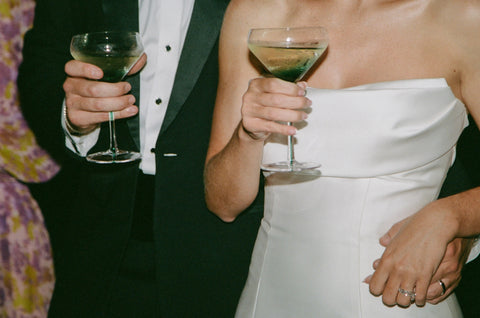


What Is Black Tie Optional?

Black tie optional is a flexible dress code that allows guests to choose between traditional black tie attire (tuxedos and floor-length gowns) or sophisticated formal alternatives (dark suits and elegant dresses). This guide explains the nuances of this versatile dress code, including what it means, how it differs from strict black tie, appropriate attire for men and women, common mistakes to avoid, and how to navigate different types of formal events. Whether attending a wedding, gala, or corporate event, you'll learn how to strike the perfect balance between respecting the hosts' vision and dressing within your comfort zone.
Introduction
Black tie optional emerged as a thoughtful middle ground, giving guests freedom to choose between traditional black tie and refined formal alternatives.
The confusion when you see 'black tie optional' on an invitation
Opening a wedding invitation to find 'black tie optional' can trigger immediate confusion. While 'black tie' suggests formal attire, adding 'optional' creates ambiguity about exactly how dressed up you should be. This flexible dress code emerged as a thoughtful middle ground, allowing couples to host sophisticated celebrations while giving guests the freedom to choose between traditional black tie attire and refined formal alternatives. The challenge lies in determining where to draw that line—especially when invitations use variations like 'black tie preferred,' 'black tie invited,' or 'black tie encouraged.' These nuanced terms typically indicate the couple hopes for tuxedos and full-length gowns but will happily accept well-tailored suits and elegant dresses. Understanding these subtle differences helps ensure you strike the perfect balance between respecting the hosts' vision and dressing within your comfort zone.
Why understanding what is black tie optional matters
Understanding black tie optional dress codes matters because it directly impacts how you'll be perceived at formal events. When you grasp the nuances of this flexible dress code, you can make confident decisions that honor both the occasion and your personal style. Whether you choose to embrace full black tie formality with a classic tuxedo or opt for an impeccably tailored dark suit, your choice should reflect both the event's atmosphere and your comfort level. Making the wrong choice risks standing out for the wrong reasons—appearing overdressed among suits or underdressed among tuxedos. By understanding what black tie optional truly means, you'll navigate these sophisticated occasions with confidence, ensuring you look and feel your best while celebrating life's most important moments.
What Is Black Tie Optional? A Clear Definition
Black tie optional signals that hosts value formality but understand not everyone owns or wants to rent a tuxedo.
The official meaning of black tie optional explained
When you see black tie optional on an invitation, you're being given a thoughtful choice: embrace the elegance of traditional black tie or opt for sophisticated formal alternatives. This dress code signals that your hosts value formality but understand not everyone owns or wants to rent a tuxedo. The wedding party and hosts typically wear full black tie attire, setting an elegant tone while allowing you flexibility in your formal choices [1].
For a quick overview: men can choose between a classic tuxedo or a dark formal suit paired with a dress shirt and tie (we'll dive deeper into men's specific options in the next section). Women have the flexibility to wear floor-length evening gowns, sophisticated cocktail dresses, or elegant pantsuits - just ensure hemlines fall below the knee [1].
What makes this dress code work is its clear boundaries. While you have options, the overall aesthetic must remain polished and refined. Skip the flashy colors, overly revealing styles, or anything that might upstage the hosts. Think of it as formal wear with breathing room - you're aiming for sophistication without the strict requirements of traditional black tie [3].
How black tie optional differs from strict black tie
The difference between traditional black tie and black tie optional comes down to one word: choice. With strict black tie, there's no negotiation - men wear tuxedos with black bow ties, formal vests or cummerbunds, and patent leather shoes [6]. Women must don floor-length gowns in luxurious fabrics that don't reveal the ankles. It's a beautiful but rigid dress code.
Black tie optional loosens these requirements while maintaining sophistication. Men gain the option to wear a well-tailored dark suit (think navy or charcoal) with a necktie instead of a tuxedo. Women can choose cocktail dresses or elegant separates alongside traditional gowns. The key difference? Flexibility without sacrificing formality.
The formality spectrum: Where black tie optional falls
Understanding where black tie optional sits on the formality spectrum helps you make confident wardrobe choices. Picture a scale from 1 to 10: if traditional black tie ranks at 10, black tie optional lands at a solid 8. That puts it above standard formal attire (7) and well above cocktail attire (6), but with more flexibility than its stricter counterpart [8].
Here's what this means in practice: at black tie optional events, you'll typically see the wedding party in full formal regalia - tuxedos and floor-length gowns - setting an elegant tone. As a guest, you can match that level of formality or step slightly down without looking out of place [6]. The key is staying within that 8-range - polished enough to honor the occasion but without the pressure of meeting every traditional requirement.
This positioning makes black tie optional perfect for couples who want their celebration to feel special and sophisticated while being realistic about their guests' wardrobes and budgets. You're still attending a formal event - just one with built-in flexibility that acknowledges modern life [8].
The history and evolution of this versatile dress code
The story of black tie optional reflects how formal fashion has adapted to modern life. During the 1990s, as business casual revolutionized office wear, younger generations began questioning rigid formalwear rules. They wanted to celebrate special occasions with sophistication but on their own terms [9].
By the early 2000s, this shift became visible in formal minimalism - sleeker silhouettes replaced bulky traditional styles, and the versatile black suit emerged as a tuxedo alternative. Young professionals appreciated how a quality black suit could transition from business meetings to formal events, making it a practical investment over single-use tuxedos [9].
Today's black tie optional dress code is the natural result of this evolution. It preserves what matters - looking polished and respecting the occasion - while acknowledging that modern formal wear can be both elegant and practical. This flexibility has made black tie optional increasingly popular for weddings and galas, where hosts want sophistication without alienating guests who might feel uncomfortable in strict traditional attire [9].
The key takeaway? Black tie optional isn't about lowering standards - it's about expanding options while maintaining the special feeling that formal occasions deserve.
Men's Black Tie Optional Attire: Complete Guide
A tuxedo remains your most sophisticated choice for black tie optional events, perfectly aligning with the dress code's formal nature.
Tuxedo options: The traditional approach to black tie optional
A tuxedo remains your most sophisticated choice for black tie optional events, perfectly aligning with the dress code's formal nature. The classic black tuxedo with satin lapels delivers timeless elegance while demonstrating respect for the hosts' intended formality level. When wearing a tuxedo, maintain traditional black tie standards - pair it with a proper white tuxedo shirt, black bow tie, black vest or cummerbund, and patent leather shoes. The key advantage of choosing a tuxedo is confidence in your attire - you'll match the hosts' likely formality while avoiding any risk of appearing underdressed. If you don't own a tuxedo, renting provides access to high-quality options without the investment, ensuring a perfect fit for your special occasion.
Dark suit alternatives: What makes a suit formal enough
For black tie optional events, a dark formal suit serves as a sophisticated alternative to a tuxedo. The key is selecting a well-tailored suit in an appropriately formal color - navy, charcoal gray, or black maintain the event's elevated tone. As discussed in the previous section, the suit should be structured and fitted, avoiding casual elements like relaxed cuts or light colors that could appear underdressed. When wearing a suit instead of a tuxedo, focus on refined details - pair it with a crisp white dress shirt, conservative tie in deep colors like burgundy or navy, and polished black dress shoes. For daytime events, you have slightly more flexibility with suit choices, but evening receptions after 6 PM demand adhering to the darker, more formal end of the spectrum. The suit's fabric and finish also matter - choose luxurious wool or wool blends and avoid anything with casual textures or bold patterns that could detract from the formal atmosphere.
Essential accessories for black tie optional events
The right accessories elevate your black tie optional attire to appropriate formality levels. For tuxedos, essential accessories include a black bow tie, black cummerbund or vest, and patent leather dress shoes that maintain traditional black tie standards. When wearing a dark suit, choose a conservative long tie in sophisticated colors like burgundy, navy, or forest green (as mentioned in the FAQ section), paired with polished black leather dress shoes. Cufflinks and a classic dress watch add refined touches without appearing flashy. The key is selecting accessories that enhance formality while avoiding overly decorative or casual elements. Keep jewelry and other accents minimal and classic - this isn't the occasion for bold statement pieces or trendy accessories that could detract from the formal atmosphere.
Common mistakes to avoid when interpreting the dress code
As covered in our FAQ section, wearing a black suit with a black bow tie is a major mistake that makes you look like you're trying to turn a regular suit into a tuxedo. For black tie optional events, either commit to wearing a proper tuxedo or opt for a dark suit with a regular necktie - don't try to create a hybrid look. Another common error is misinterpreting the 'optional' part as permission to dress casually - jeans, t-shirts, and sneakers remain completely inappropriate regardless of the flexibility in the dress code. When wearing a suit instead of a tuxedo, avoid light colors like medium grey that appear too informal for evening events. Remember, the dress code doesn't mean 'tie optional' - going tieless would be too informal for these sophisticated gatherings. For weddings specifically, resist the temptation to wear a vest as a guest, since wedding parties often reserve vests for themselves and you risk looking like you're part of the wedding party.
Frequently Asked Questions About Black Tie Optional
When wearing a tuxedo, stick with a traditional black bow tie; if opting for a dark suit, choose a conservative long tie in sophisticated colors.
Is a bow tie required for black tie optional events?
A bow tie isn't required for black tie optional events - you'll have flexibility in your neckwear choices as long as you maintain appropriate formality. When wearing a tuxedo, we recommend sticking with a traditional black bow tie to honor black tie conventions. However, if you're opting for a dark suit instead, choose a conservative long tie in sophisticated colors like burgundy, navy, forest green or plum. Avoid wearing a black bow tie with a regular suit - this creates an awkward hybrid look that doesn't quite hit the mark. The key is selecting neckwear that enhances your formal look while steering clear of overly decorative or casual elements. Remember, the 'optional' in black tie optional refers to your choice between tuxedo and suit - it doesn't mean 'tie optional.' Going tieless would be too informal for events of this caliber.
Can I wear a colorful suit or tuxedo to a black tie optional event?
Colorful suits and tuxedos generally aren't appropriate for black tie optional events. The dress code calls for dark, conservative colors like black, charcoal, or deep navy to maintain the right level of formality and show respect for your hosts. While making a statement might be tempting, bold colors or patterns risk appearing too casual or drawing unwanted attention. For suits, stick to solid colors or extremely subtle patterns like a faint windowpane. When it comes to tuxedos, traditional black or midnight blue remain the gold standards - save creative colors for events with specifically relaxed dress codes.
What is black tie optional versus creative black tie?
Creative black tie differs significantly from black tie optional in both flexibility and flair. While black tie optional lets you choose between tuxedos and dark suits, creative black tie maintains the formal black tie foundation but adds room for personal expression through textures, colors, and unique accessories. With black tie optional, you'll stick to conservative choices like tuxedos or dark suits with understated ties. Creative black tie, however, invites you to incorporate more distinctive elements while keeping your overall look formal. The key distinction? Creative black tie encourages individual style - you can incorporate seasonal touches, bold colors, and unique accessories while maintaining the event's formal nature. Both dress codes still require sophistication, but creative black tie provides more latitude for personal interpretation within formal boundaries. This makes creative black tie ideal for hosts who want to preserve formality while letting guests showcase their personality through thoughtful style choices.
Should I rent or buy attire for black tie optional occasions?
The decision to rent or buy formal attire depends on how often you'll wear it and your budget. If you attend fewer than two formal events annually, renting offers the most cost-effective solution, typically running $100-200 for a complete tuxedo package. However, if you attend 3-4 black tie optional events per year, purchasing becomes worthwhile - especially a versatile dark suit that can serve double duty for business and formal occasions. Consider your lifestyle: do you anticipate more formal events in your future? Are you in a life stage (like your 30s-40s) where weddings and galas are common? Factor in alterations too - purchased attire can be perfectly tailored to your body, while rentals offer limited adjustment options. For those unsure about frequency, start with renting to understand your preferences and fit requirements, then invest in purchasing if formal events become regular occurrences.
Black Tie Optional for Different Event Types
Black tie optional weddings allow couples to create an elevated atmosphere without imposing strict financial burdens on their guests.
Wedding guest attire: Navigating black tie optional at celebrations
Black tie optional weddings require careful consideration of formality while allowing some flexibility in attire choices. For these celebrations, couples typically want to create an elevated atmosphere without imposing strict financial burdens on their guests [3]. Women have multiple sophisticated options - floor-length gowns remain the most traditional choice, but cocktail dresses and formal pantsuits are also acceptable as long as they maintain an upscale aesthetic [3]. The key is selecting luxe fabrics and avoiding anything too revealing or attention-grabbing, like overly sequined looks or dramatic ball gowns [3]. Color choices matter significantly - avoid white, pastels, neon hues, and the bridesmaids' dress color, instead opting for season-appropriate shades like jewel tones for winter or softer blues and pinks for summer [3]. When accessorizing, elevate the look with formal jewelry and elegant hair and makeup, but skip casual pieces like smart watches that would diminish the sophisticated atmosphere [3]. The venue should guide specific styling choices - Gonzalez-Ramirez recommends previewing the wedding location to ensure your attire matches the setting's ambiance [3]. Most black tie optional weddings take place in the evening after 6 PM, so daytime-appropriate looks typically won't align with the expected formality level [3].
Corporate and charity galas: Appropriate interpretations
Corporate and charity galas demand careful interpretation of black tie optional dress codes to maintain appropriate formality. For these events, men should prioritize dark formal attire - either a classic black tuxedo with satin lapels or a well-tailored dark suit in navy or charcoal [19]. Women attending galas can choose between floor-length gowns in luxurious fabrics like silk, velvet, or chiffon, or sophisticated cocktail dresses in dark jewel tones [20]. The venue and timing significantly impact formality expectations - evening galas typically require more formal interpretations than daytime events [19]. When accessorizing for galas, men should include refined details like cufflinks, dress watches, and pocket squares, while women can incorporate statement jewelry and elegant clutches to elevate their looks [20]. Regardless of specific attire choices, maintaining sophistication remains paramount - casual elements like jeans or informal fabrics have no place at these prestigious events [19].
Seasonal and destination event considerations
Seasonal and destination considerations significantly impact black tie optional attire choices. For summer weddings, guests can opt for lighter fabrics and colors like blue, pink, orange, and yellow, while winter events call for richer materials like wool and velvet in darker shades like black, navy, and jewel tones [3]. The venue should guide specific styling decisions - preview the location to ensure your attire matches the setting's ambiance [3]. Evening receptions after 6 PM demand stricter adherence to formality, while daytime events allow slightly more flexibility with colors and prints [1]. For destination weddings, consider climate-appropriate fabrics while maintaining formality - a silk ivory jacket with black trousers works well for warm-weather locations, while heavier materials suit cooler destinations [3]. When selecting colors, avoid white, pastels, neon hues, and the bridesmaids' dress color regardless of season or location [3]. The key is choosing luxe-looking fabrics that can be dressed up or down with accessories while respecting the formal nature of the event [1].
How to gauge the expected formality from the invitation
Several key elements in the invitation can help gauge the expected formality level. The venue listed provides important context - a luxury hotel ballroom demands more formal attire than a converted barn reception [1]. The timing also matters significantly, as evening receptions after 6 PM require stricter adherence to formal dress codes compared to daytime events which allow more flexibility with colors and prints [1]. Pay attention to specific wording variations like 'black tie preferred,' 'black tie invited,' or 'black tie encouraged,' which typically indicate the hosts hope guests will wear tuxedos or full-length gowns but will accept formal alternatives [1]. Preview the wedding location if possible to ensure your attire matches the setting's ambiance - this helps determine whether to lean toward full black tie formality or slightly more relaxed options [1]. The invitation may also include a wedding website link with a detailed section on preferred attire, which can provide additional clarity about the hosts' expectations [2].
Conclusion
Black tie optional represents thoughtful flexibility - a dress code that maintains elegance while acknowledging practical considerations.
Key takeaways about what black tie optional really means
At its core, black tie optional represents thoughtful flexibility - a dress code that maintains elegance while acknowledging practical considerations. As we've explored throughout this guide, it occupies that sweet spot between strict formality and approachable sophistication. The key to mastering this dress code lies in understanding three essential principles: respect the formality of the occasion, consider the context of venue and timing, and choose quality pieces that make you feel confident. Whether you opt for a classic tuxedo or a well-tailored dark suit, the goal remains the same - looking polished and appropriate for the celebration. Remember that this dress code exists to create an elevated atmosphere without imposing strict requirements, allowing you to participate in formal events comfortably while still honoring the hosts' vision for their special occasion.
Building versatility into your formal wardrobe
Creating a versatile formal wardrobe doesn't require an extensive collection - it's about choosing quality pieces that adapt to various occasions. Start with foundational items that transcend specific dress codes: a perfectly fitted dark suit in navy or charcoal serves as your cornerstone piece, easily dressed up with formal accessories or styled more simply for less stringent events. For those attending multiple formal events annually, consider whether purchasing key items makes more financial sense than repeatedly renting. A well-chosen dark suit can serve double duty for both business and black tie optional occasions, offering excellent value for your investment. Add versatility through accessories - a selection of ties in various colors and patterns, quality dress shoes that polish to perfection, and classic cufflinks can transform the same suit for different events. This approach allows you to build a formal wardrobe gradually while ensuring you're always prepared for whatever dress code comes your way.
Final styling tips for black tie optional confidence
Success with black tie optional comes down to confidence in your choices and attention to refined details. Start with impeccable fit - whether you're wearing a tuxedo or suit, proper tailoring makes the difference between looking sharp and looking sloppy. For those final touches that elevate your entire ensemble, focus on quality over quantity: freshly polished shoes, a well-pressed shirt, and subtle accessories that complement rather than compete for attention.
Here's your black tie optional checklist for guaranteed sophistication:
- Ensure proper fit through professional tailoring or careful selection
- Choose accessories that enhance, not overwhelm - think classic watches, understated cufflinks, and elegant pocket squares
- Perfect your grooming with a fresh haircut and manicured appearance
- Test your complete look before the event to ensure comfort and confidence
- Remember that less is often more - sophistication lies in restraint, not excess
When uncertainty strikes, lean toward formality. It's far better to be slightly overdressed than to appear casual at a formal celebration. Most importantly, wear your chosen attire with confidence - the best accessory for any black tie optional event is the assurance that comes from knowing you've made thoughtful, appropriate choices.
- Keep in mind: A black-tie-optional dress code can be written a few different ways. Some couples write 'black-tie preferred,' 'black-tie invited' or 'black-tie encouraged.' Typically, these three terms mean that the to-be-weds likely want their guests to wear a tux or full-length gown but will also accept formal suits and dresses. - https://www.theknot.com/content/what-to-wear-formal-black-tie-optional-black-tie-invited
- A black tie optional wedding is a relatively new trend. It's born out of couples wanting a highly sophisticated celebration but also understanding that not all guests can splurge on the required attire. - https://www.greenvelope.com/blog/black-tie-optional-wedding
- Since black-tie optional weddings are becoming increasingly more common, you might snag a few more invitations to this type of affair. Because some couples want to encourage their guests to get dressed up without pressuring anyone to buy or rent a tuxedo, this dress code has risen in popularity. - https://www.brides.com/black-tie-optional-wedding-attire-4800698
- This dress code was introduced to give guests more outfit choices while preserving an elegant and sophisticated atmosphere. - https://www.friartux.com/blog/blog2305.html?srsltid=AfmBOopL_c7ZNZVOcAlX4FNBQ_Bxy0dKiDcan_dA09w7BissGUkYt0I4
- Receptions held in the ballrooms of luxury hotels, historic halls, or country clubs will likely draw more from the tuxedo and evening gown set. Conversely, receptions held in converted barns, dance halls, or social venues might be more appropriate for guests in a dark suit or cocktail dress. - https://www.gentlemansgazette.com/tuxedo-black-tie-guide/etiquette/black-tie-optional-dress-code/
- A step down from white-tie wedding attire, black-tie dress codes usually indicate a formal, evening event. Women should wear a floor-length gown (that doesn't reveal the ankles) in sumptuous fabrics, like silk and organza. As for men, tuxedos are a must. A black bow tie, black vest or cummerbund, and patent leather shoes are also recommended. - https://www.brides.com/story/wedding-dress-code-explained
- If you're struggling with what to wear to a wedding based on cultural traditions, you're not alone. You want to be both respectful and stylish. To do so, it's very important that you do your research in advance, as different cultures have different guidelines for what is appropriate. - https://www.theknot.com/content/wedding-guest-attire-cheat-sheet
- In summary, if we were to put black tie optional on a sort of scale, ten would be for full formal, and the lowest you could go was a five at casual formal. The general rule is to be smart and not too casual. That is all. - https://curatedevents.com/blog/what-does-black-tie-optional-mean/
- As the nineties progressed, the power suits of the yuppie era morphed into the chinos and running shoes favored by the young, non-conformist vanguard of the dot-com boom... The black suit is preferred by younger men likely for economy, style and familiarity... Mainstream black tie in the millennium's first decade was a pared-down minimalist affair. - https://www.gentlemansgazette.com/tuxedo-black-tie-guide/black-tie-tuxedo-history/millenial-era-black-tie/
- Black Tie Optional allows some wiggle room for men who might not feel comfortable dressed to the nines, or can't afford to buy a new tux when they already have a black suit sitting at home. Black Tie Optional is a nice way for the host of a wedding, gala, or high end event to indirectly say to guests, 'Come looking your best, but don't go crazy.' On the other hand, Black Tie Optional can be a great opportunity to invest in a well fitting tuxedo. - https://stateandliberty.com/blogs/news/black-tie-optional-men?srsltid=AfmBOoqQADuMzoLab5CBn-tffc6eRZgmPqBGmOmrEoosVXj9-X-LCsUr
- For black tie optional events, men can choose between a tuxedo or a dark-colored suit. A black tuxedo with satin lapels is a timeless choice for a classic and sophisticated look. - https://www.friartux.com/blog/blog2305.html?srsltid=AfmBOoqArb6_rWJ1YliZD4GO-bOdXy2reyaoxDebmZuWCIFY6TW0zyrL
- Black tie attire is slightly less formal than white tie, but it is more formal than business attire. It is the most common formal dress code for events such as weddings, proms, formal dinners, and theatre. - https://emilypost.com/advice/black-tie-dress-code
- If you prefer a suit, opt for a well-tailored dark navy or charcoal gray suit. The key is to look polished and refined. - https://www.friartux.com/blog/blog2305.html?srsltid=AfmBOoog3mO19YcvMCS6eiMigz6L6Hb1F_ds6EjSHF2AA3xHL1aqgsDi
- You might have noticed that wedding parties often have a monopoly on vests. It doesn't have to be a thing, but... still, kind of a thing. So if you're a guest in a vest, the odds are high you'll look like you're in the wedding party. - https://theblacktux.com/blogs/style/black-tie-optional-dress-code-men
- Black tie optional means guests can choose between full black tie formality or slightly less formal but still dressy alternatives. At its core, this dress code indicates that the hosts and wedding party will likely wear traditional black tie attire, while giving guests flexibility in their formal choices - https://www.friartux.com/blog/blog2305.html?srsltid=AfmBOop9dNmhaHfLlm7ne2gT80SZVPtAq0p3Zu0vjuqQV9BVI4ESG9IE
- A creative black tie is best described as attire with a black-tie foundation with room for some creativity and flair. It maintains black tie formality but allows for the use of textures, colors, and accessories to personalize your look. - https://emilypost.com/advice/attire-guide-dress-codes-from-casual-to-white-tie
- A rental suit will cost you around $150, while the price to purchase one of your own starts around $300 (for half-decent quality) and goes up from there... Research shows that purchasing a tux will prove more cost-effective than renting one after about two uses - https://www.weddingwire.com/wedding-ideas/renting-vs-buying-your-wedding-tuxedo
- If you are renting menswear for your wedding day, you may encounter concerns when it comes to fitting and sizing. You may be a bit limited in getting an exact size match... When buying a suit or tuxedo, you will need to consider storage and maintenance. - https://weddingswithjoy.com/rent-vs-buy-wedding-suit-tuxedo-pacific-northwest-groom-groomsmen/
- Common occasions for black tie optional dress codes include weddings, charity galas, awards ceremonies, and business dinners. This dress code allows guests to dress elegantly without the stringent requirements of traditional black tie attire. - https://www.friartux.com/blog/blog2305.html?srsltid=AfmBOorythPPbvhRBvmyIQ5pmsS-pDIuhDeY8m11YpyE1QJ7l2HBPaiR
- For a traditional black-tie gala, women should wear a floor-length gown or cocktail dress in luxurious fabrics such as silk, velvet, or chiffon. Classic colors like black, navy, or shimmery are the most sophisticated, but other dark jewel tones or even bold colors and tasteful prints are also acceptable. Intricate details such as beading, lace, or classy high heels add a touch of glamour. - https://www.crystalview.com/blog/a-guide-to-gala-dress-codes
- When selecting a dress, it's best to stick to classic colors like black, navy, or jewel tones, which convey formality and suitability for the occasion. Opt for luxurious fabrics such as silk, satin, or velvet to elevate the overall look and feel of your outfit. - https://www.friartux.com/blog/blog2305.html?srsltid=AfmBOopeTy5nofXK9mHC5NGJJpEdsPDMbeoV6iKSov3vBG_dFCJCWsaB
- If you want to go for a full black tie look with minimal hassle, a tuxedo is your default. You absolutely cannot go wrong with a black tuxedo, a proper white pleated-front shirt (or "bib front") made for tuxedos, shirt studs or cufflinks, black formal shoes—like Oxfords or patent leather shoes in black—and a black bowtie. - https://www.oliverwicks.com/article/black-tie-optional?srsltid=AfmBOopydKTrJhfx86JSwsPcrMfg2rqN7a3Cbeb8F1QVcRyo4XIkmAHr
- Black Tie Optional allows some wiggle room for men who might not feel comfortable dressed to the nines, or can't afford to buy a new tux when they already have a black suit sitting at home. Black Tie Optional is a nice way for the host of a wedding, gala, or high end event to indirectly say to guests, "Come looking your best, but don't go crazy." - https://stateandliberty.com/blogs/news/black-tie-optional-men?srsltid=AfmBOorhaPCt9ugGopQ7Lt2-e_sU6Ba7Cik6x_8SBbaIgkZ0337XbZax
- Pay attention to grooming: ensure your hair is well-styled, your nails are clean, and your overall appearance is well-groomed. - https://www.friartux.com/blog/blog2305.html?srsltid=AfmBOopQkpuz5Irl9hEf-lnHB6TJkNO9A6B3vbdGrITeICnFIry-ibtC


