

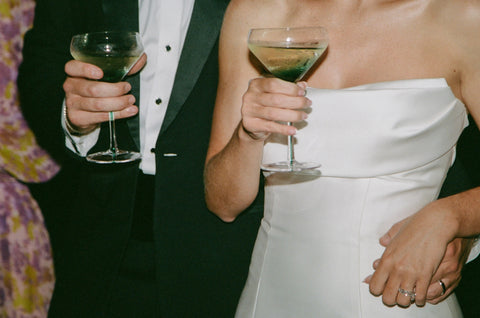


What Is Formal Wedding Attire? A Groom’s Essential Guide

From decoding the hierarchy of white-tie to black-tie optional, this guide equips grooms to master formal wedding attire by balancing timeless elegance with modern self-expression--showing exactly when a tuxedo trumps a suit, how collar, cuff and fabric choices affect comfort and polish, and why precise tailoring turns any ensemble into camera-ready confidence. Readers learn to personalize within tradition through subtle color shifts, textured accessories and cohesive wedding-party coordination while respecting venue, season and dress-code etiquette, plus practical timelines for fittings, rent-vs-buy math, and day-of emergency kits that keep the focus on celebration. Ultimately, the article delivers a actionable roadmap for looking unforgettable in photos and feel genuinely yourself at the altar, proving that informed choices-- not rigid rules--create the lasting visual legacy every groom deserves.
Introduction
Master modern groom style by balancing timeless elegance with personal expression--let precise tailoring, thoughtful accessories, and the right level of formality transform your wedding attire into a confident, unforgettable visual legacy.
The Importance of Mastering Formal Wedding Attire
Your wedding day will be one of life's most photographed and memorable occasions, with your attire playing a crucial role in setting the tone for the entire celebration [2]. Here's the truth: your formal wedding attire represents more than just looking good--it embodies elegance, confidence, and personal style at a milestone moment [2]. The modern groom now approaches wedding day clothing as a meaningful reflection of personality, not merely as a fashion requirement [1].
Well-chosen fabrics, precise tailoring, and thoughtful accessories transform standard formalwear into something truly unforgettable, creating a visual legacy that will endure in photos and memories [2]. Beyond aesthetics, proper attire instills the confidence you need to navigate a day filled with both emotion and attention [2]. The right formal wear also demonstrates respect for the significance of the occasion, with the formality level appropriately matching the overall wedding tone [1].
Mastering formal wedding attire means finding that perfect balance between honoring tradition and expressing your individuality--creating a look that feels authentic while rising to the importance of this life-changing celebration [2].
Navigating the Formality Spectrum as a Modern Groom
As a modern groom, you're navigating a more nuanced formality spectrum than your predecessors, balancing timeless traditions with contemporary self-expression. Wedding style expert Angel Ramos notes that groom attire "was once glorious, especially in the early 1900s," though its sense of formality has evolved in recent decades [3].
Today, you have more choices than ever--from the ultimate formality of white tie to the relaxed elegance of destination wedding attire [3]. While classic options like the
How This Guide Will Help You Look Your Best
This guide cuts through the confusion of modern wedding attire with clear, actionable advice tailored to your specific needs. You'll discover practical tips for navigating dress codes (covered in detail in our formal dress codes section), ensuring confident decisions that perfectly match your wedding's formality [1].
We'll guide you through essential fit considerations--because proper measurements are the foundation of looking polished, whether you choose a classic tuxedo or contemporary suit [1]. Throughout this guide, you'll learn how to select each element of your outfit, adapt your look for different seasons and venues, and coordinate seamlessly with your wedding party [1].
Our approach is simple: provide specific, practical advice you can immediately apply. From understanding the nuances of formal wear to making smart decisions about styling and accessories, we'll ensure you look and feel your absolute best on one of life's most photographed days [1].
Defining Formal Wedding Attire
Master the hierarchy of wedding dress codes--pairing a perfectly fitted tux or dark suit with season-smart fabrics and elevated accessories--so you look impeccably polished for any formal celebration after 6 PM.
What 'formal' Actually Means in Wedding Context
When navigating wedding attire, "formal" encompasses more than just your clothing choice--it defines the entire event's sophistication level [7]. For you as the groom, formal wedding attire typically means selecting between a refined tuxedo or an impeccably tailored dark suit, enhanced with elevated accessories [6]. You'll encounter formal dress codes like black-tie, black-tie optional, or high-level cocktail attire, which sit just below the ultra-formal white-tie but well above semi-formal celebrations [6]. Your primary goal?
Looking polished and honoring your special day's significance while letting your personality shine through [6]. The time of day plays a crucial role in your attire decisions--evening weddings call for more formal choices than daytime celebrations, with traditional etiquette suggesting tuxedos shouldn't appear before 6 PM [7]. Your venue and season guide fabric selection too. Consider rich velvet for winter elegance or breathable linen and lightweight wool blends for summer comfort [5].
Whatever you choose, remember that proper fit forms the foundation of any formal look. Your jacket should follow your natural shoulder line and taper smoothly at the waist, while trousers should break cleanly over polished leather shoes [6]. Complete your ensemble with thoughtfully chosen accessories--a silk bow tie or necktie, pocket square, and cufflinks--each element contributing to your sophisticated wedding day style [6].
Formal vs. Semi-Formal vs. Black Tie: Understanding the Differences Understanding the hierarchy of wedding dress codes empowers you to make confident attire choices that match your celebration's formality [7]. Here's how to decode the differences: White tie represents the pinnacle of formality--think state dinners and royal weddings. These ultra-formal celebrations typically feature engraved invitations, cathedral ceremonies, and lavish receptions for 200+ guests [7]. While rare in modern weddings, white tie requires specific elements we'll detail in the next section. Black tie follows as the classic formal standard, perfect for elegant weddings with religious ceremonies and sit-down dinners hosting 100-200 guests [7].
This dress code signals sophistication without the rigidity of white tie. Semi-formal (often called "black tie optional") gives you flexibility--choose between a tuxedo or a refined dark suit based on your preference and comfort level [8]. This adaptable dress code works beautifully for weddings that blend formal elements with a more relaxed atmosphere. For intimate weddings with fewer than 100 guests, a well-tailored dark suit provides appropriate elegance without feeling overdressed [7]. Remember that timing matters: evening celebrations traditionally call for more formal attire, with tuxedos reserved for events starting after 6 PM or dusk [7].
Daytime formal weddings may call for morning dress as the traditional alternative to evening wear [7]. For complete details on executing each dress code perfectly, see our comprehensive breakdown in the following section.
Common Misconceptions About Formal Wedding Attire
Let's clear up the most common formal wedding attire myths that can derail your polished look: The Three-Piece Myth: You don't need a waistcoat to achieve formality. While vests can add sophistication when done right, forcing a three-piece look often appears costume-like rather than elegantly refined [11].
Focus on perfect fit over extra layers. The Matching Trap: Your pocket square shouldn't match your tie--this creates a predictable, dated appearance. Instead, choose a pocket square that complements your overall palette while adding its own distinctive accent [11].
Think of it as a sophisticated detail, not a carbon copy. Timing Confusion: Remember that tuxedos are evening attire by definition. Save your
Breaking Down Formal Dress Codes
Master white tie's uncompromising precision--from hand-tied bow tie to cuff length--or opt for black tie's refined balance of timeless elegance and modern sophistication for your formal wedding.
White Tie: The Ultimate Expression of Formality
White tie stands as the ultimate expression of formal elegance, traditionally reserved for the most prestigious occasions--think royal ceremonies, state dinners, and exclusive galas [12]. If your wedding calls for this level of formality, you'll need to master its specific requirements: a black tailcoat with satin-faced peak lapels (never notched), high-waisted black trousers with a single satin stripe, and a crisp white piqué wing-collared shirt with visible studs [14]. Your white bow tie serves as the centerpiece--ensure it's proportioned to your face and hand-tied to perfection [14].
To complete this distinguished look, you'll add white gloves, a white waistcoat (cut shorter than standard waistcoats), and patent leather opera pumps or oxfords [12]. Every detail matters: your waistcoat shouldn't peek below the tailcoat front, and your shirt cuffs should extend exactly one-quarter to one-half inch beyond your jacket sleeves [12]. This dress code demands absolute precision--even wearing a wristwatch breaks tradition, as it disrupts the clean lines created by your cuffs and cufflinks [12].
While rarely seen at modern weddings, white tie creates an unforgettable impression that honors centuries of sartorial excellence [13].
Black Tie: The Classic Formal Standard
Black tie remains the gold standard for formal evening weddings, perfectly balancing timeless sophistication with modern wearability [15]. Born in 19th century England as a more accessible alternative to white tie, it's now the go-to choice for elegant celebrations [15]. Your black tie ensemble centers on these essential elements: - A dinner jacket (tuxedo) in black or midnight blue with satin or grosgrain lapels - Matching formal trousers with a satin stripe down each leg - A crisp white formal shirt with French cuffs - A hand-tied black silk bow tie (skip the pre-tied--it shows) - Polished black leather shoes, preferably patent leather oxfords [15] When selecting your tuxedo, you'll choose between peak or shawl lapels--both feature satin facing that creates sophisticated contrast [16]. Your shirt options include a classic turndown collar or the more traditional wing collar [17].
For accessories, keep it refined: cufflinks in silver, gold, onyx, or mother-of-pearl, plus a white pocket square folded with a straight edge [15]. Want to add extra polish? Consider a black cummerbund or low-cut waistcoat that matches your trousers [15]. Modern grooms often opt for midnight blue instead of black--it appears richer under reception lighting and photographs beautifully [16].
Remember, fit transforms a good tuxedo into a great one. Whether you're considering a
Black Tie Optional: Navigating Flexibility with Elegance
Black tie optional offers the best of both worlds--you can wear a tuxedo for maximum impact or choose a formal dark suit without breaking protocol. This flexible dress code signals that while the wedding party will likely embrace full black tie, guests have options [18]. As the groom, this flexibility works in your favor.
You can: - Stand out from guests by choosing full black tie when many opt for suits - Ensure everyone feels comfortable regardless of their formalwear access - Adapt to venue or seasonal considerations [19] Your three main options include: 1. Full black tie: A traditional tuxedo with peak or shawl lapels for maximum formality 2. Formal suit: A dark suit (navy, charcoal, or black) with white shirt and conservative tie 3. Transitional elegance: A midnight blue tuxedo or dinner jacket with distinctive details like velvet lapels [20] Whatever you choose, commit fully to that formality level--don't mix tuxedo and suit elements [18]. If you select a suit, ensure it's impeccably tailored and paired with formal accessories. Evening celebrations call for darker colors and dressier details than afternoon events [18].
Complete your look with appropriate footwear: patent leather oxfords for tuxedos or polished black lace-ups for suits. Add refined touches through cufflinks, a pocket square, and a tie in subtle patterns or rich solids [19]. The key is maintaining consistency and polish throughout your entire ensemble.
Formal Attire Beyond the Tuxedo
Looking to make a statement while maintaining formal elegance? The classic black tuxedo is just the beginning. White dinner jackets create sophisticated impact for spring and summer celebrations--pair one with black trousers for that slightly retro, undeniably elegant look that photographs beautifully against outdoor backdrops [21]. For formal weddings that don't require strict black tie, explore these distinctive options: - Colorful tuxedo jackets: Burgundy or emerald green jackets with black trousers deliver personality without sacrificing formality [21] - Modernized silhouettes: Fitted jackets with slightly cropped pants in unexpected colors for a contemporary edge [21] - Destination elegance: Lightweight linen suits in light grey, pale blue, or crisp white--infinitely more polished than the typical beach wedding uniform [23] Smart grooms recognize that custom tailoring transforms any formal alternative into something special.
With rental tuxedos approaching $200, investing $700-1000 in a custom suit you'll wear again makes excellent sense [23]. Planning a warm-weather celebration? You don't need to sacrifice sophistication for comfort. Consider forgoing the jacket while maintaining formality through impeccable shirt fit, refined accessories, and polished details [23].
Sport coats offer another versatile option, pairing beautifully with formal trousers while allowing you to adjust your look throughout the celebration [22]. Remember: whether you choose a tuxedo variation or formal alternative, proper fit remains non-negotiable. As covered in our fitting guide, your jacket should contour to your shoulders and taper at the waist, with trousers breaking cleanly at your shoes [23].
Essential Components of a Formal Wedding Outfit
Match your wedding's dress code, timing, and partner's gown to choose between a satin-detailed tuxedo for evening black-tie or a versatile single-fabric suit for daytime celebrations, then frame it with the right collar and fabric shirt to complete the look.
Suits vs. Tuxedos: Making the Right Foundation Choice
Your choice between a suit and tuxedo sets the foundation for your entire wedding day look--and understanding the key differences helps you make the right decision. Here's what distinguishes these two formal options: tuxedos feature signature satin details on the lapels, buttons, and a sleek stripe down each pant leg [24]. This lustrous contrast against the base fabric immediately signals elevated formality [24]. Suits, crafted from a single fabric throughout, offer greater versatility for styling and personalization [25].
Let your wedding's dress code guide this crucial choice. Black-tie and white-tie events call for tuxedos exclusively, while suits work beautifully for semi-formal, cocktail, and festive celebrations [24]. Time of day matters too--save tuxedos for evening affairs (traditionally after 6 PM), while suits adapt perfectly to daytime ceremonies [25]. Consider how your choice complements your partner's attire.
If they've chosen a formal gown, a tuxedo creates perfect visual harmony [25]. From a practical standpoint, tuxedos represent a higher investment for less frequent wear, making
Formal Shirts, Collars, and Cuffs: Details That Matter
Your formal shirt serves as the canvas for your wedding day style, and choosing the right details makes all the difference. For black-tie weddings, wing collar shirts deliver timeless elegance--those distinctive upward points create the perfect frame for your bow tie [27]. If versatility is your goal, turndown collars adapt beautifully to any formality level, pairing equally well with bow ties or neckties [29]. Consider how collar styles complement your overall look. Italian collars offer generous spread to showcase substantial tie knots like the Windsor [28], while modern spread collars balance perfectly with contemporary wider lapels [29].
Your shirt's fabric sets the tone for both comfort and sophistication--lightweight poplin keeps you cool during summer celebrations, while textured twill adds visual interest and warmth for evening receptions [28]. Don't overlook the power of cuffs. French cuffs with cufflinks instantly elevate your black-tie ensemble and provide an opportunity for personal expression [29]. For semi-formal weddings, barrel cuffs with quality buttons offer polished simplicity [29]. The shirt front creates your suit's visual centerpiece.
Pleated fronts add dimensional elegance to tuxedos, while fly-front designs deliver sleek minimalism by concealing buttons beneath smooth fabric [27]. Whatever style you choose, ensure the fit allows natural movement--you'll be hugging guests, dancing, and celebrating all day. A properly fitted shirt moves with you while maintaining its crisp, photogenic appearance [29].
Neckwear: Bow Ties, Neckties, and When to Wear Each
The right neckwear transforms your formal attire from polished to unforgettable. Your wedding's formality level provides the roadmap: bow ties reign supreme for black-tie and formal celebrations, while neckties offer flexibility for semi-formal to casual events [30]. If you're going with a bow tie, shape matters more than you might think. Diamond bow ties deliver sharp, asymmetrical sophistication that photographs beautifully. The classic butterfly shape provides generous fabric to frame your face--perfect for making a statement [30]. Prefer something more subtle?
The wide butterfly offers a relaxed drape while maintaining formal elegance. For slimmer frames or narrower lapels, batwing (or straight) bow ties create ideal proportions without overwhelming your silhouette [30]. Season guides your fabric choices. Summer weddings call for breathable cotton, crisp linen, or textured seersucker that won't weigh you down during outdoor photos. When temperatures drop, elevate your look with luxe velvet, knit silk, or wool flannel--textures that add visual warmth and richness [30]. Choosing neckties?
Let patterns express your personality within formal boundaries. Pin dots add understated texture, while playful polka dots inject personality without compromising sophistication. Thin stripes create a refined, slightly preppy vibe, and plaids or tartans perfectly complement rustic venues [30]. Here's how to stand out as the groom: create contrast with your wedding party. Wear a bow tie while they sport neckties, choose a patterned option against their solids, or go classic black while they showcase your wedding colors. These subtle distinctions ensure you're unmistakably the man of the hour [30].
Footwear, Accessories, and Finishing Touches
The right finishing touches elevate your formal wedding attire from merely appropriate to truly exceptional. While specific footwear requirements vary by dress code (detailed in our dress code breakdown above), the principle remains consistent: your shoes should complement your outfit's formality level [31]. Whatever style you choose, pair them with over-the-calf socks--there's nothing worse than flashing bare leg in your wedding photos [31]. Your boutonniere serves as the signature groom's accessory. For maximum elegance, thread it properly through your lapel buttonhole rather than simply pinning it on top [31].
This small detail signals attention to tradition and craftsmanship [31]. When wearing French cuffs, select cufflinks that reflect your personality without overwhelming your ensemble. Think of them as subtle conversation starters--perhaps something with sentimental value or a nod to your shared interests [31]. Your pocket square deserves special attention. For ultimate formality, crisp white always works.
If you prefer pattern, ensure it complements rather than matches your tie--coordination should look effortless, not contrived [31]. Remember, even within formal parameters, you can express individuality through thoughtful details. Consider textured accessories that echo your season, unique cufflinks that tell your story, or subtle color accents that tie into your wedding palette. The key is ensuring each element enhances your overall presentation while maintaining the sophisticated standard your wedding day demands [31].
Personalizing Your Formal Wedding Look
Personalize your formal wedding look by weaving subtle, meaningful details--like heirloom cufflinks, a pocket square in your wedding colors, or a midnight-blue tuxedo--into the dress code so you stand out as the groom while staying perfectly cohesive with the day's elegance.
Adding Personal Style While Respecting Tradition
Modern grooms can express their individuality while honoring formal traditions through thoughtful, subtle choices. The key is adding personal elements that enhance rather than compete with your formal foundation. Start with accessories--they're the easiest way to make a statement.
Consider cufflinks inherited from your grandfather, a pocket square in your wedding colors, or a boutonnière featuring your partner's favorite flower. These details create meaningful moments without disrupting the overall formality of your look. For more significant personalization, explore fabric choices and subtle pattern variations.
A midnight blue tuxedo offers sophistication beyond standard black, while textured fabrics like herringbone or subtle checks add visual interest to traditional suits. The beauty of modern formalwear lies in these nuanced choices that let your personality shine through while maintaining the elegance your wedding demands.
Color Considerations Within Formal Parameters
While strict dress codes dictate specific colors (as covered in our formal dress code breakdown), modern weddings offer more flexibility for personal expression through color. Beyond traditional black, today's grooms embrace sophisticated alternatives that maintain formality while showcasing personality.
Consider how color works with your specific celebration. Your wedding's season naturally influences appropriate choices--rich jewel tones elevate fall and winter weddings, while lighter shades feel fresh for spring and summer events.
Your venue matters too: a
Coordinating With Your Wedding Party and Partner
Creating visual harmony with your wedding party starts with understanding that coordination doesn't mean matching. Your partner's attire sets the tone--if they're wearing a dramatic ball gown, you'll want the formality of a tuxedo. For a relaxed garden party vibe, a well-tailored suit strikes the right note. As the groom, you should stand out while still looking cohesive with your groomsmen.
Smart ways to achieve this include: - Wearing a different lapel style (peak lapels for you, notch for them) - Adding a vest while your groomsmen go without - Choosing a slightly different shade within the same color family - Sporting a distinctive boutonnière that's larger or more elaborate When it comes to the broader wedding party, think in terms of complementary colors rather than exact matches. Your groomsmen's ties might echo the bridesmaids' dress color, or everyone could share a common accent color that appears in different ways throughout the party. This creates visual flow without the "prom photo" effect of overly matched attire. Remember that accessories are your secret weapon for tying everything together.
Pocket squares, boutonnieres, and even socks can reference your wedding colors while each person maintains their individual style. The goal is a cohesive look that feels intentional but not rigid--like a well-curated photo rather than a uniform.
Adapting Formal Attire for Different Venues and Seasons
Your venue and season shape your formal attire choices without compromising elegance. Smart fabric selection ensures you'll look polished while staying comfortable throughout your celebration. For warm-weather and destination weddings, lightweight options maintain sophistication. A crisp white dinner jacket with black trousers delivers James Bond-level elegance at beach venues. Linen suits paired with quality dress shirts offer breathability for garden parties or outdoor ceremonies.
The key is choosing natural, breathable fabrics that photograph beautifully while keeping you cool. Cold-weather celebrations open up rich textural possibilities. Consider heavier wools, subtle herringbones, or luxurious tweeds that add visual depth to your formal look. These fabrics naturally complement the cozy ambiance of winter weddings while providing practical warmth during outdoor photo sessions. Venue-specific considerations go beyond temperature.
Barn and outdoor weddings call for a balance between formality and practicality--structured jackets in medium-weight fabrics work perfectly, while overly delicate materials might feel out of place. For indoor ballrooms, you can embrace more traditional formal fabrics without weather concerns. The beauty of modern formalwear is its adaptability. Whether you're saying "I do" on a beach, in a vineyard, or at a grand hotel, the right fabric and weight choices ensure you'll look exceptional while feeling comfortable enough to truly enjoy your day.
Practical Guidance for the Well-Dressed Groom
Start your wedding tailoring 2-3 months early, insist the collar hug your shirt and ¼-inch of cuff peek from the sleeve, and you'll turn a $700 custom suit into the best-dressed version of yourself--no rental required.
The Perfect Fit: Working With a Tailor for Formal Attire
The perfect fit determines whether formal attire looks exceptional or merely adequate. Start your tailoring process 2-3 months before your wedding to allow time for proper measurements, adjustments, and potential follow-up fittings [38]. When working with a tailor, focus first on the collar and shoulders--the foundation of proper fit. Your jacket collar should sit flush against your shirt collar with no gaps or rolling, while shoulders should follow your natural line without extending beyond or creating wrinkles [39].
Sleeve length requires precision in formal settings: aim for ¼ to ½ inch of shirt cuff visible beneath your jacket sleeve, adding that crucial touch of sophistication [39]. For the midsection, jacket buttons should align with the narrowest part of your torso, creating natural tapering without pulling or tension [39]. Proper jacket length typically falls around crotch level for single-breasted styles, creating balanced proportions [39]. Trouser fit demands equal attention--they should sit at your waist (not hips) with a clean break at the ankle and no pleats for formal settings [40].
During fittings, wear the same shirt style and shoes you'll use on your wedding day to ensure accurate measurements [40]. The investment in proper tailoring represents significant value considering rental tuxedos can approach $200 while a custom suit averaging $700-1000 provides both perfect fit and long-term versatility [38].
Rental vs. Purchase: Weighing Your Options
The rental versus purchase decision hinges on several key factors affecting both your wedding day and long-term value. Rental offers clear financial advantages for one-time wear, with typical costs around $150 compared to $300+ for purchase [41].
This approach gives access to high-end designer options at one-third to one-fifth of retail price while including accessories like shirts, shoes, and cufflinks [41]. Modern
Day-Of Preparations and Emergency Solutions
Wedding day success requires anticipating problems with a comprehensive emergency kit. Pack grooming essentials (cologne, deodorant, shaving supplies) to maintain your appearance through hours of photos and celebration [45]. Prevent wardrobe malfunctions with practical solutions--safety pins, double-sided tape, a spare shirt, and a lint roller eliminate common issues [45]. Physical comfort deserves attention; include pain relievers, blister-proof Band-Aids, and shoe inserts for standing comfort during the long day [44].
Nutrition significantly impacts your experience--many grooms forget to eat during the excitement, so keep energy bars, water, and electrolyte packets accessible [45][46]. Technology failures happen at crucial moments, so carry printed copies of your timeline, vendor contacts, and vows alongside portable chargers for devices [45][46]. Address venue-specific needs with items like sunscreen and bug spray for outdoor summer celebrations or hand warmers for winter weddings [46]. Delegate emergency kit management to your best man--you shouldn't handle logistical problems while managing pre-ceremony emotions [44].
Create a separate refreshment kit with breath fresheners (mints rather than gum, which loses flavor quickly), a small flask if desired, and any personal medications you take regularly [45][46]. This preparation prevents minor issues from disrupting your focus during one of life's most significant celebrations.
Conclusion
Key Takeaways for Mastering Formal Wedding Attire
Your wedding day formal attire journey ultimately comes down to three essential principles. First, understand that formality exists on a spectrum--from the rare elegance of white tie to the versatile sophistication of formal suits [37]. Your choice sets the tone for your entire celebration, making you a style leader rather than a follower.
Second, recognize that perfect fit transforms any formal garment into something extraordinary [1]. Whether you're wearing a classic tuxedo or a modern suit, professional tailoring creates the foundation for confidence that radiates in every photo and moment. Third, embrace the balance between honoring tradition and expressing your authentic self [1].
Today's formal wedding attire allows meaningful personalization within established frameworks, ensuring you look both timeless and true to who you are. Remember, exceptional formal wear isn't about following every rule--it's about understanding which traditions serve your vision and which details make the look uniquely yours [37].
Your Formal Attire Journey: From Vision to Reality
The path from envisioning your wedding day look to wearing it with confidence involves more than selecting the right garments--it's about creating a complete experience that honors both the occasion and your personal style.
Start your journey early, allowing time to explore options, experience different styles firsthand, and make thoughtful decisions without pressure.
Whether you choose the convenience of
Final Confidence Boosters for Your Wedding Day
The morning of your wedding brings a unique blend of excitement and nerves that even the most meticulously planned attire can't fully address. Start your day with intention--a proper meal provides the foundation for sustained energy through hours of celebration [49]. Physical preparation extends beyond the obvious; break in your formal shoes during the week before, and choose undergarments designed for all-day comfort [1]. Your posture speaks volumes about your confidence--stand tall with shoulders back, allowing your perfectly fitted attire to move naturally with you [49]. Trust the investment you've made in proper tailoring; constant adjustments betray nervousness, while confidence in your appearance allows you to be fully present [1].
Delegate practical concerns to your wedding party--assign a trusted groomsman to handle quick appearance checks, freeing you to focus on the moments that matter [49]. Remember that while impeccable style sets the stage, your genuine emotions create the memories. Your partner chose you for who you are, not just how you'll look in formal wear [49]. As you prepare to walk down the aisle, take a moment to appreciate the journey--from that first fitting to this transformative day. You've mastered the art of formal wedding attire, balanced tradition with personal style, and created a look that will stand the test of time in photos and memories.
Now it's time to embrace the celebration. After all, as style experts remind us: "The goal is to wed once, so do it properly... and have fun! It's not every day you get to say 'I do' to the one you love!" [49]
- Reserve tuxedos for evening weddings after 6 PM; choose dark suits for daytime formal events.
- Perfect fit is non-negotiable--jacket collar flush, ¼-½ inch shirt cuff showing, trousers break cleanly.
- Bow ties signal black-tie formality; neckties adapt to semi-formal, but never mix tuxedo and suit elements.
- Midnight blue tuxedos photograph richer than black; white dinner jackets suit warm-weather formal weddings.
- Start tailoring 2-3 months out; rentals cost ~$150, custom suits ~$700-1000 and ensure reusable perfect fit.
- Create visual hierarchy: peak lapels or vest for groom, notch lapels and no vest for groomsmen.
- Pack a wedding-day emergency kit--safety pins, spare shirt, blister Band-Aids, breath mints, printed vows.
- https://www.zola.com/expert-advice/a-guide-to-grooms-attire
- https://www.sarasotamagazine.com/advantagepoint/2025/10/a-groom-s-guide-to-elegance-finding-the-perfect-suit-for-the-big-day
- https://www.brides.com/grooms-wedding-attire-guide-5194400
- https://hartfordsocietyroom.com/classic-vs-contemporary-groom-attire-trends/
- https://www.theknot.com/content/wedding-dress-code-for-guys
- https://carlaxenclothier.com/wedding-attire-for-men-formal-vs-semi-formal-wedding-attire-guide/
- https://www.gentlemansgazette.com/tuxedo-black-tie-guide/advanced/formal-evening-wedding-attire/
- https://emilypost.com/advice/attire-guide-dress-codes-from-casual-to-white-tie
- https://www.brideamerica.com/blog/a-groom-s-tuxedo-etiquette-the-do-s-and-don-ts
- https://www.gq.com/story/dos-and-donts-of-wedding-style
- https://blog.lanieri.com/en/menswear-elegance-mistakes-dressing-formal/
- https://www.gentlemansgazette.com/white-tie-do-dont-dress-code-met-ball/
- https://www.theknot.com/content/white-tie-wedding
- https://www.wilvalor.com.au/decoding-wedding-day-dress-codes-white-tie-edition/
- https://www.apposta.com/sp/black-tie-dress-code-men.3sp
- https://www.winslowstyle.com/black-tie-weddings-grooms-guide/?srsltid=AfmBOorhaowZGNmq9M5s1pjdf2qEPSBza07fr_u4_yUWWy17AvszaM6V
- https://hangrr.com/resources/ultimate-black-tie-guide?srsltid=AfmBOorUMNvOGzeOkkfKFWStLBxBb2SAsesg0uk1gaS-x-GwcXC-y60X
- https://www.gentlemansgazette.com/tuxedo-black-tie-guide/etiquette/black-tie-optional-dress-code/
- https://www.theknot.com/content/what-to-wear-formal-black-tie-optional-black-tie-invited
- https://propercloth.com/wedding-guide?srsltid=AfmBOoqizOfy-0fnz95Zddk1tLIvbUJpUKGQ9ifBgdcHnzOW1_jqyTGT
- https://www.weddingwire.com/wedding-ideas/black-tie-and-formal-attire-for-grooms
- https://blog.eventective.com/7-tux-alternatives/
- https://themanregistry.com/groom-101/wedding-attire-for-men-style-guide/?srsltid=AfmBOoqvZ1RzjFPRD7biPmhW--zCXVcaOyVnHNw_F3yfyFfmPk_RojCN
- https://www.brides.com/tuxedo-vs-suit-4797196
- https://www.herecomestheguide.com/wedding-ideas/groom-wedding-attire-ideas
- https://www.hnlstudios.com/a-grooms-guide-to-tuxedos-and-suits
- https://hespokestyle.com/types-of-tuxedo-shirts/?srsltid=AfmBOopcKv99gqf1wqPsDJsbENg2MzKtaH5eaDMKGOiEh2Nb39hcmRvk
- https://www.ninesparis.com/content/388-choosing-a-wedding-shirt
- https://www.theknot.com/content/dress-shirt-collar-types
- https://theblacktux.com/blogs/wedding/wedding-ties
- https://www.gentlemansgazette.com/what-to-wear-as-a-groom/
- https://www.theknot.com/content/colorful-mens-suits-tuxedos
- https://allurebridals.com/blogs/inspiration/a-quick-guide-to-picking-the-grooms-colors
- https://bridalandtuxedogalleria.com/groom/everything-you-need-to-know-about-groom-attire/?srsltid=AfmBOoof_V88GUmje4V9zzoNQdwzbS8xlD9l5vFEUzrUZ0sQ-_NY6y3M
- https://www.thetiebar.com/blogs/news/how-to-match-bridesmaids-and-groomsmen-the-ultimate-wedding-attire-guide?srsltid=AfmBOopE8k4b9tzW1J3AYvF3Uv4rCUYIrwV0wUbzteuU19pVc2mAVEML
- https://ashleygracebridal.com/choosing-the-perfect-bride-and-groom-outfit/
- https://www.theknot.com/content/a-grooms-style-checklist
- https://wedvibes.media/fashion/the-ultimate-guide-to-finding-the-perfect-grooms-suit/
- https://articlesofstyle.com/blogs/news/ultimate-tuxedo-fit-guide?srsltid=AfmBOoocgi5RANoF3Tke8jcwMMrf7vhO-MXlKLDcltb8mLJGfdFz-Nk7
- https://blog.lanieri.com/en/what-to-wear-to-a-wedding-the-grooms-guide/
- https://www.weddingwire.com/wedding-ideas/renting-vs-buying-your-wedding-tuxedo
- https://weddingswithjoy.com/rent-vs-buy-wedding-suit-tuxedo-pacific-northwest-groom-groomsmen/
- https://aurorabridal.com/renting-vs-buying-a-grooms-wedding-tuxedo-guide/
- https://www.davidsbridal.com/content/wedding-planning/wedding-emergency-kit-everything-you-have-to-have?srsltid=AfmBOopFOEsvAM5E_aq89l3m_AoAl0AdhBf0eXO7EqobiQRWeQ2c21WI
- https://happilyconnected.com/wedding-planning/wedding-planning-tools/grooms-wedding-day-emergency-kit/
- https://www.lonestaroaks.com/blog-1-1/100-must-have-items-for-your-wedding-day-kit
- https://www.dariannabridal.com/blog/grooms-wedding-attire/
- https://thewed.com/magazine/a-complete-style-guide-for-the-fashion-forward-groom
- https://www.oliverwicks.com/article/what-to-wear-wedding-men?srsltid=AfmBOopxUOt5lQLr9p-A72D16Hi10WAI51rsxZjiIdZBAgzcrl5EoyQR


