



Black Tie Optional Wedding Men's Dress Code: Tailored Tips
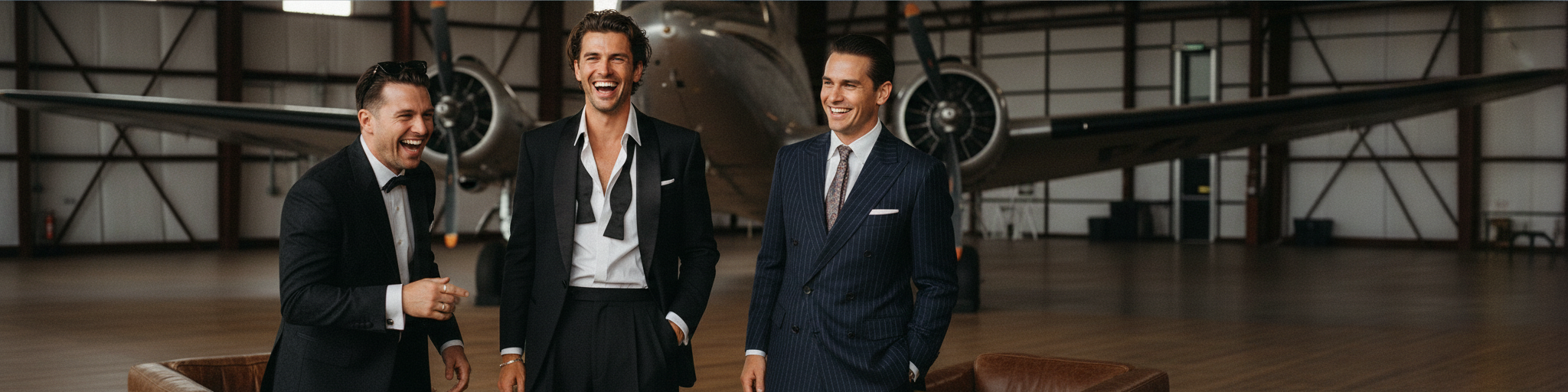
Black tie optional wedding dress code offers guests flexibility while maintaining formal elegance. This comprehensive guide helps men navigate the choice between a tuxedo and a dark formal suit, providing specific recommendations for both options. Learn the essential components of proper formal attire, from jacket selection and proper fit to appropriate accessories like bow ties, Oxford shoes, and cufflinks. The guide covers seasonal adaptations for summer and winter weddings, destination event considerations, and the timing differences between daytime and evening celebrations. Discover practical advice on renting versus buying, common styling mistakes to avoid, and how to tailor your outfit to different body types and venue requirements. Whether you're attending your first formal wedding or seeking to refine your black tie optional wardrobe, this guide ensures you'll dress appropriately while feeling confident and comfortable at any sophisticated celebration.
Introduction
Black tie optional strikes a perfect balance between formal elegance and practical considerations for wedding celebrations.
Deciphering the black tie optional wedding invitation
When you receive a wedding invitation marked 'black tie optional,' you're being invited to a sophisticated celebration with built-in flexibility. This dress code strikes a perfect balance between formal elegance and practical considerations—it's the couple's way of saying they'd love to see you in your finest while understanding that not everyone has black tie attire readily available. As your guide to navigating this dress code, we'll help you make the right choice between a tuxedo and a dark formal suit with tie. The key to remember? Despite the word 'optional,' this remains a decidedly formal event where casual elements like loafers or business casual suits simply won't make the cut. Your decision should consider both the timing and setting—an evening reception at a grand ballroom calls for maximum formality, while an afternoon garden ceremony may allow for slightly more relaxed interpretations.
The evolution and purpose of this flexible dress code
Black tie optional represents a modern evolution in wedding dress codes—a thoughtful bridge between timeless elegance and contemporary practicality. This flexibility acknowledges today's reality: while couples dream of the sophistication that comes with formal attire, they also understand that acquiring traditional black tie wear can be a significant investment. The rise of this dress code reflects how modern weddings balance aspiration with accessibility. Whether listed as 'black tie optional,' 'black tie preferred,' or 'black tie invited,' the message remains consistent—the couple envisions a highly formal celebration while offering guests the freedom to participate at their comfort level. This approach proves especially considerate for destination weddings or celebrations where guests might face challenges accessing formal wear. At The Black Tux, we've seen how this flexibility, combined with convenient rental options, has made formal celebrations more inclusive while maintaining their special atmosphere.
Understanding Black Tie Optional for Wedding Men
This flexible dress code gives you freedom to choose between tuxedo elegance and refined suit sophistication.
How it differs from strict black tie and other formal dress codes
Black tie optional represents a thoughtful balance in wedding dress codes, giving you the freedom to choose between traditional tuxedo elegance and refined suit sophistication. Unlike strict black tie's mandatory tuxedos and bow ties, this flexible approach acknowledges that not every guest needs to invest in full formal wear while still maintaining the event's elevated atmosphere.
The fundamental difference lies in acceptable options rather than required standards. Where black tie demands a tuxedo without exception, black tie optional extends your choices to include impeccably tailored dark suits - a distinction that matters both practically and financially. This positions the dress code strategically above cocktail attire's business-formal approach but with more accessibility than traditional black tie requirements.
Understanding these nuances helps you navigate the formality spectrum appropriately. While we'll explore the specific choice between tuxedo and suit options in detail below, recognize that black tie optional events maintain decidedly formal standards. Whether you're considering a navy suit rental or opting for traditional black tie, your attire should reflect the sophistication of the occasion - casual interpretations miss the mark entirely, regardless of that "optional" designation.
The Core Decision: Tuxedo vs. Dark Formal Suit
Choosing a tuxedo for a black-tie optional wedding makes the most sophisticated choice possible.
The classic tuxedo approach: When and why to choose it
When you choose a tuxedo for a black-tie optional wedding, you're making the most sophisticated choice possible. A classic black tuxedo with satin lapels, matching bow tie, and formal accessories demonstrates respect for the occasion while ensuring you'll never feel underdressed. This choice particularly shines at evening ceremonies in upscale venues, where the ambiance calls for maximum elegance. Consider that wedding parties typically wear tuxedos regardless of the guest dress code, so opting for one helps you blend seamlessly with the formal atmosphere. The tuxedo also photographs beautifully, ensuring you'll look timeless in wedding photos for years to come.
Dark suit alternatives: Making them formal enough for the occasion
If a tuxedo isn't in the cards, don't worry—a well-chosen dark suit can absolutely work for black-tie optional events. Here's how to nail the look:
Suit Selection: Choose charcoal, deep navy, or black to match the event's formality[9]. We recommend charcoal or navy over black, as they offer more versatility without the risk of looking too somber[10]. Stick with solid colors or, at most, a very subtle pattern like a faint windowpane[9]. Both single and double-breasted styles work well, with double-breasted adding a touch more formality[9].
Styling Your Suit: The secret to making a suit work lies in the details. Start with a crisp white dress shirt—French cuffs are a must for elevating the formality[9]. For your tie, select a dark silk option in sophisticated colors like burgundy, forest green, navy, or deep plum. Here's a crucial tip: never pair a black bow tie with a suit, as it creates an awkward tuxedo imitation[9].
Finishing Touches: Complete your look with black Oxford shoes—they're the gold standard for formal events. While very dark brown or oxblood can work if polished to perfection, black remains your safest bet[9]. Remember, the goal is creating a polished, formal ensemble that respects the occasion without trying to fake a tuxedo[11].
Key differences in styling each option appropriately
Understanding the styling distinctions between tuxedos and suits helps you execute either option flawlessly. With a tuxedo, embrace the traditional elements that make it special—the satin lapels, black bow tie, and patent leather shoes all work together to create maximum elegance[4].
For suits, success lies in the details that elevate formality: those French cuff shirts we mentioned, carefully chosen silk ties in rich colors (remember, no black bow ties with suits!), and impeccably polished black Oxfords[4]. The fundamental principle? Each option should stand confidently on its own merits—a tuxedo celebrates tradition, while a formal suit offers sophisticated flexibility without trying to imitate its more formal cousin.
Making your decision based on event specifics and personal style
Here's how to make the right choice for your specific situation:
Consider the Event Details: Evening ceremonies in upscale venues practically call out for a tuxedo—you'll show respect for the couple's vision while looking your absolute best[4]. For afternoon weddings or less formal venues, a sharp dark suit delivers appropriate sophistication without going overboard[8].
Factor in Practical Considerations: Think about the venue atmosphere—a grand ballroom suggests tuxedo territory, while a garden celebration might lean toward the suit option[4]. Also consider your budget and how often you'll wear formal attire. If you're attending multiple formal events, investing in or renting a quality tuxedo makes sense.
Trust Your Comfort Level: The best choice is one that makes you feel confident and ready to celebrate. Whether you opt for a tuxedo or a perfectly styled suit, your comfort and confidence will shine through[8]. Remember, couples who choose black-tie optional want their guests to feel elegant and included—they're offering flexibility because they understand not everyone has easy access to formal wear[4].
The bottom line? Both options work beautifully when executed well. Focus on quality, fit, and those important finishing touches we've outlined, and you'll be perfectly dressed for the celebration.
Essential Components and Proper Fit
Focus on achieving clean, modern lines that honor tradition while reflecting contemporary style.
Jacket and pant selection: Cuts, fabrics, and colors that work
As discussed in The Core Decision section, your choice between a tuxedo and dark suit sets the foundation—but the specific cut and construction details truly elevate your look. When you're selecting formal attire for black tie optional events, focus on achieving clean, modern lines that honor tradition while reflecting contemporary style. For jacket selection, you'll want a silhouette that flatters your frame without restricting movement. Whether you choose single or double-breasted styling, ensure the jacket length hits at your knuckles when your arms hang naturally, with shoulders that sit perfectly at your natural shoulder point. Trouser selection is equally crucial—opt for a flat front or minimal pleat design with a slight taper that creates a streamlined silhouette. The hem should break gently on your dress shoes, avoiding both excessive pooling and an overly cropped look that disrupts the formal aesthetic.
Shirt considerations: From traditional wing collars to modern spreads
The dress shirt collar frames your face and significantly impacts your overall appearance. For black tie optional events, a classic spread collar provides the most versatile and universally flattering option, accommodating both bow ties and neckties while sitting neatly under jacket lapels[9]. Wing collars, though traditionally reserved for white tie events, can add vintage elegance when paired with a tuxedo, though they should be approached with caution as they may appear overly formal[13]. When selecting collar height, consider that taller collars communicate increased formality and work well for evening events, while also requiring proper proportion to your neck length[13]. For those wearing suits rather than tuxedos, a moderate spread collar in white offers the ideal balance - avoid button-down or casual collar styles which would undermine the formality of the occasion[9]. French cuffs paired with an appropriately formal collar help elevate the overall sophistication, regardless of whether you choose a tuxedo or suit approach[9].
The importance of tailoring for different body types
Your body type should guide your formal wear choices, ensuring you look and feel confident throughout the celebration. For tall, slim builds, double-breasted dinner jackets add visual breadth while wider lapels create balance. If you're on the shorter side, you'll benefit from single-breasted jackets with lower button placement and peaked lapels to create the illusion of height—skip the turn-ups on trousers to maintain a lengthening line. Athletic builds look exceptional in well-fitted single-breasted jackets that showcase broad shoulders, paired with tapered trousers for proportional balance. For larger frames, single-button jackets with proportionate peak lapels create a flattering V-shape silhouette, while flat-front trousers with slight tapering streamline your overall appearance. Pear-shaped figures benefit from structured shoulders and peak lapels that draw the eye upward, with a cummerbund providing a smooth transition between jacket and trousers.
Remember, these guidelines work best when combined with expert tailoring. Whether you're renting or purchasing, professional fitting ensures your formal wear drapes properly and moves with you naturally. At The Black Tux, our showroom specialists can help you achieve the perfect fit, or you can use our online fit tools to ensure your rental arrives tailored to your measurements.
Accessorizing with Purpose and Elegance
Neckwear choice requires careful consideration to maintain formality without mimicking strict black tie attire.
Neckwear: Bow ties vs. neckties for black tie optional events
For black tie optional events, neckwear choice requires careful consideration to maintain formality without mimicking strict black tie attire. When wearing a dark suit rather than a tuxedo, avoid black bow ties entirely, as these should be reserved for actual tuxedos to prevent looking like an imitation[4]. Instead, opt for dark silk neckties or bow ties in sophisticated colors like burgundy, navy, forest green, or deep plum[9]. The tie's fabric should be smooth silk for maximum formality, though subtle textures like shantung silk or wool grenadine can work if understated[9]. Small, discreet patterns are acceptable, but solid colors present the most refined option[9]. Regardless of style choice, wearing some form of neckwear is mandatory - going tieless would be too informal for an event of this nature[9].
Footwear fundamentals: Oxford shoes and appropriate alternatives
Black Oxford shoes represent the ideal footwear choice for black tie optional events, with plain toe styles being most formal, though conservative cap toes work equally well[9]. While black derby shoes can function as an acceptable alternative when well-polished and conservatively styled, their open lacing makes them slightly less formal than Oxfords[9]. For those seeking alternatives, shoes in very deep oxblood or dark brown can work if polished to a mirror shine, though black remains the safest choice[9]. The key is maintaining formality - avoid brown derby shoes entirely, as they'll clash with the black Oxfords and formal shoes worn by other guests[9]. Socks should match trouser color or, for a subtle creative touch, echo the dark shade of your tie, while avoiding bright colors or patterns[9]. For maximum sophistication, consider black silk evening socks, which provide the most dignified finishing touch to your formal footwear[9].
Jewelry and metals: Cufflinks, watches, and other refined details
Jewelry and metal accessories provide refined finishing touches that elevate black tie attire. Cufflinks should be double-sided rather than t-bar style, crafted from precious or semi-precious materials like gold, platinum, onyx, or mother-of-pearl[15]. For maximum sophistication, select cufflinks and shirt studs as a matching set in classic metals that coordinate with other accessories[15]. Watches require careful consideration - despite high price tags, heavily decorated timepieces can appear flashy and inappropriate. Instead, choose a slim dress watch with minimal markings and a black leather band that complements the refined minimalism of black tie[15]. For rings, tradition allows one per hand, such as a signet or pinky ring, unless stacking multiple rings on a single finger[15]. The metal trim of all accessories should coordinate, creating a cohesive look[16]. While these details may seem minor, they demonstrate attention to formal etiquette and enhance the overall polish of black tie attire[17].
Color integration: When to add personality and when to stay traditional
While black tie optional demands formality, there are strategic ways to incorporate color and personality. For tuxedos and suits, deep jewel tones like burgundy, forest green, and navy blue offer sophisticated alternatives to black while maintaining elegance[9]. Accessories provide the safest avenue for personal expression - consider dark silk ties in plum or burgundy rather than standard black, or add subtle texture through shantung silk or wool grenadine fabrics[9]. For formal events, stick to understated patterns and darker monochromatic colors in ties and pocket squares, avoiding anything flashy or overly whimsical[4]. The venue and timing influence appropriate color choices - evening receptions in luxury venues call for darker, more conservative palettes, while daytime garden ceremonies allow slightly more flexibility with color[4]. When adding personality through accessories like cufflinks or boutonnieres, maintain sophistication by choosing classic metals and avoiding novelty designs or logos[9]. The goal is expressing individual style while respecting the formality - small touches of color through carefully chosen accessories make more impact than bold statement pieces[9].
Seasonal and Venue Adaptations
Summer black tie events call for smart fabric choices that balance comfort with sophistication.
Summer wedding considerations: Lightweight fabrics and color options
Summer black tie events call for smart fabric choices that balance comfort with sophistication. When selecting your formal attire for warmer weather, lightweight mohair blends prove ideal - they breathe naturally while maintaining the sharp drape you need for formal occasions[18]. A quality lightweight wool remains another excellent choice, offering comfort without sacrificing that polished black tie look[18].
For tropical or Mediterranean destination weddings, consider fabrics specifically designed for heat management. While these lighter materials may lack the traditional sheen of heavier evening wear, they'll keep you looking composed throughout the celebration[18]. If you're attending an outdoor summer evening event, cream dinner jackets offer a stylish alternative - just remember to pair them with traditional black trousers for proper formal balance[19]. Single-breasted jackets typically provide better ventilation than their double-breasted counterparts, making them a practical choice when paired with a cummerbund[18].
Winter formal attire: Texture, layering, and outerwear solutions
Winter weddings present unique opportunities to embrace rich textures and sophisticated layering. As discussed in The Core Decision section, wool and velvet make excellent choices for cold-weather formal events, providing both warmth and luxurious appeal[4].
Your outerwear deserves special attention - a well-structured dark wool overcoat serves as the perfect complement to both tuxedos and formal suits. Look for classic styles that won't overwhelm your formal attire when you arrive at the venue[9]. Winter also invites subtle texture play through your accessories. Consider incorporating wool grenadine ties or textured silk bow ties that add visual interest while maintaining the event's formal standards[9]. These thoughtful details help you stay warm without sacrificing the polished appearance black tie optional demands.
Destination wedding adjustments: Adapting to climate and location
Destination weddings challenge you to adapt your formal attire to unique settings while respecting black tie optional standards. For beach or tropical celebrations, prioritize breathable fabrics that maintain their shape in humidity - our white dinner jackets offer an elegant solution for warm-weather formal events[20].
When traveling for a wedding, consider the logistics of transporting formal wear. Renting at your destination eliminates packing concerns while ensuring your attire arrives in pristine condition. Mountain or cooler destination weddings may call for heavier fabrics and the option to incorporate sophisticated outerwear into your ensemble. Research the venue's specific requirements - some historic estates or religious sites may have additional dress code considerations beyond the standard black tie optional guidelines[21].
Daytime vs. evening variations in black tie optional standards
As covered in The Core Decision section, timing plays a crucial role in your black tie optional choices. Daytime ceremonies offer slightly more flexibility - you can confidently wear a charcoal or navy suit while maintaining appropriate formality[3]. Evening celebrations, however, call for elevated sophistication, making tuxedos the more suitable choice[4].
The venue atmosphere amplifies these timing considerations. A grand ballroom evening wedding demands your most formal interpretation of the dress code, while an afternoon garden ceremony allows for lighter fabrics and colors within formal parameters[3]. Whatever the timing, remember that black tie optional always requires polished, refined attire - the "optional" refers to tuxedo choice, not formality level.
Practical Preparation and Common Pitfalls
Modern rental services have revolutionized formal wear access with professional fitting and convenient delivery options.
Buying vs. renting: Making the smart investment for your situation
Choosing between renting and purchasing formal attire requires careful consideration of both your immediate needs and long-term formal wear requirements. Modern rental services have revolutionized the industry, offering premium garments at a fraction of purchase price—typically around $200 for a complete ensemble versus $700-$1,000 for a new tuxedo[22].
For those attending formal events twice yearly or less, renting provides the most cost-effective solution. However, if you're regularly invited to black-tie optional events—say, four or more annually—purchasing becomes the smarter investment after about two uses[23]. Consider your lifestyle stability too: weight fluctuations can render an expensive tuxedo unwearable, while rental services adapt to your current measurements[23].
The advantages of purchasing include perfect tailoring to your specifications and having formal wear ready at a moment's notice. You'll also build a collection that reflects your personal style over time[24]. Renting, conversely, offers access to current styles, eliminates storage and maintenance concerns, and provides complete packages including all necessary accessories. For destination weddings, rental delivery to your hotel removes travel hassles entirely.
Common styling mistakes that undermine your look
Understanding what not to wear proves just as crucial as knowing appropriate attire. The most fundamental mistake involves misinterpreting "optional" as permission for casualness - athletic wear, jeans, or sneakers have no place at these sophisticated celebrations[24]. Even business casual staples like khakis or blazers without ties fall short of the required formality.
Common accessory missteps include selecting novelty cufflinks, oversized watches, or flashy jewelry that detracts from refined elegance. Instead, choose understated pieces that complement rather than compete with your formal ensemble. Classic silver or gold cufflinks, a slim dress watch with leather band, and minimal rings create the appropriate sophisticated finish[24].
Another frequent error involves attempting to dress down formal pieces - removing the tie from a dark suit or wearing loafers instead of proper dress shoes. These choices signal a misunderstanding of the event's formality level. As discussed in earlier sections, maintaining complete formal attire demonstrates respect for the couple's vision of their celebration.
The golden rule remains simple: when uncertain, choose the more formal option. A properly styled dark suit with conservative tie and polished Oxford shoes will always be appropriate, while underdressing risks appearing disrespectful of the occasion's significance[24]. Your goal is seamless integration into the elegant atmosphere the couple has carefully crafted for their special day.
- Black tie optional allows flexibility between wearing a tuxedo or a dark formal suit, but maintains high formality standards
- Evening ceremonies at upscale venues call for tuxedos, while afternoon or garden weddings suit dark formal suits
- For suits, stick to charcoal, navy, or black with white dress shirts, French cuffs, and silk ties in rich colors
- Essential accessories include black Oxford shoes, understated cufflinks, and slim dress watches with leather bands
- Summer events benefit from lightweight fabrics like mohair blends, while winter allows for rich textures like velvet
- Common mistakes include wearing pre-tied bow ties, attempting to dress down formal pieces, or choosing casual footwear
- Renting makes sense for occasional wear (under 2 events yearly), while purchasing pays off at 4+ annual events
- When in doubt, opt for the more formal choice - it's better to be slightly overdressed than underdressed
- https://www.greenvelope.com/blog/black-tie-optional-wedding
- https://www.theknot.com/content/wedding-website-dress-code
- https://www.brides.com/story/wedding-dress-code-explained
- https://www.theknot.com/content/what-to-wear-formal-black-tie-optional-black-tie-invited
- https://www.brides.com/black-tie-optional-wedding-attire-4800698
- https://www.gentlemansgazette.com/tuxedo-black-tie-guide/etiquette/black-tie-optional-dress-code/
- https://www.gentlemansgazette.com/shirt-collar-styles-a-complete-guide/
- https://thevou.com/blog/black-tie-optional-dress-code-men/
- https://www.gentlemansgazette.com/black-tie-optional-dress-code/
- https://theblacktux.com/blogs/guides/black-tie-optional-dress-code
- https://theblacktux.com/blogs/guides/the-complete-guide-to-formal-attire-for-men-what-to-wear-and-when
- https://thevou.com/blog/black-tie-dress-code-styling-guide-men/
- https://www.gentlemansgazette.com/shirt-collar-styles-a-complete-guide/
- https://thevou.com/blog/black-tie-optional-dress-code-men/
- https://www.gentlemansgazette.com/tuxedo-black-tie-guide/classic/tuxedo-accessories-cufflinks-studs/
- https://theblacktux.com/blogs/guides/the-complete-guide-to-formal-attire-for-men-what-to-wear-and-when
- https://thevou.com/blog/black-tie-dress-code-styling-guide-men/
- https://www.permanentstyle.com/2020/09/the-guide-to-cloth-for-black-tie-or-tuxedo.html
- https://www.theknot.com/content/mens-wedding-guest-attire-summer
- https://paradiseweddings.com/blog/destination-wedding-attire-guide/
- https://paradiseweddings.com/blog/destination-wedding-attire-guide/
- https://www.theknot.com/content/tuxedo-online-rental-review
- https://www.weddingwire.com/wedding-ideas/renting-vs-buying-your-wedding-tuxedo
- https://weddingswithjoy.com/rent-vs-buy-wedding-suit-tuxedo-pacific-northwest-groom-groomsmen/


