

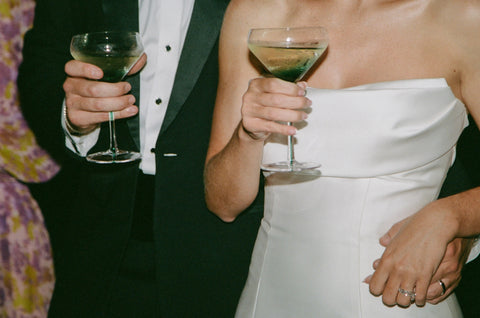


Formal Wedding Guest Attire: What Men Should Wear

Formal wedding guest attire requires understanding dress codes, seasonal considerations, and venue-specific requirements. This comprehensive guide covers everything from ultra-formal white tie to relaxed cocktail attire, helping men navigate the complexities of wedding fashion. Learn the essential components of formal wear, including when to choose tuxedos versus suits, proper accessories, and the importance of tailoring. Discover seasonal adaptations for summer linen suits and winter wool options, plus venue-specific guidelines for ballroom, outdoor, and religious ceremonies. Master the art of adding personal style while respecting formal parameters, and avoid common mistakes that undermine wedding etiquette.
Introduction
The Importance of Appropriate Formal Wedding Guest Attire
Your choice of attire as a wedding guest directly impacts the ceremony's atmosphere and shows respect for the couple's vision. Wedding attire should reflect both the serious nature of the ceremony and the celebratory spirit of the occasion, particularly when formal dress is requested [1]. The right formal attire demonstrates consideration for the venue, which may include houses of worship, and contributes to the event's overall aesthetic [2]. Understanding and executing formal wedding attire properly isn't just about following rules—it's about honoring one of life's most significant celebrations while ensuring you look and feel your absolute best. Whether you're considering a tuxedo rental or purchasing your first formal suit, this guide will help you make confident choices for any wedding celebration.
Navigating Wedding Invitation Dress Codes
Wedding invitations often include specific dress code language that requires careful interpretation. The most common dress codes range from white tie (ultra-formal) to casual, with formal attire being the most frequently requested [4]. When you receive an invitation, first check the couple's wedding website for detailed dress code guidance and any theme-specific requirements [5]. If no dress code is explicitly stated, use context clues from the invitation style, venue, and ceremony type to determine appropriate attire. Remember, when in doubt, it's always better to be slightly overdressed than underdressed. This guide will walk you through every formal dress code variation, from the ultra-elegant white tie to the more flexible formal attire, ensuring you make the right impression at any wedding celebration.
Decoding Formal Wedding Dress Codes
White tie represents the pinnacle of formal dress codes, requiring a black tailcoat, white piqué waistcoat, and patent leather shoes.
White Tie: Ultra-Formal Elegance
White tie represents the pinnacle of formal dress codes, traditionally reserved for state dinners, royal galas, and the most elegant weddings [6]. For men, the requirements are precise and non-negotiable: you'll need a black tailcoat with tails, white piqué waistcoat, white bow tie, formal white shirt with winged collar, and patent leather shoes [7]. The tailcoat must be properly fitted and crafted from high-quality materials - this ultra-formal occasion demands the finest formal wear available [7]. Women must wear floor-length evening gowns in luxurious fabrics like silk or satin, with no exceptions for shorter lengths [6]. The gown should sweep the floor and feature sophisticated styling, though women have more flexibility in color and design choices than men [7]. Unlike black tie, which allows some modern interpretation, white tie demands absolute adherence to traditional formal wear rules - think royal court functions or presidential state dinners [7].
Black Tie: Classic Evening Formality
Black tie represents the classic standard for formal evening events, requiring men to wear a tuxedo with specific components. The essential elements include a black or midnight blue dinner jacket with satin or grosgrain lapels, matching trousers with a satin stripe, and a black bow tie [8]. While traditional black remains the most common choice, midnight blue has gained popularity as it actually appears darker than black under artificial light [9]. The dress shirt should be white with either a wing collar or turndown collar, featuring studs and cufflinks for closure. Black tie events typically begin after 6 PM, reinforcing the evening-specific nature of this dress code [10]. Women should wear floor-length gowns in elegant fabrics, though sophisticated cocktail dresses may be acceptable at less traditional venues. The key to black tie success lies in attention to detail - from perfectly polished patent leather shoes to a properly tied bow tie, every element contributes to the overall sophistication required for these special occasions.
Black Tie Optional: Navigating the Middle Ground
Black tie optional gives you flexibility while maintaining formality - tuxedos are encouraged but not mandatory. This dress code means you can either wear a full tuxedo with black bow tie and patent leather shoes, or choose a dark formal suit with a white dress shirt and conservative tie [11]. The key is committing fully to your choice - whether that's a properly fitted tuxedo or a well-tailored dark suit in black, navy, or charcoal [12]. When deciding between a tux and suit, remember that the couple and wedding party will likely be in black tie attire, making a tuxedo the more courteous choice [11]. You might see variations like 'black tie preferred' or 'black tie encouraged' on invitations, indicating the hosts' preference for formal evening wear while accommodating guests who may not have access to a tuxedo [11]. For more guidance on choosing between tuxedos and suits, see our detailed comparison in the Essential Components section.
Formal Attire vs. Black Tie: Understanding the Distinction
While formal and black tie dress codes both require sophisticated attire, they have distinct requirements that guide your wardrobe choices. Formal attire offers you more flexibility, allowing dark suits in black, navy, or charcoal paired with either a bow tie or necktie. This dress code lets you express personal style through varied colors, patterns, and accessories while maintaining an elegant appearance [13]. Black tie, in contrast, follows stricter traditional rules - requiring a black dinner jacket or tuxedo with matching trousers, white dress shirt, and specifically a black bow tie [13]. The key distinction lies in versatility: formal attire welcomes a broader color palette and accessory choices, while black tie demands adherence to classic black and white combinations [13]. Your footwear choices also differ - formal events allow polished black or brown leather shoes, while black tie specifically calls for black patent leather [13]. When you're uncertain about dress code requirements, don't hesitate to reach out to the hosts for clarity - though when in doubt, it's always better to be slightly overdressed than underdressed [13].
Essential Components of Men's Formal Wedding Attire
The key distinguishing feature between tuxedos and suits is the satin detailing on lapels, buttons, and trouser stripes.
Tuxedos vs. Formal Suits: When to Wear Each
The choice between a tuxedo and formal suit depends primarily on the wedding's dress code and timing. As discussed in our dress code breakdown above, tuxedos are mandatory for white-tie and black-tie events, while black-tie optional gives you the flexibility to choose - though a tuxedo remains the more courteous selection. The key distinguishing feature? Tuxedos showcase satin detailing on the lapels, buttons, or trouser stripes, while suits offer more versatility in fabric and styling options [14]. Evening events starting after 6 PM traditionally call for tuxedos, while daytime ceremonies are better suited for formal suits regardless of dress code [14]. When selecting a formal suit, you'll want to stick with dark colors like black, navy, or charcoal paired with a crisp white shirt and conservative tie. Cost considerations may influence your decision - quality tuxedos typically start around $400 while entry-level suits begin near $200, though renting formal wear offers an affordable alternative for occasional use.
Dress Shirts, Ties, and Bow Ties for Formal Weddings
Your dress shirt forms the foundation of formal wedding attire, with specific requirements varying by formality level. As outlined in our dress code section, each level has distinct shirt requirements - from the winged collar mandatory for white tie to the flexibility offered by formal attire. For most formal weddings, you'll want a crisp white dress shirt with either spread or point collars, though wing-tip styling adds extra sophistication for black-tie events.
When it comes to neckwear, your choices depend on the dress code: formal attire allows you to choose between a bow tie or necktie in conservative colors and patterns, giving you room for personal expression while maintaining elegance. Pro tip: French cuff shirts with cufflinks add an elevated touch to any formal ensemble - just ensure the cuff extends slightly past your jacket sleeve to properly showcase these refined accessories. The key is selecting shirt and tie combinations that maintain formality while creating a cohesive, polished look from collar to cuff.
Appropriate Footwear and Accessories
Proper footwear and accessories complete a formal wedding ensemble while demonstrating attention to detail. For black tie events, black patent leather shoes or high-quality black leather dress shoes paired with dark over-the-calf socks are essential [15]. French cuff shirts should be worn with cufflinks, ensuring the cuff extends slightly past the jacket sleeve to display these elegant accessories [15]. The fundamental rule for formal shoes is they should be darker than your suit - black shoes are mandatory with black suits, while dark brown or black options work well with gray, blue, or olive suits [15]. For accessories, match your leather pieces carefully - your belt should use the exact same leather as your shoes, and your watch strap should coordinate closely if worn [15]. When selecting formal shoes, consider the cap-toe oxford as a quintessential choice that pairs seamlessly with suits across formality levels [15]. For winter weddings, dress boots with leather soles in darker colors provide a sophisticated alternative, while summer events allow for lighter brown shades and suede options [15]. Avoid casual footwear like sneakers or flip-flops regardless of venue - even beach weddings call for proper dress shoes or elegant loafers [15].
Tailoring and Fit: The Foundation of Impressive Formal Wear
Proper fit transforms a suit from basic formalwear into an elegant statement piece. A well-fitted suit enhances your physique while ensuring comfort and freedom of movement throughout extended wedding celebrations [16]. The most essential alterations focus on three key areas: jacket modifications to achieve a sleek silhouette through the chest and shoulders, pant adjustments for comfort and proper draping, and precise sleeve lengths to showcase accessories like cufflinks [16]. Expert tailors can modernize even inherited suits through strategic adjustments to shoulder padding, lapel width, and hemlines [16]. While basic alterations like pant hems and sleeve adjustments typically cost $100-150, more extensive resizing may range up to $300 [16]. For optimal results, schedule fittings well in advance of the wedding date, as multiple adjustments may be needed to achieve the perfect fit [16]. When selecting a tailor, evaluate their ability to clearly explain proposed alterations and willingness to incorporate your preferences into the final product [16]. The investment in proper tailoring pays dividends in both appearance and confidence - a precisely fitted suit allows you to move comfortably while maintaining an elegant profile from the ceremony through the last dance [16].
Seasonal and Time Considerations for Formal Wedding Guests
Daytime ceremonies offer flexibility to wear well-tailored dark suits, while evening events after 6 PM traditionally call for tuxedos.
Daytime vs. Evening Formal Attire Differences
When determining your formal wedding attire, timing plays a crucial role in your style choices. As outlined in the dress code sections above, daytime ceremonies offer more flexibility - you can confidently wear a well-tailored dark suit instead of a tuxedo, paired with a crisp white shirt and conservative tie. Once evening arrives (typically after 6 PM), the formality elevates, and tuxedos become the preferred choice, especially in classic black or sophisticated midnight blue [4].
The key to mastering time-appropriate formal wear lies in understanding these subtle shifts. Daytime events welcome lighter fabrics and brighter colors that complement natural lighting, while evening celebrations call for the drama of darker shades and luxurious materials. If you're navigating an afternoon ceremony that extends into evening, a versatile dark suit provides the perfect solution - formal enough for photos yet comfortable for dancing [3].
Summer Formal Weddings: Fabrics and Style Adaptations
Summer formal weddings present a unique challenge - how to look impeccably dressed while staying comfortable in the heat. Your fabric choice makes all the difference here. Linen leads the pack with its exceptional breathability and moisture-wicking properties, though you'll need to embrace its natural tendency to wrinkle as part of the relaxed elegance [17]. Cotton suits deliver that crisp, polished appearance perfect for outdoor ceremonies, while seersucker brings a classic Southern charm to garden parties [18].
When it comes to color, think strategically about the sun. Light neutrals like beige and cream actually reflect heat, keeping you cooler throughout those extended photo sessions. For a more romantic touch that photographs beautifully, consider pastels - a light blue suit paired with a white shirt creates an effortlessly elegant summer look. Don't forget the practical details: lightweight wool suits offer surprising breathability while maintaining their shape better than pure linen [19]. Whatever fabric you choose, ensure proper fit - summer suits should have a slightly relaxed cut to allow air circulation without sacrificing that sharp, formal silhouette.
Fall and Winter Formal Attire: Texture and Layering
Fall and winter weddings invite you to embrace luxurious fabrics and sophisticated layering techniques. This is your opportunity to wear those substantial wool suits - think flannel for its soft warmth or tweed for its distinguished texture. These heavier-weight materials not only provide insulation but also photograph beautifully against autumn foliage or winter landscapes.
Your color palette should reflect the season's richness. Deep, saturated tones like charcoal, navy, and burgundy create a sophisticated presence that complements both indoor ballrooms and outdoor ceremonies. The three-piece suit truly shines during colder months - that waistcoat adds both warmth and an extra layer of formality that elevates your entire look.
For those chilly outdoor moments, invest in proper formal outerwear. A well-fitted wool or cashmere overcoat in a color that coordinates with your suit makes all the difference. Add refined accessories like leather gloves and a silk scarf for functional elegance. Remember, even if the ceremony is outdoors, maintain those formal standards - save the ski jacket for the slopes and opt for sophisticated layers that honor the occasion.
Spring Formal Wedding Guest Options
Spring brings renewal to your formal wardrobe with fresh colors and lighter fabrics perfect for the season's unpredictable weather. This is when linen and cotton suits truly excel - offering breathability for those surprisingly warm afternoons while maintaining the polished look formal weddings require [20].
Embrace spring's palette with confidence. Those light neutrals and pastels you've been waiting to wear? Now's your moment. Baby blue, mint green, and blush pink not only capture the season's romantic atmosphere but also photograph beautifully against blooming gardens and fresh greenery [20]. Add personality through carefully chosen accessories - a floral pocket square or subtly patterned tie brings seasonal flair without compromising sophistication.
The beauty of spring formal wear lies in its versatility. A well-chosen light blue or tan suit in a breathable fabric transitions seamlessly from afternoon garden ceremonies to evening receptions. Just remember to adjust your color intensity based on timing - as discussed in our dress code guide, evening events still call for deeper tones [20]. Complete your look with appropriate footwear (detailed in our accessories section), opting for lighter leather shades or quality suede for daytime celebrations.
Venue-Specific Formal Attire Guidelines
Ballroom weddings demand elevated formal attire with dark suits in navy, charcoal, or black, paired with refined accessories.
Ballroom and Hotel Formal Wedding Considerations
Ballroom and hotel weddings demand elevated formal attire that matches these sophisticated venues' grandeur. For men, a dark suit in navy, charcoal, or black serves as your foundation—choose high-quality wool or wool-blend fabrics for a refined silhouette [21]. These elegant venues typically call for black-tie optional or formal dress codes, making a classic tuxedo an excellent choice. For footwear, choose classic oxford or derby shoes in black patent leather—they're ideal for navigating polished ballroom floors while maintaining your formal look [21]. Remember that accessories should complement, not compete with, the venue's elegance. Select refined pieces that enhance your formal attire without drawing attention from the couple or the sophisticated surroundings [22].
Outdoor Formal Wedding Attire Adaptations
Outdoor formal weddings require thoughtful adaptations to maintain elegance while ensuring comfort. As covered in our seasonal attire sections, lightweight fabrics are essential for outdoor events [23]. A navy suit offers a classic, elegant option that stands out appropriately without overshadowing the wedding party, while lighter colors help you stay comfortable in outdoor settings [23]. For cocktail dress codes at outdoor venues, consider a refined suit in light neutral shades that maintains polish while adapting to the environment [24]. Footwear selection demands special attention for outdoor venues. Choose leather dress shoes for lawn events or refined loafers for garden settings—always ensuring they're darker than your suit to maintain formality [23]. When accessorizing, balance practicality with sophistication. A well-chosen pocket square adds elegance without sacrificing comfort [24]. For evening outdoor ceremonies, elevate your formality with darker colors and structured suiting, following the evening guidelines discussed in our time-based attire section [24].
Religious Venue Formality Requirements
Religious venues demand heightened attention to modesty and formality in your wedding attire. For Catholic churches, prioritize conservative coverage—avoid plunging necklines, short hemlines, and exposed shoulders during the ceremony [25]. Men should wear dark suits with collared dress shirts for religious ceremonies [26]. Many churches expect covered shoulders during the service—bring a blazer even if you plan to remove it at the reception [26]. Most traditional religious venues require semi-formal to formal attire that demonstrates respect for the sacred space [26]. When uncertain about specific requirements, check the venue's website or contact their office directly for guidance [25]. Focus on modest elegance: select refined fabrics and classic silhouettes that maintain formality without drawing undue attention in the religious setting [26].
Destination Formal Weddings: Balancing Location and Dress Code
Destination formal weddings require you to balance location-specific considerations with traditional dress codes. For beach formal events, wear lightweight suits in breathable fabrics, opting for muted colors like light blue or tan rather than dark shades [4]. Choose elegant yet practical pieces that adapt to the destination's climate. For beach venues, skip stilettos in favor of dressy flats or wedges that navigate sand gracefully [27]. Indoor resort venues like ballrooms require stricter adherence to formal dress codes—wear proper dark suits with ties, following traditional formal guidelines [4]. Religious destination ceremonies add modesty requirements to location considerations, as discussed in our religious venue section above [27]. Pack versatile formal pieces that adapt to both ceremony and reception venues while accounting for your destination's unique climate challenges [4].
Adding Personal Style While Maintaining Formality
Navy provides versatile sophistication across seasons while burgundy adds refined personality to autumn weddings.
Color Choices for Men at Formal Weddings
Color choices for formal wedding attire require careful consideration of dress codes, timing, and venue. For black tie events, a classic black tuxedo remains the standard, though midnight blue tuxedos offer sophisticated alternatives that actually appear darker than black under artificial light [28]. When the dress code allows more flexibility, navy provides versatile sophistication across all seasons, while charcoal gray offers understated elegance. For spring and summer weddings, lighter shades like tan, light gray, or even subtle pastels can work beautifully, particularly for daytime celebrations. Deep jewel tones like burgundy or forest green add refined personality to autumn weddings without straying from formal parameters. The key is ensuring your color choice enhances rather than distracts - save bold patterns and bright colors for less formal occasions, focusing instead on rich, saturated hues that photograph well and complement the wedding's overall aesthetic.
Statement Accessories Within Formal Parameters
Statement accessories offer the perfect opportunity to add personality while maintaining formal standards. As covered in the Essential Components section, cufflinks paired with French cuff shirts create an elegant focal point—just ensure your cuff extends slightly past the jacket sleeve to properly display these refined pieces.
Your accessory choices should enhance, not overwhelm, your formal ensemble. A silk pocket square with subtle geometric patterns, a textured tie in deep jewel tones, or an elegant dress watch can express your individual style while respecting the event's formality [29]. When the dress code allows for more creativity—such as "festive" or "creative formal"—you have more freedom to experiment with bolder pocket squares, patterned ties, or unique cufflinks.
The key is maintaining balance: choose one or two statement pieces rather than overwhelming your look with multiple bold accessories. Remember, your goal is to look polished and wedding-appropriate while adding touches that make the outfit uniquely yours.
Modern Interpretations of Traditional Formal Wear
Modern formal wear allows thoughtful personalization while maintaining traditional elegance. For a contemporary take on classic formality, consider updating your tuxedo choice—a navy dinner jacket with contrast shawl lapels offers a fresh alternative to standard black while maintaining complete formality.
Some modern interpretations push boundaries more boldly. The emerging trend of pairing clean, minimalist sneakers with well-tailored suits can work for creative or outdoor celebrations, though this requires careful execution [30]. Choose Oxford-style sneakers in pristine white and ensure your suit fits impeccably. The Italian-inspired approach of wearing high-quality leather loafers with tailored suits offers an effortlessly sophisticated middle ground—perfect for cocktail or semi-formal dress codes.
For artistic or themed weddings, express creativity through thoughtful details rather than dramatic departures from tradition. Patterned socks that peek out when seated, distinctive cufflinks that spark conversation, or a suit in an unexpected texture like fine corduroy can all make sophisticated statements [30]. The secret to modern formal wear? Impeccable fit and quality fabrics that honor tradition while reflecting contemporary style.
What to Avoid: Common Formal Wedding Guest Mistakes
Understanding what to avoid is just as important as knowing what to wear. First and foremost, leave all denim at home—even your most expensive jeans have no place at a formal wedding unless you're specifically attending a casual or themed event [31]. Similarly, skip the t-shirts, no matter how designer they might be. Formal occasions demand proper collared dress shirts, period.
One of the biggest mistakes? Attempting to outshine the wedding party. Your goal is to look polished and appropriate, not to steal attention from the couple's special day [31]. This means avoiding flashy colors, overly bold patterns, or attention-seeking accessories at black tie events. Stick to classic, refined choices that show respect for the occasion [32].
When you're uncertain about the dress code, don't guess—check the couple's wedding website or reach out directly for clarification. It's always better to ask than to show up inappropriately dressed. And remember the cardinal rule: never wear all-white suits or dinner jackets unless you've explicitly cleared it with the couple. White dress shirts under your suit or tuxedo? Always appropriate. An all-white ensemble? Never, unless specifically requested.
As detailed in our Footwear section, your shoe choice matters too. For outdoor events, skip impractical options that might sink into grass or struggle on uneven terrain. Choose formal footwear that's both elegant and venue-appropriate.
Conclusion
Key Takeaways for Formal Wedding Guest Attire
Understanding formal wedding attire doesn't have to feel overwhelming. The essential approach is matching your outfit to the specified dress code while considering the venue and timing. As we've discussed in the dress codes section, each formality level has clear guidelines - from the ultra-formal white tie to the more flexible cocktail attire. The most important takeaway? When in doubt, it's always better to be slightly overdressed than underdressed for a wedding celebration. Check the couple's wedding website for specific guidance, and remember that proper fit and tailoring transform any formal outfit from adequate to exceptional. Your goal is to honor the couple's special day while feeling confident and comfortable throughout the celebration.
Making a Positive Impression as a Well-Dressed Guest
Making a positive impression as a wedding guest requires thoughtful attention to both dress code requirements and personal presentation. A well-tailored suit in classic colors like navy, charcoal, or grey forms the foundation of an elegant appearance, while ensuring proper fit communicates respect for the occasion [35]. When selecting accessories, use them strategically to enhance rather than dominate your ensemble - a silk pocket square, refined cufflinks, or tasteful tie can elevate your look while maintaining appropriate formality [35]. For evening events, consider sophisticated statement pieces like a printed silk evening scarf to add refined elegance without overshadowing the wedding party [36]. The key is coordinating all elements thoughtfully - from polished leather dress shoes that complement your suit color to ensuring accessories work in harmony rather than competition [36]. Remember that your attire reflects both your personal style and your respect for the couple's special day, making it essential to balance individual expression with occasion-appropriate formality [36].
Options for Purchasing or Renting Quality Formal Attire
When it comes to securing your formal wedding attire, you have two main paths: purchasing or renting. Modern tuxedo and suit rental services offer convenience and cost-effectiveness, with average rental prices around $200 compared to purchase prices ranging from $700-$1,000+ for quality tuxedos [37]. Renting makes particular sense for tuxedos, which most men wear infrequently, while purchasing a versatile dark suit provides long-term value for multiple occasions [38]. Consider your lifestyle and upcoming events - if you attend several formal occasions annually, investing in a well-fitted tuxedo or formal suit pays dividends in both convenience and confidence. For one-time events or evolving body shapes, rental services provide access to current styles and professional fitting without the commitment. Whether renting or buying, prioritize proper fit through professional alterations - this single factor transforms ordinary formal wear into exceptional wedding guest attire that honors the couple's special celebration.
- Always match your attire to the specified dress code - white tie requires a tailcoat, black tie demands a tuxedo, while formal allows dark suits
- Evening events after 6 PM call for more formal attire (tuxedos) while daytime ceremonies allow well-tailored dark suits
- Choose season-appropriate fabrics - lightweight linen and cotton for summer, substantial wool and tweed for fall/winter
- Venue matters - religious ceremonies require conservative attire, outdoor events need practical footwear, ballrooms demand elevated formality
- Proper fit transforms any formal outfit - invest in tailoring for jacket silhouette, trouser length, and sleeve adjustments
- Accessories should enhance, not dominate - French cuffs with cufflinks, leather pieces that match, and understated pocket squares
- Avoid common mistakes like wearing jeans, pre-tied bow ties, or attempting to outshine the wedding party
- When uncertain, err on the side of being overdressed and consult the couple's wedding website for guidance
- https://emilypost.com/advice/wedding-guest-attire
- https://allurebridals.com/blogs/inspiration/wedding-guest-etiquette-what-to-wear-depending-on-dress-code
- https://www.theknot.com/content/formal-wedding-attire
- https://www.brides.com/story/wedding-dress-code-explained
- https://www.theknot.com/content/wedding-dress-code-for-guys
- https://www.theknot.com/content/white-tie-wedding
- https://lxmpls.com/white-tie-wedding-dress-code/
- https://www.zola.com/expert-advice/how-should-men-dress-for-a-black-tie-wedding
- https://www.theknot.com/content/what-to-wear-black-tie
- https://www.brides.com/story/black-tie-wedding-guest-dress-code-long-gowns
- https://www.theknot.com/content/what-to-wear-formal-black-tie-optional-black-tie-invited
- https://theblacktux.com/blogs/guides/black-tie-optional-wedding-attire
- https://www.otaa.com/pages/the-difference-between-formal-vs-black-tie
- https://www.theknot.com/content/tuxedo-vs-suit
- https://blacklapel.com/thecompass/wedding-attire-for-men-a-dress-code-guide/?srsltid=AfmBOoqfSa3MQEAxrqQpV6tY_pAZRjiqeNtN47D8EmagnwM0rT3FIOyP
- https://www.brides.com/wedding-suit-alterations-guide-8549622
- https://damianistores.com/blogs/blog/summer-wedding-attire-for-men
- https://sirri.com/blogs/fashion/summer-wedding-guest-mens-guide
- https://mrguild.com/mens-fashion/what-should-men-wear-to-a-summer-wedding-a-guide-to-stylish-mens-suits?srsltid=AfmBOoocustMNirMpFASrWsEr4GnLrgrvbPveOrSq8SLx2dP_sN1y4yK
- https://www.theknot.com/content/mens-spring-wedding-attire
- https://destify.com/blog/formal-wedding-attire/?srsltid=AfmBOoqSkQsvJZocl-_8qmrQ7i-sbnlcVbXgTouggcmKzWD9s_xJj52a
- https://thedarkknot.com/blogs/suitupdressup/what-to-wear-to-a-wedding-men-s-outfit-ideas-for-every-venue-type?srsltid=AfmBOoq1Y7frtMI-JPd36rfK-cV1cZ8dW4YfSFQWVgsbyHt-m8osMtU3
- https://sunandseabeachweddings.com/blog/mens-outdoor-wedding-attire/
- https://www.theknot.com/content/mens-wedding-guest-attire-summer
- https://www.theknot.com/content/what-to-wear-to-a-catholic-wedding
- https://www.bycalin.com/articles/churches/wear-church-wedding
- https://www.destinationweddings.com/weddings/what-to-wear-to-destination-weddings
- https://propercloth.com/wedding-guide?srsltid=AfmBOoqCR2oSCtPSe6n3uv4TUeXA5rj2YLxpDZYY_YpyFfiTvPMoZ6it
- https://destify.com/blog/formal-wedding-attire/?srsltid=AfmBOoqFJrue64yJ-TusZFyo-l-DJ3tM1bG479cw5xOgDBV1Rmbxtp3U
- https://www.brunomarc.com/blogs/news/mens-wedding-outfits
- https://www.tiptop.ca/blogs/blog/wedding-attire-do-s-and-donts-for-guests-a-mens-guide?srsltid=AfmBOoqYtXg8oM-JZ7qx6mgBZLkxPgUsPzgxFCxs_hKsGSMgQRzO6P_-
- https://rushwilson.com/wedding-attire-for-men-dos-and-donts/
- https://hespokestyle.com/wedding-dress-codes-explained/?srsltid=AfmBOoqw_lXA6h_Jm6klCqIpB96LBEehHSlUzaY9Fody1Xl6i8FlAURC
- https://blacklapel.com/thecompass/wedding-attire-for-men-a-dress-code-guide/?srsltid=AfmBOopTsNt5bLIOyRx9ENFf0NAg3AfOwuUYykNkOKHBCwPXCUmUPKQl
- https://propercloth.com/wedding-guide?srsltid=AfmBOorXBxCh0EUrdwjoruHpCOk18TAwVuvzn72Dgw8pGDluoP3K7N-9
- https://www.cravat-club.com/blogs/news/dress-to-impress-the-guide-to-being-the-best-dressed-guest-at-a-wedding?srsltid=AfmBOoq2Ao4gJXXIv0rf0mWk0ckh7BaoKmR3GNcPE6hBPiI8tpGNdNDE
- https://www.theknot.com/content/tuxedo-online-rental-review
- https://jreidmenswear.com/should-i-buy-a-suit-or-rent-a-tuxedo-for-my-wedding/


