

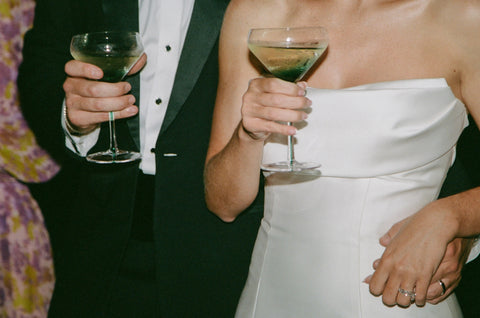


Tux semantics: when does a tux stop being a suit?
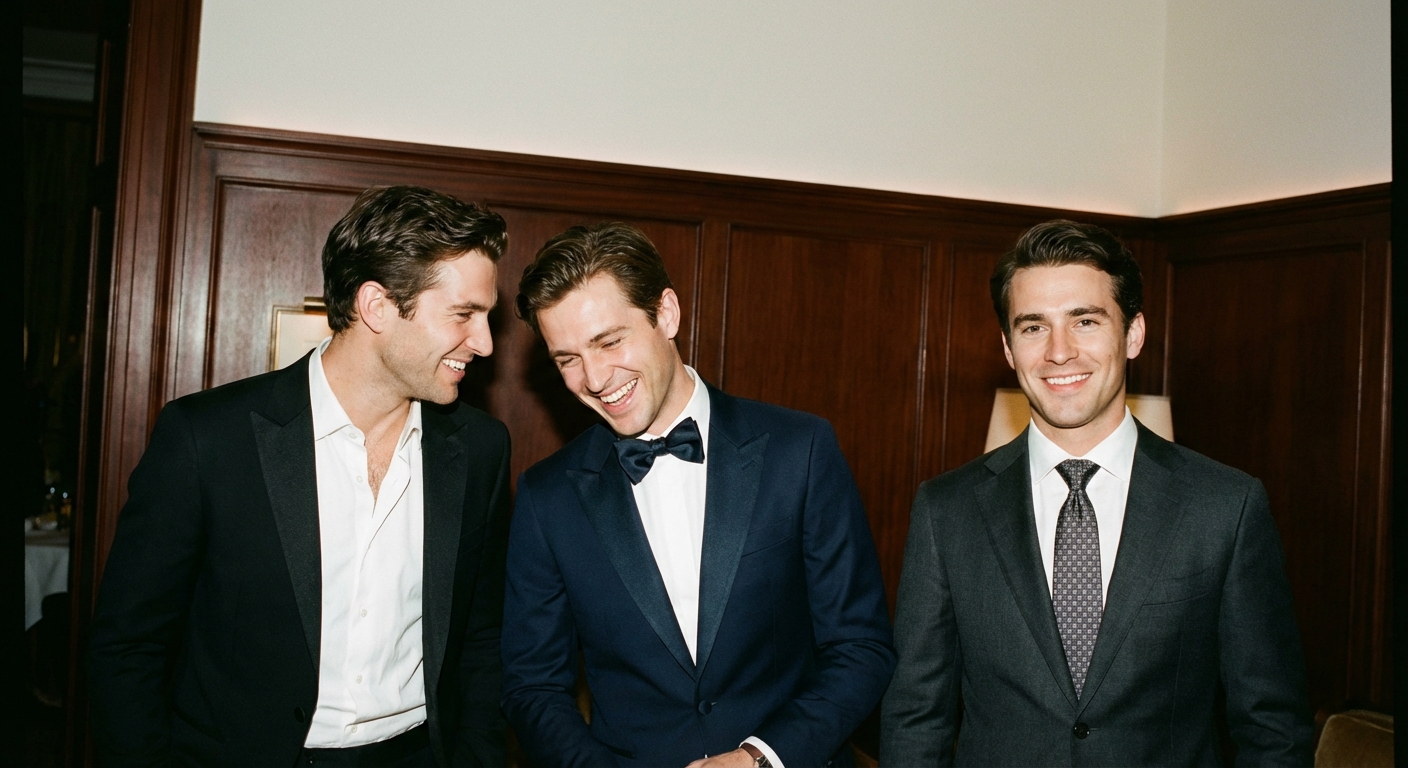
From its American debut in Tuxedo Park to today's jewel-toned velvet runways, the tuxedo has evolved into a nuanced symbol of evening elegance, and this guide demystifies every satin-stripe detail that separates it from an ordinary suit. Readers learn to decode dress codes--why "black tie optional" still rewards a well-chosen tuxedo, when a dark suit is smarter, and how venue, season, and even geography (English restraint vs. Italian sprezzatura) should drive the decision. It busts persistent myths--tuxedos aren't uncomfortably stiff, prohibitively expensive, or limited to black--and explains the non-negotiables: satin lapels and trouser braid, self-tie bow tie, patent leather, and after-6 p.m. timing. Practical advice covers slim vs. double-breasted cuts, modern colors from charcoal to emerald, rental vs. purchase math, and care tricks that keep the ensemble pristine for decades. By the end, any man can confidently open his closet--or a rental catalog--and assemble sharp, occasion-appropriate formalwear that reads polished, not costumey.
Defining the Tuxedo: History and Core Elements
Born from a 19th-century American country club revolt against tailcoats, the tuxedo's journey from Tuxedo Park's tail-less dinner jacket to Bond's midnight-blue icon shows how one sleek silhouette democratized formal elegance for the modern era.
Origins of the tuxedo and its evolution
The word "tuxedo" has surprisingly American roots, derived from the Algonquin word "P'tauk-seet-tough" - originally describing land that would become Tuxedo Park, New York [1]. This exclusive enclave, founded in 1886 by tobacco magnate Pierre Lorillard IV, became the unlikely birthplace of a fashion revolution [1]. Two stories compete for credit. One version claims Lorillard's son Griswold shocked guests at Tuxedo Park's first Autumn Ball with a radical "tail-less" black jacket [1]. Another credits club member James Brown Potter, who reportedly received fashion advice from the Prince of Wales (later Edward VII) during a London visit, commissioning a short dinner jacket instead of the traditional tailcoat [1].
Either way, this sleeker silhouette captured the imagination of New York's social elite. The tuxedo emerged as a refreshing alternative to the stiff, formal frock coats with tails that dominated evening wear [2]. This new style represented the upper class's desire for more practical leisure attire without sacrificing elegance [2]. By the early 1900s, the tuxedo had become the preferred choice for formal occasions, effectively retiring the tailcoat to only the most ceremonial events [2]. The modern tuxedo's journey reflects changing lifestyles and accessibility.
What began as custom pieces from personal tailors evolved into standardized ready-to-wear options as manufacturing advanced [2]. The 1920s established many elements we recognize today--the black bow tie and cummerbund became essential, while the Duke of Windsor popularized midnight blue, noting its superior appearance under artificial light [2]. Fashion boundaries expanded in the late 1960s when Yves Saint Laurent introduced "le smoking" for women, adapting masculine tailoring with softer lines [2]. From Sean Connery to Daniel Craig, James Bond films have continuously shaped our perception of the perfect tuxedo, making formal wear both aspirational and accessible [2].
Key components that distinguish a tux from a suit
Spotting the difference between a tuxedo and suit comes down to one key element: satin. This lustrous fabric appears on tuxedo lapels, buttons, and pocket trim, creating a refined contrast against the jacket's base material [3]. Suits, by comparison, use the same fabric throughout for a more uniform appearance [3]. The satin story continues down the legs--tuxedo trousers feature that signature satin stripe matching the lapel material (a detail we'll explore further when discussing hybrid styling).
Meanwhile, suit pants remain stripe-free [3]. Lapel design offers another clear distinction. Tuxedos traditionally sport either peak or shawl lapels, both engineered to frame a bow tie perfectly [4]. While suits can feature these styles too, they more commonly showcase notch lapels for versatility across different occasions [4].
The details matter everywhere. Tuxedo buttons come dressed up in satin covers or elegant mother-of-pearl, while suits typically feature standard horn or quality plastic buttons [4]. Trouser construction maintains this formal hierarchy--tuxedo pants feature flat fronts with side adjusters or suspender buttons for a streamlined silhouette, never belt loops [4]. Understanding these elements helps you choose the right
Common misconceptions about tux attire
Let's clear up the confusion surrounding tuxedos once and for all. First, the color myth--while black remains classic, today's formal wear embraces midnight blue (which photographs beautifully), sophisticated grey, and even tan for destination weddings [5]. Don't let outdated thinking limit your options. The "tuxedos are too expensive" argument often conceals other concerns. Consider this: men who invest hundreds in event tickets while claiming formal wear costs too much are usually masking different hesitations [6].
Plus, modern rental services have made quality tuxedos more accessible than ever. Comfort concerns belong in the past. Today's tuxedos, when properly fitted, feel as comfortable as your favorite suit [6]. The "waiter look" fear? That only happens with ill-fitting rentals.
A well-tailored tuxedo creates an unmistakably distinguished appearance [6]. Here's what really matters: when an invitation says "black tie," the hosts expect tuxedos, not suits (we'll explore dress code nuances in detail later) [6]. Similarly, bow ties remain the proper choice--save the long ties for your business suits [5]. Finally, remember that tuxedos follow the sun: they're evening attire meant for events after 6pm, regardless of how formal your morning wedding might be [5].
When the Tux Transitions: Situations That Blur the Line
Skip the tux-jacket-with-suit-pants hack--without the satin-stripe trousers you'll look mismatched--and instead rent the full set so "black-tie optional" can't trip you up.
Dress code nuances: black‑tie optional vs. formal suit
Understanding dress code terminology helps you navigate formal event expectations with confidence. When you see "black tie" on an invitation, you'll need a complete tuxedo ensemble: satin-lapeled jacket, matching trousers with satin stripe, white formal shirt, black bow tie, and polished black dress shoes [7]. Black tie optional (BTO) gives you more flexibility--you can wear either a full tuxedo or opt for a dark formal suit in black, charcoal, or navy, paired with a white dress shirt and conservative tie [7].
These codes create distinctly different event atmospheres. Black tie produces that classic, uniform elegance throughout the room, while BTO allows for more personal expression within formal parameters [7]. Here's where it gets nuanced: some hosts distinguish between BTO and "formal" attire.
While they're often used interchangeably, "formal" sometimes signals that dark suits are preferred over tuxedos--potentially to avoid outdressing the groom--whereas BTO explicitly welcomes both options [8]. For those considering a
Hybrid looks: tuxedo jackets with suit trousers
Let's address the elephant in the room: mixing tuxedo jackets with suit trousers. While it might seem like a clever styling hack, this combination creates an awkward middle ground that formal wear purists--and frankly, anyone with a keen eye--will notice immediately. Here's why: tuxedo pants feature those distinctive satin stripes that echo the jacket's lapels, creating visual harmony that's impossible to replicate with regular suit trousers [10]. If you're determined to try this look, understand what you're up against.
Even with perfectly matched colors (stick to black or midnight blue), the missing satin stripe and likely fabric mismatch will broadcast that something's off [11]. Style experts consistently advise against this pairing, and for good reason--it reads as neither fully formal nor intentionally casual [11]. Should you find yourself considering this option, ask yourself why. If budget's the concern, renting a complete tuxedo often costs less than you'd think.
If it's about standing out, there are better ways to express individuality within formal dress codes. For black-tie optional events, you're far better off wearing a well-fitted dark suit than attempting this hybrid approach [11]. Interestingly, this wasn't always taboo--before matching suits became standard in America, dinner jackets were sometimes sold separately and paired with black trousers featuring decorative braid trim [11]. But modern formal wear has evolved past these improvisations, and today's standards expect cohesion between jacket and trouser.
Cultural and regional variations that affect perception
Your tuxedo tells a story that changes depending on where you are in the world. Understanding these cultural nuances helps you appreciate why formal wear varies so dramatically across regions--and why there's no single "right" way to wear a tux. In England, where it's called a dinner jacket, the approach remains refreshingly understated. Think classic black or midnight blue with precision tailoring that whispers rather than shouts--simplicity and timeless design reign supreme [13]. Cross the Atlantic to America, and you'll find more room for personal expression. Midnight blue and burgundy make regular appearances, reflecting our cultural appreciation for individual style within traditional frameworks [13].
Travel south to Mexico, and formal attire becomes a canvas for cultural heritage. Vibrant embroidery and rich fabrics incorporate traditional motifs, proving that respecting tradition doesn't mean abandoning creativity [13]. Italian interpretations? They're all about that coveted sprezzatura--the art of looking effortlessly elegant. Expect closer cuts and exceptional fabrics that somehow manage to look both meticulous and unstudied [13]. In Japan, minimalist aesthetics meet Western influence, creating tuxedos with clean lines and premium fabrics that emphasize subtle sophistication over bold statements [13].
These aren't just regional quirks--they're part of an ongoing global conversation where English tailoring influences cuts worldwide, while Mexican vibrancy inspires color choices far beyond its borders [13]. This cultural exchange has transformed the tuxedo from a rigid uniform into something far more dynamic. Today's formal wear serves as a medium for cultural expression, integrating diverse motifs, colors, and silhouettes that honor both heritage and contemporary style [12]. The result? A richer, more inclusive understanding of what formal attire can be [12].
Practical Guidelines for Choosing Between Tux and Suit
Let the invitation's dress code, venue vibe, and clock--tuxedo only after 6 pm in ballrooms, a breathable suit for daytime garden parties--dictate whether you button up satin lapels or lightweight cotton.
Assessing event formality and venue expectations
Your invitation tells the story--the dress code is your clearest guide when choosing between a tuxedo or suit. As detailed in our dress code section, white tie and black tie events require tuxedos, while black tie optional offers flexibility with either a tuxedo or dark formal suit [14]. For cocktail attire or anything less formal, you'll want to reach for your suit. Here's a pro tip: timing matters as much as the dress code. Since tuxedos are evening wear (after 6pm only), that morning or afternoon wedding calls for a suit regardless of formality [14]. Let the venue guide your decision too.
Picture yourself in the space--does a ballroom or luxury hotel setting call for the refined elegance of a tuxedo? Absolutely [15]. But that beach ceremony or garden party? A suit in lighter fabrics and colors will look perfectly at home [15]. Rustic barns and vineyards pair beautifully with textured suit fabrics in earth tones that complement the natural surroundings [15]. Season plays into your choice as well.
Winter evening weddings practically beg for the warmth and formality of a tuxedo, while summer afternoon celebrations need the breathability of a lightweight linen or cotton suit [15]. Still unsure about that "black tie optional" event? If you're leaning formal, a tuxedo with its distinctive satin details makes a sophisticated statement [16]. For a more relaxed approach, a sharp suit in black or navy with a crisp white shirt and silk tie hits the perfect note [16]. Consider a dinner jacket as your middle ground--it bridges the gap between suit and tux, ideal for semi-formal occasions where you want elevated style without full black-tie formality [16].
Evaluating fit, fabric, and accessories for each option
When it comes to fit, both tuxedos and suits should flatter your form--but they achieve this differently. A tuxedo works like architecture for your body, creating broader shoulders, a narrower waist, and longer legs through precise tailoring [17]. This means you'll need a closer fit than typical off-the-rack options provide, making professional alterations essential. For tuxedo trousers, think high and clean: they should sit at your natural waist (not your hips), show minimal or no break at the shoe, and skip belt loops entirely in favor of side adjusters or suspender buttons [17]. Fabric choices reveal each garment's purpose. Tuxedos stick to tradition with black wool or mohair blends in fine barathea weave--though midnight blue makes an equally sophisticated choice that actually appears darker under evening lights [17].
Suits give you room to play: worsted wool for the office, cozy flannel for winter events, or breezy linen for summer celebrations [17]. As we covered earlier, those distinctive satin or grosgrain facings on tuxedo lapels create the formal boundary that sets them apart from even your sharpest suit [17]. Accessories complete your look, and tuxedos demand precision here. Your shirt should be white--no exceptions--featuring pleats, piqué texture, or a hidden placket, plus French cuffs ready for your best cufflinks [17]. Got a single-breasted tuxedo? You'll need a cummerbund or low-cut waistcoat that matches your lapel facings.
Double-breasted styles let you skip this step [17]. For your feet, think patent leather oxfords or sleek evening pumps in black, paired with silk dress socks that reach your calves [17]. And yes, tradition still favors a self-tied bow tie in matching satin or grosgrain--long ties might be trendy, but they dilute that classic tuxedo impact [17]. Suits offer more creative freedom with colored shirts, varied tie styles, and diverse shoe options that let you adapt to different formality levels [14]. Budget-wise, expect quality tuxedos to start around $400 versus $200 for suits, though your wearing frequency changes the math--renting works beautifully for annual black-tie events, while purchasing pays off if you're attending 2-3 formal occasions yearly [14].
Budget considerations and rental vs. purchase decisions
Here's the math that matters: quality tuxedos run $400-1200, while suits start at $200-800, with designer pieces climbing to $3000 [14]. If you're attending just one or two formal events annually, renting makes perfect sense--you'll spend around $200 for a complete look including shirt, shoes, and all accessories [14]. Once you hit 2-3 black-tie occasions yearly, purchasing starts to pay off [14].
Don't forget the extras when budgeting. Those essential additions--formal shirts, bow ties, patent leather shoes, and professional alterations--can quickly add $100-300 to your total investment [14]. Smart shoppers time their purchases around major sales: Memorial Day, Labor Day, and Black Friday often bring substantial markdowns on formalwear [14].
But this decision isn't just about dollars.
Modern Styling Tips to Keep Your Tux Sharp and Appropriate
Modern tuxedo style lets you swap classic black for charcoal, navy, or even velvet jewel tones while staying sharp in a slim-cut, double-breasted silhouette that balances formal tradition with personal flair.
Current trends in tuxedo cuts and colors
Today's tuxedo landscape offers exciting possibilities beyond traditional black, giving you the freedom to express your personal style while honoring formal tradition. Modern color palettes have expanded to include sophisticated options that work beautifully for different settings. Charcoal gray delivers understated sophistication perfect for upscale venues, while lighter grays bring a contemporary edge to less formal celebrations. Navy has emerged as a versatile favorite--it photographs beautifully and complements virtually any wedding color scheme. For beach and outdoor ceremonies, tan provides a relaxed elegance that feels right at home under the sun [19].
If you're ready to make a statement, consider the jewel tones gaining traction in formalwear collections. Emerald, plum, and marigold tuxedos are particularly striking for fall weddings, offering rich depth that pairs beautifully with seasonal decor [20]. Pattern has also entered the conversation, with paisley designs available in classic black through to bold burgundy and white--perfect for grooms who want their personality to shine through [21]. The silhouette of modern tuxedos has evolved as well. Today's preferred cuts lean toward slim and ultra-slim profiles that create a tailored, athletic appearance without sacrificing comfort.
The double-breasted tuxedo has made a notable comeback, offering a distinguished alternative with its six-button front, wider peak lapels, and extended overlap that commands attention in the best possible way [19]. When it comes to fabrics, innovation meets tradition. While silk and satin remain classics, new performance blends deliver the same luxury with added comfort and movement. Velvet has become a go-to choice for fall and winter events--its rich texture adds warmth and seasonal sophistication that photographs beautifully [20]. Despite all these exciting options, the timeless single-breasted black tuxedo with satin notch lapels remains our most requested style, proving that classic elegance never goes out of fashion [21].
Accessorizing: shoes, bow ties, and pocket squares
As discussed in our guide to evaluating accessories for formal options, the right finishing touches elevate your tuxedo from standard to spectacular. Your bow tie choice sets the tone--self-tie versions offer that perfectly imperfect charm that signals you know what you're doing, while pre-tied options deliver reliability when you need it most [22]. For traditional black-tie events, stick with black silk or satin that matches your lapel facings [22]. The pocket square provides an opportunity for subtle sophistication. White silk folded in a straight line or gentle puff remains the gold standard for formal occasions.
Save bold patterns for less formal events--your pocket square should complement, not compete with, your overall look [23]. Footwear deserves special attention. Patent leather oxfords remain the traditional choice, though well-polished black leather dress shoes work beautifully for most formal occasions. Remember, loafers and brogues--no matter how polished--don't meet black-tie standards [23]. For your finishing touches, coordinate metals across all accessories.
Silver cufflinks pair with silver studs, gold with gold. Black onyx or mother-of-pearl options add refinement without calling undue attention [23]. If you want to introduce personality, limit bold choices to a single element--perhaps a midnight blue bow tie or subtle embroidery on velvet slippers (when the dress code allows). This approach adds interest while maintaining the formal integrity your event demands [23].
Maintaining and caring for your tux to extend its life
Your tuxedo represents a significant investment in looking your best--protect it with proper care. The golden rule? Dry clean sparingly. Those chemicals that promise cleanliness actually strip natural moisture from your fabric, shortening its lifespan [24]. Instead, follow this simple post-event routine: brush the fabric gently to remove surface dust, then hang your tuxedo in a well-ventilated area for 24 hours. This allows the fabric to breathe and any odors to dissipate naturally [24].
For storage, invest in shaped wooden hangers that support your jacket's shoulders properly. Skip the plastic covers from the dry cleaner--they trap moisture and can yellow fabric over time. Instead, use a breathable cloth garment bag and store in a cool, dry closet away from direct sunlight [24][25]. Patent leather shoes require special attention. Use dedicated patent leather cleaners rather than standard shoe polish. In a pinch, glass cleaner works, but repeated use will eventually dull that mirror-like finish.
Always insert cedar shoe trees immediately after wearing to maintain shape and absorb moisture [24]. When traveling, carry your tuxedo in a proper garment bag and never check it with regular luggage. Wrinkles happen, but they're easily resolved--simply hang your tuxedo in a steamy bathroom for 15-30 minutes and let gravity do the work [24]. For long-term storage, have your tuxedo professionally cleaned first, then inspect it periodically for any issues. Address loose buttons or drooping hems promptly with a formalwear specialist. With this care routine, your tuxedo will maintain its sharp appearance for years of memorable events [25].
- Tuxedos require satin lapels, stripe-trimmed trousers, and bow ties--suits never do.
- Black-tie optional means tuxedo or dark formal suit; black-tie mandates a tuxedo.
- Tuxedos are strictly evening wear after 6 pm; wear a suit for daytime events.
- Mixing a tuxedo jacket with suit trousers creates a mismatched look--avoid it.
- Rent for 1-2 annual events; buy if you attend 2-3+ black-tie occasions yearly.
- Modern tuxedos now come in navy, grey, burgundy, and jewel tones beyond black.
- Store tuxedos on shaped hangers in cloth bags, dry-clean sparingly to extend life.
- https://www.whiterosebridal.net/product_p/01.htm
- https://www.encyclopedia.com/sports-and-everyday-life/fashion-and-clothing/clothing-jewelry-and-personal-adornment/tuxedo
- https://rushwilson.com/difference-suits-tuxedos/
- https://www.montagio.com.au/cms/what-is-the-difference-between-a-suit-and-a-tux
- https://www.jackmartin.us/blogs/jack-martin-blog/what-is-a-tuxedo-difference-between-tuxedo-and-suit
- https://www.gentlemansgazette.com/tuxedo-black-tie-guide/advanced/tuxedo-myths-merits-debunked/
- https://www.tuxedobysarno.com/black-tie-optional/
- https://www.reddit.com/r/weddingplanning/comments/1ftsye7/black_tie_vs_black_tie_optional_formal/
- https://www.erindavies.com/blog/decoding-the-dress-code
- https://hespokestyle.com/tuxedo-styles/?srsltid=AfmBOoriA39bzz8PXG4uQ9diGzSlFra3nuPDrdJKNY5F_TX4jkL8PHrX
- https://www.quora.com/Can-you-wear-a-tuxedo-jacket-with-suit-pants
- https://www.lavetir.com/blogs/weddings/cultural-traditions-have-an-impact-on-modern-formal-attire-design?srsltid=AfmBOoqSnr6g0I-4vKbk6WD-sTRLRHhxiH1AUmwxRxp3T5DW9rObfntz
- https://thefoxmagazine.com/fashion/the-impact-of-cultural-elements-on-tuxedo-fashion/
- https://www.theknot.com/content/tuxedo-vs-suit
- https://allurebridals.com/de/blogs/news/suit-vs-tuxedo-what-s-best-for-your-big-day
- https://hangrr.com/resources/tuxedo-vs-suit-ultimate-guide?srsltid=AfmBOoqkDUmvUUy4hOEABhCntEbH_MjnuRzKVRCfd_SboBoePV3LLbtU
- https://www.gentlemansgazette.com/suit-vs-tuxedo-part-i/
- https://www.tuxedobysarno.com/rent-or-buy-which-one/
- https://www.culwell.com/blogs/2023-popular-tuxedo-styles-trends
- https://karlstuxedos.com/mens-tuxedo-and-wedding-attire-trends-for-fall-of-2023/
- https://mytuxedocatalog.com/blog/top-10-styles-for-march-2023/
- https://opposuits.com/blogs/opposuits/accessories-for-tuxedo-complete-style-guide?srsltid=AfmBOor1LpFeTZvf87zVeejZ626--0Nst3kNjxyzp04_75thR-vExUYR
- https://www.luxedosuits.com/the-essential-guide-to-tuxedo-accessories/
- https://www.gentlemansgazette.com/tuxedo-black-tie-guide/basics-101/tux-maintenance-care/
- https://damianistores.com/blogs/blog/caring-for-your-tuxedo-maintenance-and-storage-tips


