



Tuxedo Styles Decoded: Satin or No Satin, Peak or Shawl?
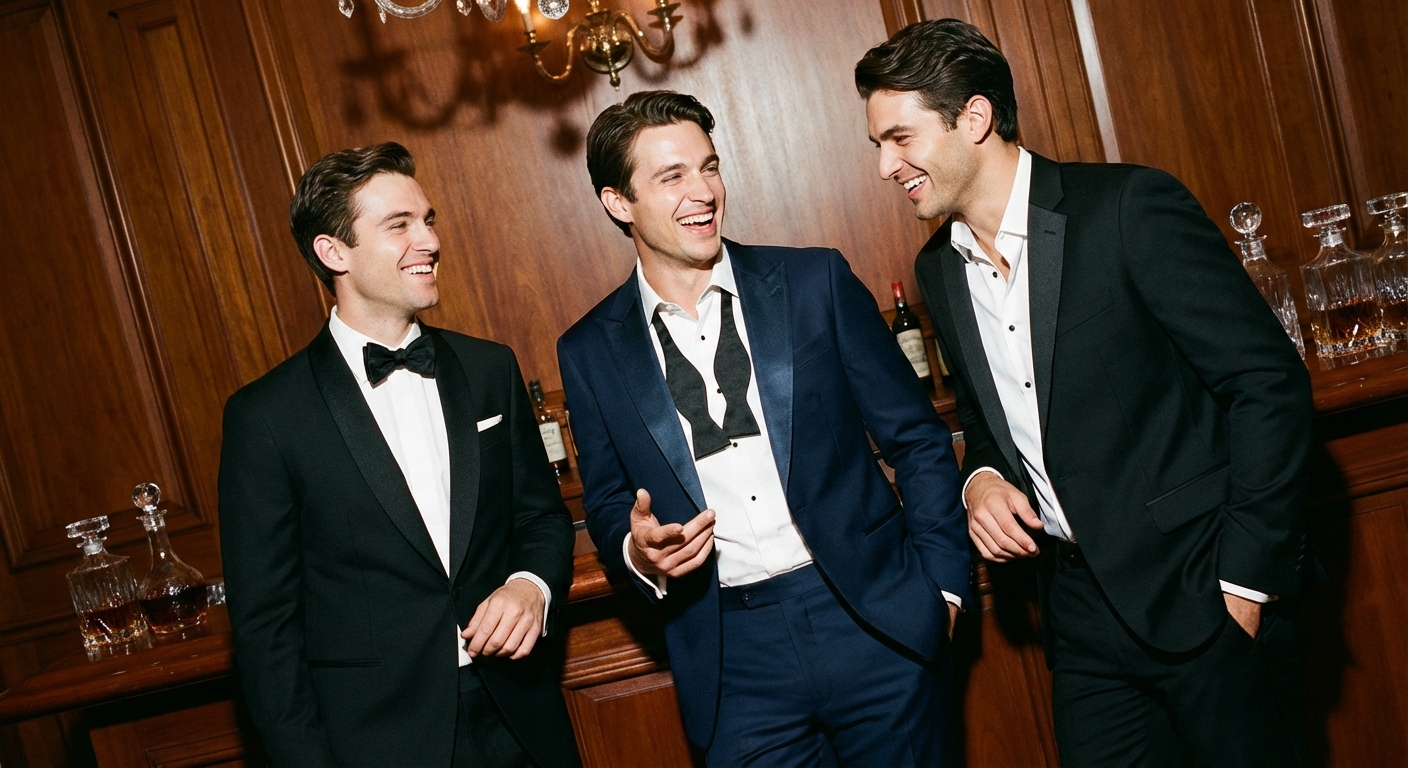
This definitive guide demystifies every element of tuxedo selection--from lapel finishes and styles to fabrics, colors, and accessories--so you can confidently craft a look that honors the dress code while expressing your personality. Readers learn how satin lapels signal timeless elegance for traditional galas, while matte or grosgrain options project modern sophistication at creative black-tie events, and how peak lapels deliver authority, shawl collars exude refined formality, and notch styles risk appearing too casual. The article decodes fabric weights and blends--wool barathea for classic drape, mohair for warm-weather breathability, velvet for winter statement-making, and silk blends for understated luxury--while mapping color choices (classic black, crisp white, rich jewel tones, or earthy browns) to venue, season, and personal brand. It clarifies when to choose strict Black Tie over flexible Black Tie Optional, offers pro tips on timing rentals (three to six months ahead) versus the long-term value of purchasing after three to four wears, and delivers insider advice on fit checkpoints, industry-specific styling cues, and accessories--from bow-tie proportions and patent leather shoes to cufflinks and boutonnieres--that create a cohesive, camera-ready finish. By aligning every detail with event vibe, body type, climate, and professional image, you'll step into any formal occasion looking--and feeling--flawlessly appropriate and authentically you.
Understanding the Core Elements of Tuxedo Styles
Match your lapel finish--satin for timeless polish, matte or grosgrain for modern edge--and choose peak for authority or shawl for refined height to let your tuxedo's silhouette perfectly echo both the event's formality and your personal style.
Satin vs. No‑Satin Lapels: When to Choose Each
Your lapel finish sets the tone for your entire tuxedo look. Satin lapels deliver that classic black-tie polish--their glossy surface catches light beautifully and creates the signature contrast that makes a tuxedo instantly recognizable. If you're attending a traditional wedding, gala, or any event where timeless elegance matters, satin lapels are your go-to choice [1]. Looking for something more contemporary? No-satin options like grosgrain (a subtle ribbed texture) or matte finishes offer modern sophistication without sacrificing formality.
These textures work exceptionally well for creative black-tie events, rooftop weddings, or when you want to stand out while respecting the dress code [1]. You'll also find hybrid options--self lapels with satin trim or satin lapels with self trim--that bridge traditional and contemporary styles [2]. Here's how to choose: Match your lapel finish to both the event's vibe and your personal style. Traditional ballroom wedding? Satin delivers that expected elegance.
Modern art gallery reception? A matte or grosgrain finish lets you express individuality while maintaining appropriate formality. The key is ensuring your choice feels authentic to you while honoring the occasion.
Peak, Shawl, and Notch Lapels Explained
Your lapel style shapes your entire silhouette and sets your formality level. Let's decode each option: Peak Lapels: These sharp, upward-pointing edges create instant authority. The angular design broadens your shoulders and emphasizes a strong, triangular silhouette--perfect when you want to command attention [4]. Peak lapels excel at formal weddings, galas, and any occasion where projecting confidence matters.
They're the power player's choice. Shawl Lapels: With their smooth, continuous curve from collar to button, shawl lapels offer timeless elegance. The rounded design creates a lengthening effect while drawing attention to your chest--ideal if you want to appear taller and more refined [4]. This is your ultra-formal option, the classic choice for traditional black-tie events where sophistication reigns supreme. Notch Lapels: While standard on business suits, notch lapels occupy controversial territory in tuxedo design. The distinct V-shaped notch where collar meets lapel creates a more casual impression [1].
Some contemporary designers embrace this style for modern interpretations, but if you're attending a traditional formal event, stick with peak or shawl options [4]. Remember: your lapel style works in tandem with its finish (as discussed above) to create your complete formal look. The combination you choose tells everyone exactly how you interpret black-tie style.
Fabric Choices and Their Impact on Comfort and Look
Your fabric choice affects everything--how you look, how you feel, and how you move throughout your event. Understanding these options helps you make the perfect selection for your occasion. Wool (The Classic Standard): Traditional barathea wool delivers unmatched elegance. Its tight weave creates a deep, rich black that photographs beautifully under ballroom lights while maintaining natural breathability [5]. The substantial 300-400g weight provides perfect drape--heavy enough to hang cleanly, light enough for all-night comfort [6]. This is why wool remains the go-to for most formal events. When trying on different fabrics, you'll immediately notice how quality wool moves with your body rather than against it. Mohair Blends (The Cool Alternative): If you tend to run warm or your event is outdoors, consider mohair blends.
The natural crispness creates sharper lines and better temperature regulation than pure wool [6]. A 50:50 wool-mohair blend offers the best of both worlds--structure plus breathability. Just note that pure mohair can appear overly shiny; stick to 40% mohair or less for subtle sophistication. The slightly stiffer drape works particularly well for peak lapel styles. Velvet (The Statement Maker): Nothing matches velvet's luxurious depth. Its light-absorbing texture creates visual richness perfect for winter weddings and evening receptions [5]. Modern cotton velvet balances warmth with wearability, though the 400g weight means you'll want reliable air conditioning for indoor summer events.
Velvet tuxedos transition beautifully between formal and creative black-tie occasions--especially in jewel tones explored in our style matching section. Silk Blends (The Subtle Luxury): For those seeking understated refinement, silk-wool blends offer exceptional drape with a gentle sheen. These fabrics photograph beautifully and feel incredible against your skin--perfect for high-profile events where every detail matters [5]. The enhanced fluidity works especially well with shawl lapel designs. The Weight Factor: Don't be swayed by ultra-light fabrics (under 300g). While they might sound comfortable, they lack the structure needed for proper drape. Quality formalwear in the 350-400g range creates those clean lines that define exceptional black-tie style [6]. Trust us--you want fabric with enough body to move gracefully as you dance, sit, and celebrate.

Matching Tuxedo Styles to Your Event and Personal Brand
Master the difference between Black Tie's uniform luxury and Black Tie Optional's flexible elegance--then amplify your personal brand by choosing the perfect tuxedo color and texture for your venue and vibe.
Black‑Tie Formal vs. Black‑Tie Optional: Style Guidelines
Understanding the distinction between Black Tie and Black Tie Optional helps you navigate formal events with confidence. Black Tie represents the strictest formal dress code most people encounter. It requires men to wear a complete tuxedo--black jacket with satin lapels, matching trousers with satin stripe, white formal shirt, black bow tie, and polished black dress shoes [7]. This creates a uniform, elevated aesthetic typically reserved for evening weddings after 5:00 PM in elegant venues like ballrooms or upscale hotels [7].
Black Tie Optional offers more flexibility while maintaining formality. Men may choose between a tuxedo or a dark formal suit (black, charcoal, or navy) paired with a white dress shirt and conservative tie [7][9]. This dress code works well for weddings with diverse guest lists where couples want a polished atmosphere without requiring everyone to rent formalwear [7]. The key difference lies in expectations--Black Tie enforces a strict standard creating a consistent look, while Black Tie Optional sets a formal tone with room for personal choice [7].
For grooms, even at Black Tie Optional events, wearing a tuxedo helps you stand out while maintaining the wedding's formal aesthetic [7]. Choose Black Tie when you want classic luxury and complete formality; opt for Black Tie Optional when you prefer elegance with flexibility [7].
Choosing the Right Color and Texture for Modern Weddings
Wedding tuxedo options have evolved far beyond the classic black, with color and texture now playing crucial roles in expressing your personal style. Black remains the cornerstone of formal tradition--clean, confident, and adaptable for evening ceremonies and upscale venues [10]. For grooms seeking something fresh, white tuxedos offer a crisp, contemporary statement that works exceptionally well for outdoor settings, beach ceremonies, and rooftop celebrations [11]. Blue tones, particularly Textured fabrics have become increasingly significant in modern wedding attire.
Velvet tuxedos in rich emerald, burgundy or navy create a regal aesthetic ideal for evening receptions and winter celebrations, balancing old-world charm with contemporary confidence [10][11]. For grooms wanting subtle distinction, grey tuxedos--from charcoal to lighter shades--deliver understated elegance that works particularly well in urban lofts or architectural spaces [11]. The most dramatic departure from tradition comes through green tuxedos in forest and emerald tones, which offer grounded richness that thrives in fall and winter celebrations or moody, industrial venues with exposed brick [11]. Even earth tones are experiencing a renaissance, with brown shades like chocolate, espresso, and tobacco bringing subtle warmth to garden weddings and rustic-industrial settings [11].
Modern grooms increasingly focus on personalization over convention--some opt for custom designs that reflect cultural heritage, others choose unconventional colors and cuts that blend masculinity with traditionally feminine elements [12]. "The guys always look the same--a black tux," notes Travis London, who chose a custom white outfit with a shear top and train for his wedding, adding that "the dresses of the women were all so detailed, so ornate, so beautiful" [12]. This sentiment reflects the growing desire among grooms to make meaningful style statements on their wedding day.
How to Align Your Tuxedo with Your Professional Image
Your tuxedo style communicates volumes about your professional identity before you speak a word. Different industries have distinct visual languages--traditional professions like law, finance, and medicine typically favor classic elements that signal reliability and expertise. For these fields, choose peak lapels in satin finish with a single-button jacket, which projects authority while honoring convention [13]. Creative industries allow you more stylistic freedom--shawl collars, textured fabrics, and contemporary colors demonstrate design sensibility and creative confidence.
Select elements that align with your career trajectory rather than just your current role; if you aspire to leadership, incorporate subtle power signals like wider peak lapels and structured shoulders that create presence in boardrooms and at podiums [13]. Industry context matters significantly--tech executives often select minimalist, modern interpretations like midnight blue with grosgrain lapels that balance innovation with professionalism, while client-facing roles in luxury sectors benefit from impeccable details that mirror the premium experience you represent [14]. The fundamental rule across all professions: proper fit transcends all other considerations. A perfectly tailored mid-range tuxedo projects more competence than an ill-fitting luxury garment, as precision in dress suggests precision in work [14].
For those uncertain about achieving the perfect fit, Pay particular attention to shoulder seam placement, sleeve length showing ¼-inch of shirt cuff, and trouser break that creates a clean line without pooling fabric--these details signal attention to detail and excellence that clients and colleagues unconsciously register [14]. When selecting accessories, consider their communication value; understated cufflinks and minimal pocket squares project pragmatic competence, while bolder choices can help establish memorability in networking contexts where differentiation matters [14]. Remember that your professional image isn't just about impressing others--wearing a properly fitted tuxedo with purposefully selected elements creates physical and psychological confidence that directly impacts your performance in high-stakes professional moments [14].
Fit, Rental, and Purchase Tips for Every Tuxedo Style
Reserve your tuxedo 3-6 months ahead, then let our home try-on kit--shipped 10 days early--deliver a perfect-fit ensemble to your door for under $205.
Ensuring the Perfect Fit with The Black Tux Home Try‑On
Our home try-on service eliminates the guesswork of online tuxedo rentals by bringing the showroom experience directly to you. Begin by completing our online Fit Formula, which creates a custom size profile based on your measurements and body type [15]. Once you select your tuxedo style, we ship a complete ensemble--including the jacket, pants, preselected vest, shirt and tie--allowing you to evaluate the fit before committing [15].
This test run gives you time to identify any needed adjustments while experiencing the actual fabric quality and construction. The process works alongside our virtual styling services, where our experts provide personalized fit recommendations based on your body type and event formality [15]. After confirming your selection, we deliver your final rental 10 days before your event, providing ample time for any last-minute adjustments [15].
For those preferring hands-on measurements, we maintain
Smart Rental Strategies: Timing, Budget, and Return Policies
Successful tuxedo rental hinges on timing your order perfectly. For weddings, reserve 3-6 months ahead--six months for spring/summer weddings and three months minimum for off-peak dates [17]. Destination weddings require even earlier booking--up to 8 months in advance--to coordinate fittings and handle international logistics [17]. For proms and homecomings, secure your rental 2-3 months prior to ensure good selection and adequate fitting time [17]. Most rental providers deliver your tuxedo just two days before your event, though we ship approximately 10 days before to ensure you have ample preparation time [18].
This industry-standard timeline exists because formal wear companies maintain tight rental rotations between events [18]. Budget between $165-$300 for a complete rental package including shoes, shirt, vest or cummerbund, and accessories [18]. In 2024, the average rental cost was approximately $205--significantly less than purchasing a new tuxedo ($700-$1,000+) [15]. Some companies offer tiered packages depending on your needs--from basic jacket and pants combinations to comprehensive outfits with premium accessories [15]. When considering pricing, factor in potential late fees, as most providers require returns within 1-2 days after your event [18].
Ask about "Rent to Keep" programs if you might want to purchase your rental--we offer this option for select items, allowing you to turn your perfect rental into a permanent wardrobe addition [15]. For budget-conscious renters, compare local shops against national chains; local providers often offer more competitive pricing and personalized service but may have limited style options [18]. Schedule your fitting appointment 4-6 weeks before your event to allow time for alterations, and confirm all rental details two weeks prior [17]. Designate a responsible person (not the groom) to handle return logistics, especially important after weddings when you may be traveling or recovering [17].
When Buying Beats Renting: Long‑Term Wardrobe Considerations
Purchasing a tuxedo makes financial sense if you attend formal events regularly. The initial investment pays off after approximately 3-4 rentals, turning ownership into a practical long-term decision [19]. Beyond cost efficiency, buying offers fit advantages that rentals can't match--your owned tuxedo can be precisely tailored to your body's proportions rather than standardized rental measurements [19].
For grooms especially, purchasing creates a meaningful keepsake from your wedding day while providing a versatile formal option for future use [19]. Custom options become available when buying, including fabric weights suited to your local climate and personalized styling details impossible with rental inventory [19]. Consider our The quality difference between rental garments (built for multiple wearers) and purchased tuxedos (crafted for individual ownership) becomes apparent in construction features that create superior drape and comfort [19].
When deciding between renting and buying, calculate your realistic five-year formal event calendar--if you anticipate attending black-tie functions, charity galas, or formal weddings with any regularity, the investment delivers both financial value and the confidence that comes from wearing something perfectly fitted to your proportions [19].


Accessorizing Your Tuxedo for a Polished Finish
Mirror your lapel's geometry--pleated bib with peak, fly front with shawl--and keep bow tie, lapels, and cummerbund in matching satin, grosgrain, or barathea for a flawlessly unified black-tie finish.
Shirt, Bow Tie, and Cummerbund Pairings by Lapel Type
Selecting the right shirt and bow tie for your tuxedo starts with understanding how accessories complement your chosen lapel style (detailed in "Understanding the Core Elements of Tuxedo Styles" above). Here's your guide to creating a harmonious look: For peak lapels, pair a traditional pleated bib shirt to balance those sharp angles with texture. A straight bow tie provides horizontal lines that counterbalance the upward points, while a wider cummerbund maintains proper visual proportion. With shawl lapels, opt for a fly front shirt--its smooth surface echoes the lapel's unbroken curve. Choose a proportionate butterfly bow tie that mirrors the lapel's flowing lines [20].
The key rule across all styles: maintain material consistency. Your bow tie, lapels, and cummerbund should share the same finish--whether glossy satin for maximum formality, textured grosgrain for subtle sophistication, or matte barathea for contemporary elegance [20]. This creates an intentional, polished appearance that elevates your entire ensemble. When selecting your formal shirt, quality fabric makes the difference. "Formal shirts should be made from a very fine fabric," notes expert Mark Cho.
"Poplin and even royal oxford are good choices" [20]. The traditional Marcella (piqué) shirt with pleated bib offers timeless formality, while fly front styles provide a sleeker, more modern aesthetic. At The Black Tux, our
Footwear and Pocket Square Choices That Complement Each Style
Your footwear sets the foundation for a polished formal look. Here's how to choose shoes that complement your tuxedo style and event: Classic Formal Options: Patent leather Oxfords remain the gold standard for black-tie events, their high-gloss finish perfectly complementing satin lapels [21]. For those favoring shawl collars, opera pumps with their distinctive bow detail echo the lapel's elegant curves [21].
With contemporary no-satin or grosgrain lapels, plain leather Oxfords provide sophisticated balance without competing textures [21]. Modern Alternatives: Creative black-tie events open doors for personal expression. Belgian shoes or velvet slippers work beautifully with textured lapels, while Chelsea boots with leather soles suit industrial venues and brewery celebrations [21][22]. Seasonal and Venue Considerations: As discussed in "Choosing the Right Color and Texture for Modern Weddings," context matters. Summer rooftop ceremonies welcome lighter tones and suedes, while winter galas call for rich, deep shades [22].
Always match your belt to your shoes--this fundamental rule creates visual cohesion [23]. Pocket Square Strategy: White linen remains timeless with any tuxedo style. For pattern lovers, echo (don't match) elements from your lapels. Keep it simple: ornate lapels need understated folds, while minimalist lapels can handle more elaborate presentations. The Foundation: Black silk over-the-calf socks complete your look, creating a seamless line from trouser to shoe regardless of your footwear choice [21].
Final Touches: Cufflinks, Boutonnieres, and Groom's Tracker Coordination
Transform your tuxedo from standard to standout with these essential finishing touches: Cufflinks: These functional accessories offer the perfect opportunity for personalization. Whether you choose embellished designs, family heirlooms, or custom engravings featuring your partner's initials, quality cufflinks add distinctive refinement while creating memorable detail shots in your wedding photography [24][26]. Boutonniere Strategy: Create visual harmony between your attire and the wedding's overall design. Style expert Andrew Weitz offers clear guidance: "If there's no boutonniere, I'd probably do the pocket square.
If you have a boutonniere, you don't necessarily need the pocket square" [26]. Match your boutonniere to your partner's floral elements for cohesive photos. Wedding Party Coordination: Aim for complementary rather than identical styling. If bridesmaids wear burgundy, incorporate that shade through subtle accessories instead of exact color matching [25].
This creates unified photos while allowing individual expression. Timeline and Organization: Start sourcing accessories 4-6 months before your wedding, especially for custom pieces or family heirlooms needing restoration [24]. Create a detailed checklist including: - Cufflinks - Boutonniere - Watch - Pocket square - Tie bar - Cultural accessories Pro tip: Designate a reliable groomsman as your "accessory manager" on the wedding day. Having someone else track these details lets you focus on what matters most--celebrating your commitment.
- Satin lapels signal classic black-tie; matte or grosgrain read modern and creative.
- Peak lapels add authority, shawl collars elongate; avoid notch for strict formal events.
- Reserve rentals 3-6 months pre-wedding, expect 10-day pre-event delivery for alterations.
- Purchase pays for itself after 3-4 rentals and allows custom tailoring for superior fit.
- Match bow-tie, lapels, and cummerbund in finish (satin/grosgrain/matte) for cohesive polish.
- Fabric weight 350-400g gives ideal drape; under 300g lacks structure for formal lines.
- Black Tie requires full tuxedo; Black Tie Optional allows dark suit, but grooms should still wear tux.
- https://www.tuxedobysarno.com/tuxedo-lapels-guide/
- https://mytuxedocatalog.com/blog/infographic-the-three-tuxedo-lapel-types/
- https://theartefact.com/how-to-wear-a-tuxedo-lapels-fabric-accessories/?srsltid=AfmBOorx7MvV4x9KK3W7XlN7snpGNr45kQA6mqg1iWZInZ3p2Jo3xLGh
- https://hangrr.com/resources/peak-lapel-vs-shawl-lapel?srsltid=AfmBOopctESFszsFbECIT-1R-9bz9zwIPqUjOKfU5p5okmpAk35emNjT
- https://ambfa.com/best-fabrics-for-a-custom-tuxedo-wool-velvet-or-silk-blends/
- https://www.permanentstyle.com/2020/09/the-guide-to-cloth-for-black-tie-or-tuxedo.html
- https://www.tuxedobysarno.com/black-tie-optional/
- https://www.gentlemansgazette.com/tuxedo-black-tie-guide/
- https://www.erindavies.com/blog/decoding-the-dress-code
- https://kleinepsteinparker.com/blogs/luxury-fashion-trends/modern-tuxedo-styles?srsltid=AfmBOorcOgzvG9_sw0wSOUDnqWx3g2enKL2TTyokWd6oXQiHwaq0Po8d
- https://andreemilio.com/2025/07/17/top-6-wedding-tuxedo-colors/?srsltid=AfmBOopD1LxXRvNuRzufGktFlUFbr48tdFHRVgemcjxgb_2I0ghHH9tf
- https://www.nytimes.com/2024/01/20/style/grooms-wedding-fashion.html
- https://lakesidebridal.com/corporate-event-dress-codes-how-to-dress-to-impress-in-a-tuxedo/
- https://thesuitdepot.com/blogs/to-suit-your-needs/the-timeless-elegance-of-tuxedo-mens-suits-a-style-guide-for-black-tie-events?srsltid=AfmBOoqwEl8jYrGLpXi9DQY_jAyji9Rfm2bEjGGCPOllajafmplSyHK6
- https://www.theknot.com/content/tuxedo-online-rental-review
- https://urbaneaperture.com/a-starter-guide-to-renting-with-the-black-tux/
- https://www.bridalformalboutique.com/post/tuxedo-rental-timeline-how-far-in-advance-should-you-book
- https://rondinellituxedo.com/renting-a-tuxedo-what-to-expect
- https://www.tuxedobysarno.com/rent-or-buy-which-one/
- https://www.thearmoury.com/journal/the-armoury-guide-to-black-tie
- https://hespokestyle.com/styles-formal-shoes/?srsltid=AfmBOoqfZvjYoguf9ZN_Lk_MvBsHiFzia4U_hAPznUnfX1aYwLB5LQTR
- https://www.cobbler-union.com/blogs/journal/wedding-dress-shoes-for-men?srsltid=AfmBOopfLwqVzQAvoxAHJgZM0PvzPPnqw_SPZh8aC2bCwJfZSZm1l4G-
- https://enzocustom.com/blog/pairing-shoes-with-suits-a-proper-style-guide?srsltid=AfmBOorbQkVOt9qFcsxbWNtw-Eev4aDYRTrHAYDZAPGT2W1jVEZqluDD
- https://www.zola.com/expert-advice/groom-tuxedo-ideas
- https://www.tuxedobysarno.com/the-ultimate-guide-to-tuxedo-accessories-and-how-to-pair-them-perfectly/
- https://www.theknot.com/content/must-have-groom-accessories


