

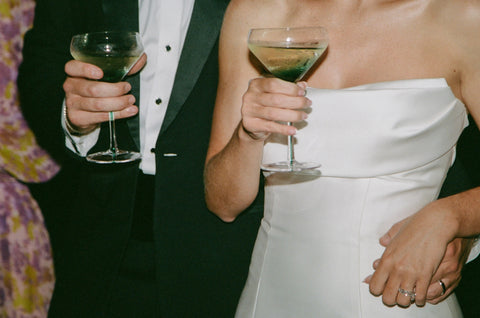


3-Piece Suit Guide: Classic Elegance for Weddings
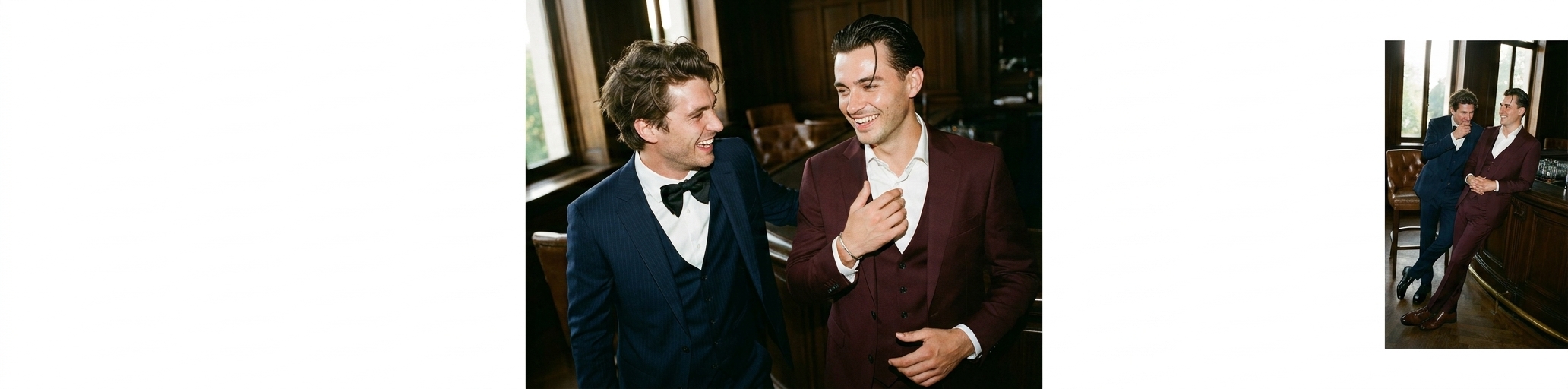
- Summary
- Why Choose a 3 Piece Suit for Your Wedding
- Selecting Fabric, Color, and Sustainable Options
- Perfect Fit and Tailoring for Every Body
- Styling the 3 Piece Suit for Ceremony and Reception
- Transitioning Seamlessly from Ceremony to Celebration
- Care, Maintenance, and Long‑Term Value
- Key Takeaways
- References
Master the three-piece suit's timeless structure, fabric choices, and styling techniques to look polished from ceremony through reception. The waistcoat's layering versatility lets you transition seamlessly through your wedding day while maintaining intentional elegance.
Why Choose a 3 Piece Suit for Your Wedding
A matching waistcoat adds structure to your torso and keeps you polished throughout the reception, making the three-piece suit a considered choice rather than a default.
Understanding the 3 piece suit components
A 3 piece suit has three components -- a jacket, a waistcoat (or vest), and trousers -- all cut from the same fabric and pattern. [1] The waistcoat is what sets it apart from a standard two-piece: it adds structure to the torso and keeps you looking polished even when the jacket comes off at the reception. [1] Traditionally, a single-breasted waistcoat features six buttons, with the bottom one left undone for comfort when seated -- a convention worth knowing before a two-hour ceremony. [1] That matching requirement matters more than most people realize; pairing a patterned jacket with a mismatched vest gives you a suit with an odd vest, not a true 3 piece suit. [1]
Historical evolution and modern relevance
The three-piece suit traces back to 17th-century England, when King Charles II introduced a coordinated long coat, waistcoat, and breeches as a deliberate move away from ornate Baroque dress. [4] By the Victorian era, wearing a matching waistcoat wasn't a style choice -- it was practical, since homes lacked central heating and the extra layer was essential warmth during long days. [4] As central heating became standard through the 20th century, the vest quietly fell out of daily use, which is exactly why wearing one today reads as intentional rather than expected. [4] That shift in context is what gives the modern 3 piece suit its weight at a wedding -- it's a considered choice, not a default. [4]
How the extra waistcoat elevates formality
The waistcoat does specific things to your silhouette that a two-piece can't: its V-shaped neckline frames your shirt and tie, while the vertical line from chest to trouser waistband lengthens the torso and adds structure. [5] Adding lapels raises formality further -- a lapelled vest reads more formally than one without, giving you a practical lever when you're working out where your look sits on the formal attire hierarchy between lounge suit and morning dress. [5] At a wedding, there's also a functional case for wearing one: when the jacket comes off at the reception, the waistcoat keeps the outfit complete rather than defaulting to shirt-and-trousers. [6] That coverage of the trouser waistband -- a fit requirement, not just aesthetics -- is what keeps a vest-only look polished rather than underdressed. [5]
Who benefits: grooms, groomsmen, and guests
Each role at a wedding calls for a slightly different approach to the 3 piece suit.
Grooms benefit from the added formality -- it signals intent without crossing into black tie territory, which suits a formal ceremony without feeling overdressed. [7] Groomsmen in matching 3-piece configurations create visual cohesion across the party, while small variations in fabric or color keep each person distinct without disrupting the overall look. [8] For guests, a 3-piece reads as an occasion choice rather than a default suit -- appropriate when the dress code is formal but a tuxedo feels like too much. [7] Our groom vs. groomsmen guide breaks down how each role should sit differently within the same 3-piece framework.

Selecting Fabric, Color, and Sustainable Options
Choose fabric weight by season--light wool for spring, breathable linen or cotton for summer, and heavier wool or cashmere blends for winter warmth.
Seasonal fabric guide for spring, summer, fall, and winter
Fabric choice is the single most practical decision when planning a 3-piece suit for a wedding -- the wrong weight in the wrong season affects comfort far more than color or cut ever will.
Spring and early fall are well-served by light wool or wool blends, which handle temperature swings without adding visual bulk to the three-piece silhouette. [9] Summer weddings are where linen and cotton earn their place: both are highly breathable and reduce moisture buildup during long outdoor ceremonies, making them the clearest warm-weather call. [9] For winter, heavier wool, flannel, or cashmere blends provide genuine insulation while keeping the suit's structure intact -- our complete guide to suit fabrics covers weight specifics if you want to compare options before committing. [9]
Trending 2025 wedding colors and classic palettes
In 2025, the most-worn suit colors at weddings have moved beyond navy and charcoal -- deep greens, rich burgundies, and brown are now strong choices for grooms wanting something personal without going off-palette. [11] Earthy tones like sage green, terracotta, and warm beige work particularly well at outdoor and rustic venues, where they read as deliberate rather than default. [12] Classic neutrals like navy and charcoal grey remain reliable year-round options -- they photograph cleanly in any setting and re-wear well after the wedding. [10] If you're working out which color suits your venue and dress code, our suit color guide breaks the full spectrum down by season and formality.
Texture and pattern choices that stay timeless
For a 3 piece suit at a wedding, pattern scale is the most practical way to gauge formality: smaller, tighter options like pinstripes and herringbone photograph cleanly and sit comfortably in formal settings, while larger checks and chalk stripes read as too casual for most ceremonies. [14] Herringbone -- a V-shaped zigzag weave -- adds subtle texture and visual depth without competing with your shirt and tie, and its upward-pointing lines help elongate the torso, making it a particularly strong choice for shorter frames. [13] Pinstripes are the most widely accepted patterned option in formal suiting; navy pinstripes carry a traditional quality that holds up in photographs decades from now without ever feeling trendy. [14] If you want texture with no visible print, birdseye and nailhead weaves offer dot-like surface detail that reads nearly solid from a distance -- enough visual interest to avoid looking flat, without the pattern doing too much. [14]
Eco‑friendly fabrics and responsible sourcing
If sustainability factors into your wedding planning, a few fabric options translate well into a 3-piece suit without sacrificing structure.
Organic cotton and linen require significantly less water and no synthetic pesticides compared to conventional alternatives -- solid choices for warmer-season weddings. [15] Recycled wool, produced from repurposed garments and production offcuts, reduces reliance on virgin fiber while retaining the structure and insulation that makes wool the default suiting material. [15] TENCEL(TM), derived from sustainably harvested eucalyptus in a closed-loop process that recycles its solvents, offers smooth drape and biodegradable credentials worth considering if you plan to re-wear the suit beyond the wedding day. [16] Certifications like GOTS (Global Organic Textile Standard) or the Responsible Wool Standard are the clearest way to verify that sourcing claims go beyond the label. [16]
Perfect Fit and Tailoring for Every Body
Master the seven key measurements--chest, waist, seat, shoulder width, sleeve length, inseam, and vest length--to ensure your 3-piece suit fits perfectly for all-day comfort.
Essential measurements for a flawless 3 piece suit
Getting a 3-piece suit right comes down to seven measurements: chest, waist, seat, shoulder width, sleeve length, trouser inseam, and vest front length. [17] For the jacket, measure around the fullest part of your chest with 2-3 fingers under the tape -- a 40-inch chest typically calls for a 42-43 inch jacket to leave room to move. [17] Vest front length runs from the shoulder seam to just past the trouser waistband, covering the belt completely when the jacket is off. [18] The seat measurement is the one trouser dimension that can't be easily altered after the fact, so measure around the fullest part of your hips with the tape snug and parallel to the floor. [18] Our suit jacket size chart translates those chest numbers into jacket sizes for a quick reference.
Comparing slim, tailored, and regular cuts
The three cuts differ in how much room they leave through the chest, waist, and seat -- and the right choice depends on your build and how long you'll be in the suit.
Slim fit uses roughly two inches less fabric than a tailored cut, with higher armholes and a narrower seat; it suits lean frames well but tends to restrict movement during a full wedding day. [19] Tailored (or modern) fit sits in the middle: shaped at the waist without clinging, with enough room in the chest and shoulders for all-day comfort, making it the most broadly flattering option for most body types. [19] Regular fit hangs straight through the torso with minimal waist suppression, which works for broader builds or anyone prioritizing mobility over silhouette -- our tailored vs. off-the-rack guide covers how each cut behaves across different construction methods. [20]
Waistcoat fit tricks: length, buttoning, and comfort
Three fit points determine whether a waistcoat works: length, buttoning, and torso fit.
The bottom of the vest must fully cover your trouser waistband -- belt loops included -- with no shirt visible beneath it; going slightly longer is always the safer choice, since movement through a full wedding day can cause the vest to shift up. [21] Leave the bottom button undone on any vest or waistcoat -- single- or double-breasted -- since fastening it creates fabric tension across the midsection and causes bunching when you sit. [22] Through the torso, the vest should fit close with a slight taper at the waist; most include an adjustable buckle at the back, and our suit alterations guide covers what a tailor can realistically adjust if the fit needs refinement after the fact. [22]
Common fit pitfalls and professional alteration tips
The shoulder seam is the one fit point that can't be cheaply fixed -- if it overhangs your natural shoulder or pulls tight, the alteration is expensive enough that most tailors recommend sizing differently instead. [23] Sleeve length is the opposite: showing a quarter inch of shirt cuff is one of the most affordable fixes a tailor makes, along with taking in a boxy jacket torso. [23] For trousers, tapering and hemming cover most issues -- shorter frames benefit from minimal or no break to preserve visual height, while taller builds can carry a full break comfortably. [24] Avoid pulling the tape tight when measuring yourself at home; that single mistake causes lapels to buckle and fabric to pull across the back once the jacket is buttoned. [25]
Styling the 3 Piece Suit for Ceremony and Reception
Match your tie's temperature tones to your suit--navy pairs with burgundy or silver, while brown suits call for warmer shades like gold or rust.
Coordinating shirts, ties, and bow ties with the vest
The vest's V-shaped neckline frames your shirt and neckwear more prominently than a two-piece does, so those choices carry more visual weight than usual.
Spread collars work best with bow ties -- they give the wings room to sit properly without crowding the collar points. [26] A practical rule for both ties and bow ties: patterned suits call for solid neckwear, while solid suits can handle texture or pattern without competing. [26] Silk is the most versatile tie fabric for a wedding, pairing cleanly with wool suiting across every formality level. [27] For color, match temperature tones -- navy and charcoal suit cool pairings like burgundy or silver, while brown suits call for warmer shades like gold or rust. [28]
Pocket squares, cufflinks, and subtle accessories
Pocket squares and cufflinks are the two most controllable variables in a 3-piece suit's accessory stack. Pairing logic for pocket squares is straightforward: a patterned tie calls for a solid square, and a solid tie works well with pattern or texture [29].
White linen is the most versatile option -- it pairs with any suit color, works across every formality level, and is the safest choice if you're unsure [29]. If you're wearing a French-cuff shirt, cufflinks shift from optional to required; coordinate metal finishes so silver cufflinks pair with a silver tie clip or watch, and gold groups together the same way [30].
Our suit accessories guide covers the full hardware range if you want to compare options before deciding.
Footwear selection: dress shoes versus smart loafers
For a 3-piece suit at a formal or semi-formal wedding, cap-toe oxfords in black or dark brown are the most reliable choice -- they're minimal, photograph cleanly, and match the suit's structure without competing with it. [31] A practical rule: keep your shoes darker than your suit, so black suits take black leather, navy or charcoal suits pair with black or dark brown, and brown suits call for a darker shade of brown. [31] Loafers are a solid option for summer or outdoor ceremonies where the dress code leans casual -- tassel loafers sit higher on the formality ladder than penny loafers and can work well with a linen 3-piece suit in a relaxed setting. [32] If you go sockless with loafers, invisible socks are worth wearing for all-day comfort through a long reception. [32]
Layering and climate considerations for outdoor or destination weddings
For outdoor or destination weddings, the 3-piece suit's layering structure works in your favor: removing the jacket during warmer stretches keeps you cool without losing a polished look, since the waistcoat holds the outfit together. [34] Linen and lightweight cotton are the strongest fabric choices for warm-weather venues -- both manage heat and humidity without trapping moisture the way heavier wools or thick synthetics do. [33] Indoor air-conditioning at reception venues can differ sharply from outdoor ceremony temperatures, making the ability to layer up or down more practical than it might first appear. [33] For beach or tropical settings, neutral tones like ivory, soft blue, and sage green reflect heat and photograph cleanly in bright outdoor light. [33]


Transitioning Seamlessly from Ceremony to Celebration
Keep your vest-only look polished through the reception by choosing darker fabrics, ensuring a close fit through the torso, and removing your tie to shift from ceremony formality to comfortable celebration.
Graceful jacket removal and vest‑only look
When the reception ramps up and the jacket comes off, a few small details determine whether the vest-only look holds up or just looks like you ran out of outfit. [36] Hang the jacket rather than leaving it crumpled over a chair -- this preserves the shoulder structure for any formal portraits later in the night. [35] The vest itself works best here when it fits close through the torso and fully covers your trouser waistband; any gap between the hem and the waistband becomes more visible once the jacket is no longer framing the look. [36] Darker fabrics -- navy, charcoal, or black -- are particularly practical for the vest-only stretch of the evening: they stay looking clean through hours of dancing better than lighter options. [37]
Tie‑less or bow‑tie alternatives for a relaxed vibe
Going tie-less at the reception is one of the easiest ways to shift the 3 piece suit from ceremony formality to something more comfortable without losing the structure the vest provides. [39] When you remove the tie, the vest's V-neckline still frames your collar cleanly -- an open-collar dress shirt reads as intentional, while anything casual underneath, like a polo, would look out of place with the waistcoat still on. [39] Bow ties are a stronger pre-planned alternative for this transition: they're self-contained, don't loosen or twist during dancing the way a long tie does, and their fixed shape keeps the neckwear looking composed well into the reception. [39] If you go tie-less, keep the shirt buttoned to the second-from-top button to maintain the collar's shape and avoid an unintentionally disheveled read against the vest's structure. [38]
Mixing and matching colors with the wedding party palette
When coordinating a 3-piece suit with the wedding party palette, the goal is intentional relationship rather than exact color matching -- working within a shared color story reads more cohesively than trying to mirror specific shades precisely. [40] A single unifying element, such as a shared tie color, consistent pocket square fabric, or vest tones that echo the bridesmaids' dresses, gives the group visual harmony without requiring identical outfits. [41] For groomsmen in 3-piece configurations, the vest is the most practical coordination tool: it can reflect a palette color while the suit itself stays in a neutral like navy or charcoal, keeping the look grounded. [40] Our groomsmen suit coordination guide covers how to distribute color thoughtfully across the party so both sides of the aisle feel balanced rather than symmetrically forced.
Quick style adjustments for after‑party comfort
By the time the after-party starts, the 3-piece suit's separability is its strongest asset -- jacket stored, vest optional, trousers carrying the look as the foundation of a stripped-back outfit. [42] Rolling shirt sleeves to just below the elbow and leaving the vest unbuttoned, rather than removing it entirely, keeps the look intentional without carrying full ceremony formality. [43] Pairing the trousers with a lighter button-down -- linen or chambray in warmer venues -- extends the outfit's range without requiring a full change of clothes. [44] Treat each layer removal as a deliberate choice rather than gradual dishevelment: that distinction is what separates an after-party look that reads polished from one that just looks like you ran out of event. [42]


Care, Maintenance, and Long‑Term Value
Rotate your suit between wears and store it on a wide wooden hanger in a breathable garment bag away from direct sunlight to preserve its structure and appearance for years.
Post‑wedding cleaning and proper storage
After the wedding, resist the reflex to dry clean immediately -- wool is antimicrobial and handles light odors well with overnight airing, making once-a-year dry cleaning plenty and protecting the fibers from repeated chemical wear. [45] Before storing, brush the suit with a boar-hair brush in downward strokes to lift surface dust, lint, and any debris from the day. [46] Hang the jacket on a wide wooden hanger sized close to your shoulder width -- a narrow hanger lets the shoulder structure crease under the jacket's own weight over time. [45] Store it in a breathable cotton garment bag rather than plastic, in a cool, dark space with a cedar block or two to deter moths, and give the suit enough room in the closet so the fabric can breathe between wears. [45]
Protecting fabric, color, and shape over time
Direct sunlight is the most underestimated threat to a suit's long-term appearance -- UV exposure fades darker fabrics and weakens fibers without any visible warning until the damage is already done. [47] Rotating your suit rather than wearing it on consecutive days gives the fabric time to decompress and recover its natural shape, which meaningfully extends structure over months of regular use. [48] Avoid spraying cologne directly onto the fabric; fragrance products can stain or discolor suit fibers in ways that are difficult for a cleaner to reverse. [48] For wrinkles that accumulate between wears, a handheld steamer is safer than an iron -- direct heat contact can scorch fine wool and flatten the natural texture of the weave. [48]
When to schedule professional alterations or repairs
Schedule alterations at least two to three weeks before the wedding -- standard turnaround at most tailors runs a few days to a couple of weeks, and rush service adds cost without improving the result. [51] Address repairs as soon as you notice them: a seam caught early costs far less than one that's been under stress through multiple wears. [49] Shoulder fit is the one issue worth resolving immediately after purchase, since the correction is expensive enough that most tailors recommend sizing differently rather than rebuilding the structure from scratch. [49] Sleeve length, trouser hemming, and waist suppression are all fast, affordable fixes -- any skilled tailor can complete them within a standard window as long as you book with enough lead time. [50]
Building a versatile wardrobe with a timeless 3 piece suit
A 3-piece suit in a neutral color like navy or charcoal gives you more outfit combinations than you'd expect: wear all three pieces for formal occasions, drop the vest for a standard two-piece, or wear the waistcoat alone as a smart-casual layer when a full jacket is too much. [52] The jacket also works as a standalone blazer with different trousers, so one purchase covers multiple looks across different contexts. [52] Choosing a broadly wearable color and fabric from the start -- rather than a highly seasonal style -- determines whether the suit stays in regular rotation or gets worn once. [53] If you're weighing renting versus buying, our guide to one-time event rental vs. building a formal wardrobe breaks down the cost logic for both.
- A 3-piece suit's waistcoat adds structure and keeps you polished when the jacket comes off at the reception.
- Fabric weight matters more than color--choose light wool for spring/fall, linen/cotton for summer, and heavier wool for winter.
- Perfect fit requires seven measurements: chest, waist, seat, shoulder width, sleeve length, trouser inseam, and vest front length.
- The vest's V-neckline frames your shirt and tie more prominently, so coordinate spread collars with bow ties and match temperature tones.
- Darker fabrics like navy and charcoal photograph better and stay clean longer during the vest-only reception portion.
- Removing the tie at the reception shifts the look from ceremony formality to comfort without losing structure the waistcoat provides.
- A neutral 3-piece suit in navy or charcoal creates multiple outfit combinations beyond the wedding--wear all three pieces, drop the vest, or wear the waistcoat alone.
- https://hespokestyle.com/mens-three-piece-suit-guide/?srsltid=AfmBOoqK5ackIkd5rUyQ45bZTvig3mPTbC_V7r6msN5QPeyaSEKwqtVD
- https://sartoro.co/blogs/sartorial/suit-history?srsltid=AfmBOorSGaHUGN1y1qaOiCDSmTm7-RT0vsfSrpllI-yuUdMQIom3HyPh
- https://www.gentlemansgazette.com/evolution-of-menswear-suits/
- https://mond.com/guides/the-three-piece-suit-the-staple-of-formal-fashion/?srsltid=AfmBOor3rt4qFFhDaM8p5n_OG-vN3L5vOCk7j2AIJ-03tF6H1Ar5RKez
- https://www.gentlemansgazette.com/men-waistcoats-odd-vest-how-to-wear/
- https://www.aristocracy.london/gentlemans-blog/style-guide/mens-wedding-outfits-a-gentlemans-complete-guide/
- https://www.josbank.com/blog/3-piece-suit-guide/?srsltid=AfmBOopHBqV77E6f1SoCH5lWeW9YDM4gQkxiJiKGzsuWuzSaJwGxqV4_
- https://www.charlestyrwhitt.com/us/what-to-wear-to-a-wedding.html
- https://www.oliverwicks.com/article/suit-material?srsltid=AfmBOoo2YegJHZ06z8kH0xA2w_FBI0vM87BiiK3Cy8OllGlH52H9jIQJ
- https://www.theknot.com/content/colorful-mens-suits-tuxedos
- https://www.capitolhillclothiers.com/style-guides/2025-wedding-suit-trends-for-men?srsltid=AfmBOooz19MTG9Jp1LMcca_dL6n1ieYXnBg0D_jIQ70qwkKkHoBmvjeX
- https://www.hayariparis.com/mens-wedding-suit-trends-for-2025/
- https://hangrr.com/resources/herringbone-suits-comprehensive-guide?srsltid=AfmBOormeihwzWxOo3A4kl0i6B3ONCkcdcY_DuJZwQYOmIbi1AjRiwrQ
- https://garrisonbespoke.com/tailored-suits-8-patterns-know
- https://bentexsuits.com.au/2025/06/06/sustainable-tailoring-eco-friendly-fabrics-for-your-custom-wedding-suit/
- https://suvetah.com/blogs/latest-blogs/best-sustainable-fabrics-for-designers?srsltid=AfmBOoquzyO7IH4znmqt9sOwLucbj_H1VYNL2W-QDklFSsulR8nVtsDW
- https://us.spierandmackay.com/fit-guide/3pc-suits-size-chart
- https://www.leonardsilver.com/pages/measure-yourself-guide
- https://www.oliverwicks.com/article/modern-fit-vs-slim-fit?srsltid=AfmBOopTPOpUXU6XjIft3VN0cCLJzfsImpNS8jGISQXTHJzPaDLtgPSq
- https://twelve19styles.co.uk/blogs/editorial/men-s-suits-for-different-body-types-finding-the-most-flattering-fit?srsltid=AfmBOopprxzbuuUZ3z7oUOmdMXpmqffmAsGqLqrS_pvmRtJXxuTba70d
- https://westwoodhart.com/blogs/westwood-hart/three-piece-suit-guide-vest-waistcoat?srsltid=AfmBOorCwLr9nhAXdKZ8vCdUgM9WgfT9UYeHkduCguMOgq845eGZ8vNm
- https://blacklapel.com/blogs/the-compass/suit-vest-button-rules-and-etiquette?srsltid=AfmBOorVwW63TtHArUg-8F8MckIpFqdp_AXfnwj5YFu8Sopw57VsufwE
- https://alterations-express.com/2021/09/14/4-tips-for-suit-alterations-tailoring/
- https://nimbleneedle.ca/blog/most-common-suit-alterations
- https://dandylionstyle.co.uk/how-to-measure-for-a-3-piece-suit
- https://opposuits.com/blogs/opposuits/3-piece-suits-with-bow-tie-styling-guide?srsltid=AfmBOorVZ3527vgLgS2RG6mJLB81BX58vLSr5iToU2cHb0EebwIKMS8f
- https://hisdern.com/blogs/wedding/forget-the-blazer-summer-wedding-vest-guide?srsltid=AfmBOorj9Nrm09WPKAvwiGv2qK67QJTpk46uVAQeAVSvs0bKERajTJgb
- https://bowties.com/blogs/the-gentlemans-guide/how-to-match-a-bow-tie-with-an-outfit?srsltid=AfmBOoqM7iy_TAFf2ohbgYjES_yrO858YHvhEg1stxpyqfWW3rk-V2CV
- https://www.gentlemansgazette.com/how-to-combine-pocket-square-tie-suit-shirt/
- https://cafecostume.com/blog/what-accessories-should-you-wear-with-a-groom-suit/?srsltid=AfmBOortgfK2mzdLwCb3YBrQOwt7CCrYBxAfBUHX-8cpW-SsWh4JY4H7
- https://www.cobbler-union.com/blogs/journal/wedding-dress-shoes-for-men?srsltid=AfmBOoou33iSxyoKbNZS1kpLG8GqntnQpdCZzXgV4yDdvA1ze9XBVY2c
- https://www.hockerty.uk/en-uk/blog/wedding-shoes-for-men
- https://www.thetiebar.com/blogs/news/what-to-wear-to-a-destination-wedding-complete-mens-guide?srsltid=AfmBOopOWOUv8D3lvdQgEFAAIRCa8JJ1ekXP1V3290TGUAq3oyEih-Jb
- https://www.tweedssuitshop.com/why-a-green-three-piece-suit-is-the-ultimate-wedding-style-statement
- https://hespokestyle.com/mens-three-piece-suit-guide/?srsltid=AfmBOoqOWhL3QRHQPEO-X4hqZEYO67Tz1TRZrTZ9Q0_W0L8CRRMIHk0P
- https://www.wessi.com/es/blogs/male-fashion-advices/can-you-wear-a-three-piece-suit-in-july-styling-tips-for-grooms?srsltid=AfmBOopw5Cv0sktvUG9451C0Qzcu6BNfzG6KWbImKdnUHj-1rwlMveuz
- https://dolcevitasuits.com/stand-out-with-a-suit-vest-on-your-wedding-day/
- https://hespokestyle.com/mens-three-piece-suit-guide/?srsltid=AfmBOopjpA9Am4yx3qb-Z-K7nT-XHVvVSrjGLn4Vt8kC27YNgqkZKMjZ
- https://blacklapel.com/blogs/the-compass/when-to-wear-a-three-piece-suit-and-when-not-to?srsltid=AfmBOopo414MEUKn1wEbUu36n6rP9lp7ZL5gvEWs8xNbWxco9tIeBxLB
- https://blossomandrhyme.com/blogs/news/coordinate-bridesmaids-and-groomsmen-colors?srsltid=AfmBOoqMb3JDjyVoP6Zpmnnq1OyPMOVnphlEnLBUlC4cIlQunD3rnqGx
- https://marcdarcy.co.uk/blogs/news/groomsmen-style-coordinating-the-party
- https://www.josbank.com/blog/3-piece-suit-guide/?srsltid=AfmBOooMC_ogWjL6LFodi1e0XqBGp_JpSa2awsQzonzinRD70FrcV-mY
- https://www.montagio.com.au/cms/wedding-suits-complete-guide
- https://www.lemon8-app.com/@aliciammara/7245043042355675653?region=us
- https://www.watsonellis.com/suit-care
- https://bespokeedge.com/blog/how-to-take-care-of-your-suit
- https://culwell.com/how-to-care-for-and-store-suits-properly/
- https://jimmyscleaners.net/a-mans-guide-to-suit-care-cleaning-storage-longevity/
- https://tailyit.com/signs-that-youre-in-a-poor-fitting-suit/
- https://www.permanentstyle.com/2015/07/five-tips-on-suit-alterations.html
- https://admiralcleaners.com/what-affects-the-cost-of-clothing-alterations-six-factors-that-impact-what-youll-pay/
- https://hespokestyle.com/mens-three-piece-suit-guide/?srsltid=AfmBOood6vyFCRnaeFa9wDriSj_wTkeM4i_fOiXJT8NzIATSCDvYdi1Q
- https://astares.co.uk/blog/beyond-the-i-do-making-your-wedding-suit-a-long-term-investment


