

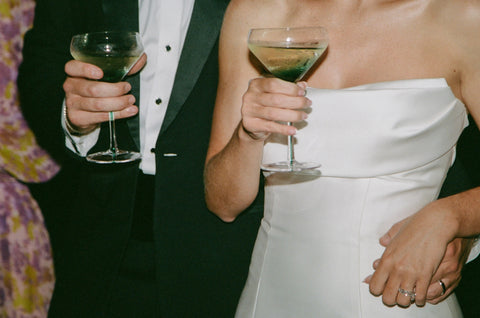


Black Tie Optional: What to Wear as a Guest
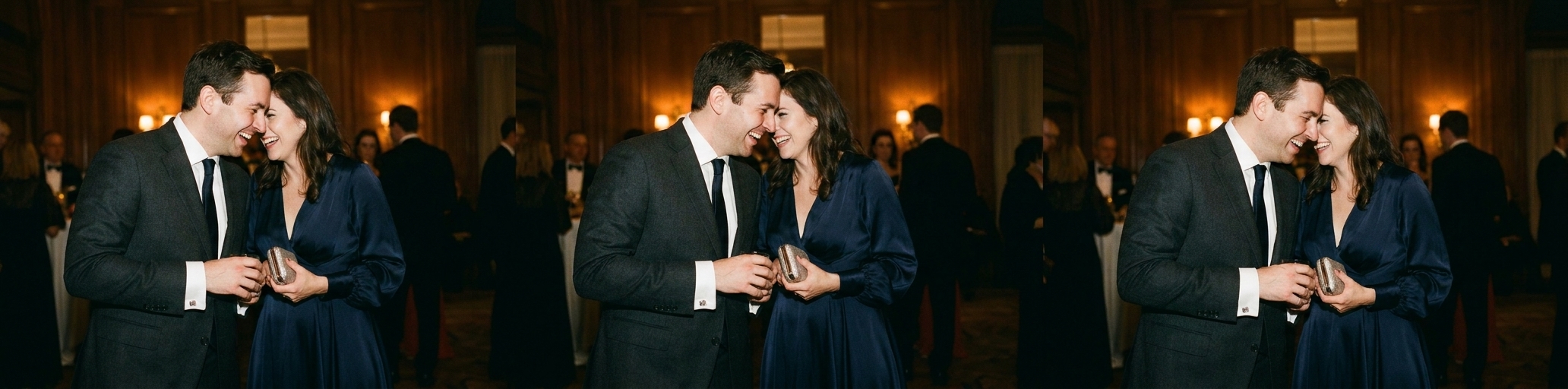
Learn how to navigate black tie optional by choosing between a tuxedo and dark formal suit for men, or a floor-length gown and polished cocktail dress for women. Commit fully to either formal option and prioritize fit over formality level to ensure you look sharp and respectful of the dress code.
What Black Tie Optional Really Means: The Direct Answer
Black tie optional means choosing between a tuxedo and dark suit for men, or a gown and cocktail dress for women.
Black tie optional is an invitation to choose between formal and business formal attire
Black tie optional sits between full black tie and cocktail dress codes -- it signals that the hosts are dressing at peak formality and expect guests to follow close behind [1]. For men, this means choosing between a tuxedo and a dark formal suit; both are appropriate, but a casual suit or sport coat doesn't clear the bar [2].
For women, options span from a floor-length gown to a polished cocktail dress or tailored pantsuit [2]. The phrase is best read as a range, not a loophole -- you're choosing between two elevated options, not opting out of formality altogether [1].
How black tie optional differs from black tie, semi-formal, and cocktail dress codes
Black tie sits one full tier above black tie optional: it requires a tuxedo for men and a floor-length gown for women, with limited room for alternatives [4].
Black tie optional opens up a dark suit as a legitimate choice and allows women to wear a knee-length or midi dress instead of a full-length gown [4]. Cocktail attire sits below black tie optional -- tuxedos are off the table entirely, hemlines shorten, and the overall formality drops a clear notch [3].
Semi-formal falls further still, where slacks and a dress shirt work for men and a tie becomes optional rather than expected [3].
Why hosts use black tie optional: flexibility without sacrificing elegance
Hosts choose black tie optional when they want an elevated atmosphere but recognize that requiring a tuxedo might be too big an ask for everyone on the guest list. [6] The phrasing signals that the hosts themselves plan to dress at full formal--tuxedo, evening gown--and are inviting guests to meet them there without making it mandatory. [6] It's a practical concession: not everyone owns formalwear or wants to rent it for a single event. [5] The intent is inclusion, but the result can be confusion--which is why, as a guest, leaning toward the more formal option is almost always the right call. [5]

Black Tie Optional Attire for Men: Building Your Look
A well-fitted dark suit in merino wool meets black tie optional standards as confidently as a tuxedo when the fabric and tailoring are right.
Can you wear a normal suit to a black tie optional event?
Yes--here's what makes it workThe answer is yes, but not every suit clears the bar.
Dark suits in charcoal, navy, or black are legitimate alternatives to a tuxedo at a black tie optional event -- as long as the fabric is solid or subtly textured and the cut is properly tailored.[6] Fit is the most critical factor: a suit you already own and have fitted will often look sharper than a rented tuxedo that doesn't sit right on your frame.[6] If you're still weighing the tux vs suit decision, the clearest tiebreaker at a black tie optional event is how confidently each option actually fits you.[6] This dress code doesn't lower the standard -- it gives you an alternate path to meeting it.[6]
The foundation: 100% merino wool suits and tuxedos that transition between formal and business formal
Fabric is what makes a suit register as formal rather than business casual at a black tie optional event. 100% merino wool sits at the intersection of both formality levels because it holds structure under event lighting, drapes cleanly through a long evening, and resists the synthetic sheen that undercuts the dress code.[8] For tuxedos specifically, drape, depth, and how the cloth interacts with light are the priorities -- a fabric weight above 300g delivers the body and fall that formalwear requires.[8] That combination means a well-cut merino suit or tuxedo can carry you from a formal board dinner to a Saturday wedding without missing the mark at either.[7]
Shoes, accessories, and grooming details that elevate your black tie optional outfit
Shoes set the foundation: black plain-toe or cap-toe oxfords, well-polished, are the standard choice, and socks should match your trouser color -- black silk over-the-calf socks are the most formal option [6]. For accessories, French cuffs allow for cufflinks in silver, gold, or a conservative stone; a white linen pocket square in a simple fold keeps things clean without looking like it came matched to your tie [6].
If you're deciding on leather options, both patent leather and high-shine calf work at this formality level, with patent leather reading slightly more formal [6]. Grooming is the final layer: a clean haircut, neat facial hair, and polished shoes complete the look in a way no accessory can compensate for if neglected [9].
Black Tie Optional Attire for Women: Dress Length, Color, and Style
Midi dresses work for black tie optional if you choose structured fabrics and formal colors like black, navy, or jewel tones.
Length, fabric, and formality: what separates black tie optional from black tie for women
The clearest difference between black tie and black tie optional for women is the hemline.
Black tie expects a floor-length gown in a luxury fabric -- silk, organza, or lace -- and midi lengths are generally off the table.[10] Black tie optional relaxes that rule: a well-chosen midi dress works, but anything above the knee reads too casual for the dress code.[1] Fabric still signals formality regardless of length -- structured materials like satin and crepe photograph well under reception lighting and hold their shape through a long evening, making them the safest picks at either level.[11]
Color choices for women: what works, what to avoid, and why neutrals reign supreme
Black, navy, and deep jewel tones -- emerald, burgundy, amethyst -- are the strongest choices at a black tie optional event, sitting squarely in the formal range without extra styling work to justify them. [1] White, ivory, pastels, and neon hues are off the table: white risks overlapping with the couple, while pastels and neons undercut the formal register this dress code requires. [12] Metallics land well here too, either as a full fabric choice or as detailing -- they add visual weight under evening lighting without veering into flashy territory. [12] When in doubt, black earns its place as the default neutral because it pairs with nearly any shoe or accessory and stays clear of any bridesmaid color palette. [12]
Accessories and finishing touches that signal you understand the dress code
Accessories at a black tie optional event should support the outfit rather than compete with it -- the goal is a cohesive look, not a maximalist one. [13] A small satin or metallic clutch handles the bag category cleanly; statement earrings -- bold drops or chandelier styles -- frame the face well when the neckline is kept simple. [13] For jewelry, gold or silver metallic tones add refined shine without drawing attention away from the dress. [14] Heels in neutral tones or metallics are the standard footwear choice, and sleek flats clear the bar too -- but anything with a platform silhouette or casual finish drops the formality of an otherwise polished outfit. [14]
Black Tie Optional Protocol: The Etiquette Rules and Common Mistakes
The black tie optional protocol: what guests should and shouldn't do
The clearest rule for black tie optional attire: pick one level of formality and commit to it fully. [1] Wearing a tuxedo jacket with casual trousers, or a dark suit without a tie, signals indecision rather than flexibility -- the dress code gives you a choice, not a pass on execution. [1] Since the couple is typically dressed at full black tie, matching their energy is the courteous move, and if you're genuinely unsure where your outfit lands, leaning toward the more formal option is almost always the right call [12].
Keep your look polished but not attention-grabbing: bold, flashy ensembles pull focus from the couple, which runs counter to the spirit of the dress code [12].
What not to wear to black tie optional: 5 common mistakes that undermine your look
The five most common mistakes at black tie optional events are: wearing a light-colored or medium-grey suit, going tieless, pairing a black bow tie with a dark suit, wearing a tuxedo shirt with a suit, and mixing separates -- jacket and trousers cut from different fabrics. [6] Each signals the same underlying problem: treating "optional" as permission to scale back on execution rather than as a choice between two formal paths. [6] For women, the equivalent errors are hemlines above the knee and wearing white, ivory, or neon colors -- all of which fall short of the formality this dress code requires, with white also risking visual overlap with the couple at a wedding. [1]
Fit and style assessment: find your perfect black tie optional look with The Black Tux's Online Fit Survey
Knowing the rules matters, but fit is what actually determines whether a look registers as polished or just dressed up. The shoulder seam should align with the end of your natural shoulder, the jacket should close with about an inch of clearance at the chest, and trouser hems should break cleanly without bunching at the ankle [15].
At that point, the tux-or-suit decision becomes clearer -- both are appropriate at a black tie optional event, but only when the proportions are working for your specific frame [15]. The Black Tux's Online Fit Survey walks you through these measurements before you finalize your look, so you're choosing between two sharp options rather than guessing.
- Black tie optional means choosing between a tuxedo or dark formal suit--both are equally appropriate choices.
- Dark suits in charcoal, navy, or black work only when properly tailored with solid fabrics and impeccable fit.
- Fabric quality matters more than formality level: merino wool and structured materials signal elegance under evening lighting.
- For women, hemlines must hit at midi length or floor-length; anything above the knee reads too casual.
- Common mistakes include mixing formality levels, wearing light-colored suits, going tieless, or choosing hemlines above the knee.
- Proper fit is the ultimate deciding factor--shoulder seams, chest clearance, and trouser breaks determine if you look polished.
- When uncertain, lean toward the more formal option to match the hosts' full black tie attire and energy.
- https://www.theknot.com/content/what-to-wear-formal-black-tie-optional-black-tie-invited
- https://emilypost.com/advice/attire-guide-dress-codes-from-casual-to-white-tie
- https://www.brides.com/story/wedding-dress-code-explained
- https://www.theknot.com/content/wedding-guest-attire-cheat-sheet
- https://www.gq.com/story/black-tie-optional-explainer
- https://www.gentlemansgazette.com/tuxedo-black-tie-guide/etiquette/black-tie-optional-dress-code/
- https://propercloth.com/wedding-guide/formal-black-tie-optional?srsltid=AfmBOorVPqOlEH7CJcHoopZMFOEycOk79_uFuEy5X8Dykk-s3G_QVNQm
- https://www.permanentstyle.com/2020/09/the-guide-to-cloth-for-black-tie-or-tuxedo.html
- https://www.beautiesltd.com/blogs/beau-ties-blog/black-tie-event-dress-code?srsltid=AfmBOorfFsgkSHfv4eOA1rIigBni66TwbFfjIM7o0KIGIXW7UAXx6Bzw
- https://www.vogue.com/article/wedding-dress-codes
- https://www.azazie.com/blog/formal-dresses-for-weddings-black-tie-vs-black-tie-optional/?srsltid=AfmBOoq2Rt__o_GCWbKpjz0EP9OS5EtQELsGrBrkajQO-th2S7NSClyk
- https://www.brides.com/black-tie-optional-wedding-attire-4800698
- https://www.terrycosta.com/blogs/blog/black-tie-attire-for-women?srsltid=AfmBOopKqSr7cYEXbZnhTh-C7Rrr5efx9Vqcf8mNe-vZTRg7ZmRZb0Mm
- https://monsieur-charles.com/blogs/news/your-guide-to-nailing-black-tie-optional-attire?srsltid=AfmBOooX8I4soxtgv0YAlvQBi88CwXZ-VYoTNHv3BvRZdm0OeyjMTXgZ
- https://www.realmenrealstyle.com/visual-suit-fit-guide/


