



Black Tie Wedding: Men's Attire for Your Big Day
This comprehensive guide demystifies black-tie wedding attire for grooms, wedding parties, and guests by tracing the dress code's 150-year history and showing exactly how to execute it today--from selecting peak-lapel tuxedos, midnight-blue alternatives, or warm-weather white dinner jackets to coordinating fabrics and accessories so both partners photograph as a cohesive, elegant pair. Readers learn venue-selection tricks (ballrooms, estates, hotels after 5 pm), seasonal tweaks (white jackets for tropical nights, velvet for winter), and how to signal formality through monochromatic invitations, layered lighting, live bands, and white-glove service that makes every guest feel seamlessly catered to. Practical timelines--order formalwear six months out, schedule groomsmen fittings four weeks before--prevent costly rental mishaps, while inclusive website FAQs and styling cues for mothers, bridesmaids, and "black-tie-preferred" cocktail guests ensure the entire party looks unified without appearing cloned. Ultimately, the article empowers couples to honor black-tie tradition while injecting personal flair, transforming their wedding into a refined evening where impeccable attire, décor, and service converge in unforgettable, photograph-perfect luxury.
Understanding the Black Tie Wedding Dress Code
A black-tie wedding invitation signals an evening of peak elegance--think tuxedos with satin lapels and floor-length gowns in a refined venue after 5 pm--so decode the dress code, match the formality, and you'll honor the couple's vision while feeling confidently chic.
Defining "black tie wedding" and its expectations
When you see "black tie" on a wedding invitation, you're being welcomed into one of the most elegant celebrations in formal entertaining. This dress code, which originated in the 1860s as a more relaxed alternative to white tie events, has evolved into today's gold standard for sophisticated evening weddings [2].
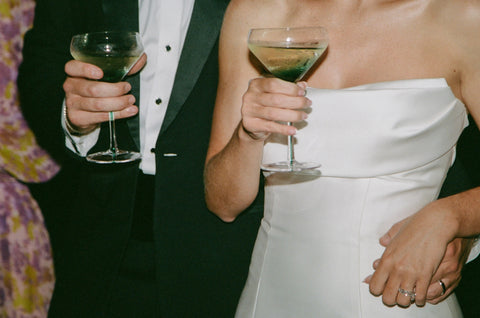
While historically considered semi-formal, black tie now sits just one notch below ultra-formal white tie--making it the most formal dress code you'll likely encounter [2][3]. By choosing black tie, couples are creating a clear vision: men in tuxedos with those distinctive satin lapels and trouser stripes, women in floor-length evening gowns, all contributing to an atmosphere of refined celebration [1][3].
But it's about more than just attire--this dress code signals that every element, from venue to service, will maintain that same elevated standard. Understanding what's expected helps you honor the couple's vision while ensuring you feel confident and appropriately dressed for their special day [2].
Black Tie vs. Black Tie Optional vs. Formal: key differences
Let's decode the three formal dress codes that often leave wedding guests wondering what exactly they should wear.
Understanding these distinctions helps you choose the right attire--whether you're planning to
When a black tie wedding is the perfect fit (season, venue, vibe)
Timing is everything with black tie weddings. These celebrations shine brightest in the evening, with receptions typically beginning at 5 pm or later--though your ceremony can start as early as 2 pm if needed [7]. The later hour naturally enhances that sophisticated atmosphere you're creating. When choosing your venue, think spaces that match the formality your guests will bring in their attire.
Classic ballrooms, historic estates, and upscale hotels with thoughtful amenities like coat checks create the perfect backdrop [7]. Don't feel limited to urban settings--any venue with sufficient elegance works beautifully, whether you're planning for an intimate 100 guests or a grand celebration of 200 [8]. Black tie adapts gracefully to every season with smart adjustments. Planning a summer or destination wedding?
Consider white dinner jackets for the groom and groomsmen--they maintain formality while acknowledging the climate (we'll explore this stylish alternative in our groom styling section) [8]. Your entire event should reflect this elevated standard. Think sophisticated decor with monochromatic palettes, seated dinners with impeccable service, live music that sets the perfect tone, and perhaps arranged transportation for your guests [7]. When every element--from your invitation design to your reception details--maintains this level of refinement, you create an unforgettable experience that truly honors the black tie tradition [8].

Groom & Couple Styling Essentials
Master the black-tie blueprint: pair a satin-lapel tuxedo with midnight-blue or classic black, French-cuff bib shirt, matching bow tie, stripe-trim trousers, patent oxfords, and a cummerbund for a flawless groom's silhouette.
Classic tuxedo components for the groom (jacket, shirt, bow tie, shoes)
Classic tuxedo components for the groom
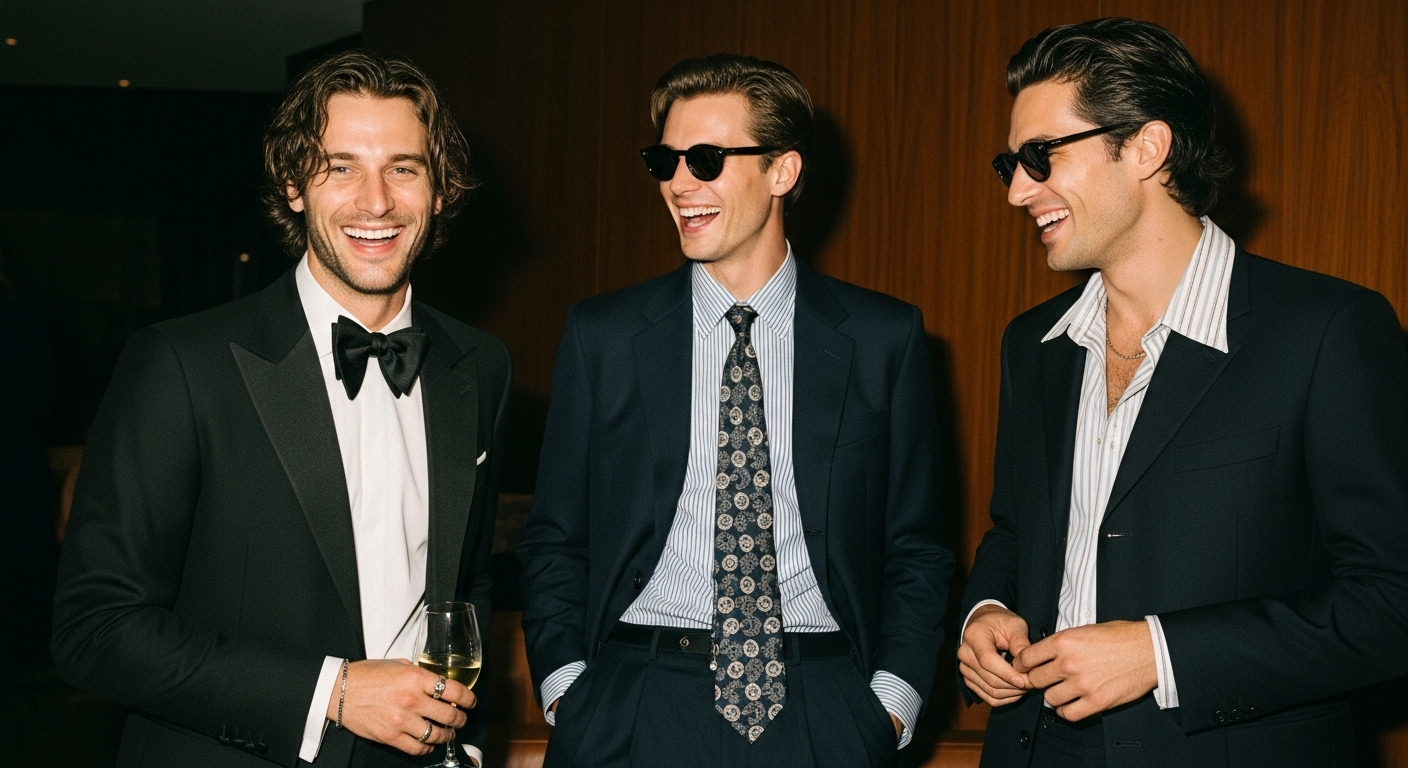
As we've established in understanding the dress code, a tuxedo represents the cornerstone of black tie attire. Let's dive deeper into the specific components that make your formal look complete. The jacket stands apart from standard suits through its satin or grosgrain lapel facings--you'll want peak or shawl lapels for true black tie elegance, steering clear of notch styles [9]. A single button closure covered in matching satin creates a clean silhouette, while jetted pockets maintain those sleek lines you're after [9].
Your trousers should feature a coordinating satin stripe down each outseam, with side adjusters replacing belt loops for a refined fit--and remember, never cuff your formal trouser hems [9]. The shirt makes all the difference: choose a formal white style with a bib front (pleated or piqué) and French cuffs for authentic black tie presentation [9]. Complete your neckwear with a black bow tie in the same material as your lapel facings, and don't forget the waist covering--a cummerbund remains the classic choice, though a low-cut waistcoat works if you prefer [9]. For footwear, patent leather or highly polished calfskin in black remains the standard.
While traditional pumps have given way to oxfords in modern formal wear, either choice works beautifully [9]. When you're considering your options, remember that proper fit transforms these individual elements into a cohesive, powerful look--whether you're
Modern twists: midnight blue, white dinner jacket, subtle textures
While traditional black remains timeless, today's grooms have sophisticated alternatives that honor black tie traditions while adding personal flair. Midnight blue tuxedos have become the insider's choice--this rich shade actually appears darker than black under evening lighting, creating stunning depth in photographs [10]. There's romance in this choice too: when the Prince of Wales (later King Edward VII) commissioned the original dinner jacket in the 1860s, he chose midnight blue over black [11]. For warm-weather celebrations, the white dinner jacket makes a statement while keeping you comfortable.
Pair it with traditional black trousers and contrasting black lapels for a look that's been a favorite at summer and destination weddings since the 1930s [11]. Just remember to maintain those formal structural elements--the satin-faced lapels are non-negotiable, even in lighter colors. Ready to add texture? Subtle patterns like jacquard weaves or matte finishes bring visual interest without overwhelming your formal aesthetic [11].
You might explore luxurious materials beyond standard wool--mohair blends offer exceptional drape and a subtle sheen, while velvet creates dramatic evening elegance [10]. The key is restraint: let one element shine while keeping everything else classically refined. These modern interpretations work because they respect black tie's fundamental principles while allowing your personality to show through.
Coordinating bridal attire and accessories with black tie elegance
Your wedding photos will capture this moment forever, so creating visual harmony between both partners' attire deserves thoughtful consideration. Start by looking at how your chosen styles speak to each other--a structured ball gown or dramatic cathedral train pairs beautifully with the clean lines of a peak lapel tuxedo, while a sleek sheath gown complements a more modern shawl collar style [12]. Think about fabric relationships too. If the bride's gown features delicate lace or soft chiffon, the groom might choose a tuxedo in lightweight wool or even a textured weave that echoes that romantic quality [12].
For brides in modern, minimalist designs, a sharp midnight blue or classic black tuxedo creates the perfect counterpoint. The goal isn't to match exactly but to ensure both looks feel like they belong at the same celebration. Pay attention to the finishing touches--your formal accessories should complement without competing. While the groom's cufflinks, studs, and bow tie follow established black tie guidelines, these elements can subtly echo the bride's jewelry or embellishments through shared metals or design motifs.
Consider how a bride's pearl earrings might inspire mother-of-pearl studs, or how rose gold accents in her jewelry could inform the groom's watch choice [13]. Remember, as outlined in our dress code overview, black tie creates a framework for elegance--not a rigid uniform. When both partners honor these principles while expressing their personal style, the result feels effortlessly sophisticated [12]. Your attire should tell a cohesive story, with each element thoughtfully chosen to create photographs you'll treasure for generations.
Wedding Party and Guest Guidance
Start planning your wedding party's cohesive black-tie look six to eight months ahead by mixing subtle variations--like your midnight blue dinner jacket against their classic black tuxedos--while unifying everyone through complementary accessories and luxurious fabrics that photograph beautifully.
Dressing groomsmen and fathers: unified look with personal touches
Your wedding party's attire should create a cohesive visual story that highlights you as the groom while maintaining elegant unity. For traditional black tie weddings, perfectly matched tuxedos deliver classic sophistication, but you can also explore subtle variations to distinguish key members of your party [14]. Consider setting yourself apart through a contrasting midnight blue dinner jacket against your groomsmen's classic black, or choose a different lapel style--perhaps peak lapels for you and shawl for your party [16]. Fathers deserve special consideration--they should coordinate with the wedding party without looking like another groomsman.
Their attire should reflect their distinct role while complementing the overall aesthetic [14]. Focus on accessories to create unity with personal flair: matching bow ties, pocket squares, or cufflinks tie the look together while allowing individual expression [16]. Rather than exact matches, try complementary colors or varying shades of the same tone for visual interest that still feels harmonious [16]. Timing is everything--start planning these details six to eight months before your wedding, after you've locked in your venue and theme but with plenty of time for proper fittings and alterations [15].
Skip the gamble of ill-fitting rentals and invest in quality formal wear that photographs beautifully. At
Bridesmaids, mothers, and senior guests: appropriate formal options
For the women in your wedding party and family, black tie calls for floor-length elegance. Bridesmaids should choose gowns in luxurious fabrics--think flowing chiffon, rich velvet, delicate silk, or romantic lace [17]. Today's formal wear embraces bold colors and modern details like tasteful slits or contemporary necklines, while maintaining the sophistication your black tie celebration demands [17].
Mothers and senior guests have beautiful options too, from sleek sheaths to classic ball gowns--the key is choosing what makes them feel confident and comfortable [18]. These elegant looks come together with thoughtful accessories: comfortable heels they can dance in, fine jewelry that catches the light, and evening clutches in coordinating satin or patent leather [18]. For "black tie preferred" celebrations, sophisticated cocktail dresses work beautifully when crafted from elevated materials like brocade or featuring special embellishments [17].
Help your guests dress for your venue--suggest heavier fabrics with more coverage for mountain celebrations, or flowing, breathable styles for beachfront ceremonies [18]. And remember, a classic black gown always honors the formality of your occasion while photographing timelessly [18].
Guest checklist: attire rules, accessories, and "black tie optional" navigation
Guest checklist: attire rules, accessories, and "black tie optional" navigationFor a black tie wedding, male guests should wear a tuxedo featuring a black dinner jacket with satin lapels (peak or shawl, not notch), matching trousers with satin stripes, white formal shirt, and black bow tie [19]. Complete the ensemble with black formal shoes--oxfords or patent leather--and subtle accessories like cufflinks and studs [19]. When navigating "black tie optional," understand you're being offered flexibility without sacrificing formality. This dress code means hosts prefer black tie but acknowledge not everyone owns or wishes to rent formal attire [20].
Your best option remains a proper tuxedo, but a dark formal suit (black, charcoal, or navy) with a white shirt and conservative tie works when a tuxedo isn't possible [21]. Avoid misinterpreting "optional" as permission to dress casually--it simply allows suits as an alternative to tuxedos [21]. For accessories, choose over-the-calf dark socks matching your trousers, conservative cufflinks in silver or gold, and a simple white pocket square with a square or puff fold [20]. When deciding between tuxedo and suit, consider the venue's formality, timing (evening events lean more formal), and relationship with hosts [20].
Remember that a well-fitted suit you own typically presents better than an ill-fitting rental tuxedo [20]. Whatever you choose, ensure proper fit--the most crucial element of any formal ensemble [21].


Planning the Full Black Tie Experience
Transform your black-tie wedding into a seamless, sophisticated experience by orchestrating every detail--from crystal-clear dress-code guidance on your website and tactile, monochromatic invitations to warm layered lighting that turns the venue into an enchanting evening stage.
Invitation wording and communication of the dress code
Invitation wording and communication of the dress codePlace "Black Tie" in the lower right corner or bottom center of your invitation in smaller font to clearly communicate expectations [22]. For formal phrasing, use traditional wording like "We politely ask that you dress in black-tie attire to match the event's formality level" or "The honor of your presence is requested" to establish the tone [22][23]. When allowing flexibility with "Black Tie Optional," include clear guidance: "Our wedding is black-tie optional. Please wear your best tuxedo, dark suit or evening gown" [22]. Your wedding website provides valuable space to elaborate beyond invitation constraints [22].
Include specific definitions that reference the dress code distinctions covered earlier in this guide. Address practical concerns with guidance like "Our ceremony will be held outdoors on grass--ladies may want to avoid high heels" [24]. Consider adding visual references to help guests visualize appropriate options--this visual approach particularly helps guests who may be unfamiliar with formal attire requirements [24]. Create an FAQ section addressing common questions with inclusive language: "All guests are encouraged to wear attire that authentically reflects their personal style, within the outlined dress code" [24]. Include timeline reminders for male guests to arrange fittings well in advance, as proper fit remains the most crucial element of any formal ensemble.
Ensure your invitation design reinforces the formality through sophisticated typography and materials [23]. Black tie invitations typically feature monochromatic palettes (black, white, ivory) with metallic accents in gold or silver [23]. Traditional serif fonts like Times New Roman and Baskerville or script fonts like Edwardian Script convey formality, while letterpress, foil stamping, or engraving add tactile sophistication [23]. These design elements naturally connect your invitation aesthetic to the elegant celebration guests should expect [23].
Venue, lighting, and timeline considerations for an evening affair
Venue, lighting, and timeline considerations for an evening affairThe venue forms the foundation of your black tie wedding, requiring spaces that match the formality of guests' attire. Look for settings with architectural distinction, elegant features like high ceilings or grand staircases, and sufficient space for multiple reception areas [25]. While ballrooms remain popular, black tie weddings excel equally in historic mansions, museums, upscale hotels, and even transformed outdoor spaces with proper tenting [26]. The key isn't limiting yourself to traditional venues but ensuring the location projects sophistication through every detail [26].
Lighting transforms even the most elegant venue into something magical for evening celebrations. Prioritize warm, layered illumination that creates depth and intimacy--chandeliers as statement pieces, uplighting to highlight architectural features, pinspotting for centerpieces, and abundant candlelight for romantic ambiance [25]. This thoughtful lighting design serves both practical and atmospheric purposes: ensuring guests can navigate comfortably while creating the dramatic, sophisticated mood essential to black tie affairs [25]. For timeline planning, as discussed earlier, black tie weddings naturally align with evening celebrations.
Structure your evening with defined segments--moving smoothly from cocktail hour to seated dinner to dancing--while incorporating traditional elements like formal introductions and champagne toasts [25]. Build in buffer time for attire adjustments; when planning your schedule, remember that formal wear requires extra time for final touches and photographs. Consider scheduling groomsmen fittings 4-6 weeks before your wedding to ensure everyone's
Décor, service, and entertainment that complement a black tie wedding
Décor, service, and entertainment that complement a black tie weddingA black tie wedding requires decor that feels intentional and refined rather than simply extravagant. Create sophisticated environments with chandeliers, abundant candlelight, and the monochromatic palettes discussed earlier in this guide [26]. Focus on quality over quantity with elevated rentals including proper chairs, luxurious linens, and formal place settings with embroidered napkins and custom place cards [26][27]. These environments should feel cohesive and considered, creating visual continuity from ceremony through reception without appearing overdone or impersonal [26]. Service quality distinguishes black tie weddings more than any visual element.
Guests should experience seamless attention from the moment they arrive, with passed champagne immediately after the ceremony and suited waitstaff maintaining unobtrusive presence throughout [26]. A multi-course seated dinner with assigned seating creates structure, with thoughtful touches like an intermezzo, cheese course before dessert, or tableside digestifs elevating the experience beyond standard wedding service [27]. Hire additional staff--specifically, more servers and bartenders than typical events--to ensure guests never wait for service, maintaining the sophisticated atmosphere through consistent attention [27]. Entertainment at black tie weddings balances formality with genuine enjoyment. String quartets or orchestras provide elegant ceremony soundscapes, while reception music typically comes from a substantial live band (at least eight pieces) that can deliver sophisticated energy throughout dinner and dancing [27].
Couples often choreograph their first dance at black tie weddings, adding an intentional moment that establishes the evening's elevated tone [27]. While maintaining formal elements, remember that black tie doesn't mean sacrificing personalization or fun--the misconception that such weddings must feel stiff or impersonal misses their true purpose of creating a refined yet warm atmosphere where even sequin-clad outfit changes for late-night dancing fit perfectly within the celebration's elegant framework [26][28]. The goal is crafting an experience where every element, from the perfectly fitted tuxedos to the thoughtfully planned entertainment, works together to create something truly memorable.
- Black tie weddings require tuxedos with satin lapels, formal shirts, bow ties, and polished black shoes.
- Midnight blue tuxedos photograph darker than black; white dinner jackets suit warm-weather venues.
- Receptions start 5 pm or later; venues should match formality with coat checks and seated dinners.
- Groom distinguishes himself via color, lapel style, or texture while groomsmen stay cohesive.
- Bridesmaids wear floor-length gowns in luxe fabrics; guests need evening gowns or cocktail dresses.
- Invitations use monochrome palettes, serif/script fonts, letterpress, and include dress code details.
- Plan 6-8 months ahead for fittings; schedule groomsmen tailoring 4-6 weeks before wedding.
- https://www.zola.com/expert-advice/how-should-men-dress-for-a-black-tie-wedding
- https://blacktie.com/blogs/news/black-tie-dress-code-for-weddings-a-modern-groom-39-s-complete-guide?srsltid=AfmBOoq4atH0ZAWH_kf9Hq5QFN-_ixMVRSWly1ngOFMjln3vb4DepLsU
- https://www.lionsgatecenter.com/post/ultimate-guide-to-black-tie-wedding-guest-dress
- https://www.tuxedobysarno.com/black-tie-optional/
- https://www.erindavies.com/blog/decoding-the-dress-code
- https://www.otaa.com/pages/the-difference-between-formal-vs-black-tie
- https://wholeshebangevents.com/highcountryweddings/2023/11/13/hosting-a-black-tie-wedding/
- https://www.gentlemansgazette.com/tuxedo-black-tie-guide/advanced/formal-evening-wedding-attire/
- https://hespokestyle.com/tuxedo-parts-names/?srsltid=AfmBOoprsTZJQko9solVrHJjS3SoeIS8t5N8dhe5d-TcxpvskyBzV3Y1
- https://www.gq.com/story/black-tie-attire-explained
- https://www.allandavidbespoke.com/post/complete-guide-to-black-tie-and-tuxedo-etiquette
- https://www.bridalformalboutique.com/post/wedding-dress-codes-for-grooms-black-tie-vs-formal-vs-semi-formal-explained
- https://www.theknot.com/content/wedding-dress-code-for-guys
- https://www.theknot.com/content/how-to-dress-the-dads
- https://thestylishbride.com/the-ultimate-guide-to-grooms-groomsmens-attire/
- https://groomhire.co.uk/our-style-guide/matching-groomsmen-suits-8-stylish-ways-to-coordinate/
- https://www.vogue.com/article/black-tie-dress-code
- https://www.marthastewart.com/7912329/what-it-really-means-to-plan-black-tie-wedding
- https://propercloth.com/wedding-guide?srsltid=AfmBOoomx0PyD862ZqXLAxCiI-0Yr7i81Nrit9UBK_6RNXCZEMoG5ash
- https://www.gentlemansgazette.com/tuxedo-black-tie-guide/etiquette/black-tie-optional-dress-code/
- https://www.oliverwicks.com/article/black-tie-optional?srsltid=AfmBOootvMKiUMOB26sw5o5GmfB25ni4HhjYG4B0Jkdlc8I5mkiS-CWD
- https://www.theknot.com/content/wedding-website-dress-code
- https://loveincmag.com/25-black-tie-wedding-invitations/
- https://www.michelleleoevents.com/blog/wedding-dress-code-guide
- https://therockleigh.net/how-to-plan-the-perfect-black-tie-wedding/
- https://www.brides.com/what-it-means-to-plan-a-black-tie-wedding-11761962
- https://www.latimes.com/weddings/planning-ideas/advice/story/how-to-plan-black-tie-wedding
- https://www.weddingshop.com/inspiration/wedding-inspiration/black-tie-wedding-dress-code


