

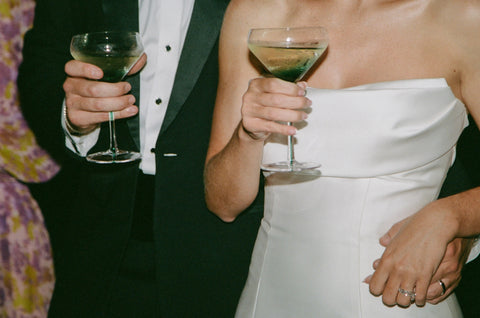


Cocktail attire for men when the venue is outdoors in July
Dressing for an outdoor July cocktail event means mastering the art of looking sharp while staying cool, and this guide shows you exactly how to do it without compromising formality. You'll learn why swapping heavy wools for breathable linens, tropical wools, and seersuckers--and choosing half-lined, unstructured jackets--keeps you polished while preventing heat exhaustion. The article breaks down venue-specific strategies: lighter colors and relaxed silhouettes for garden parties, smarter tailoring for rooftop events, and how to adjust your palette from day to night. It dives into the science of fabric weaves, collar fits, and layer construction, explaining why an open-weave cotton shirt beats a non-iron version and how a silk-linen tie or lightweight bow tie can replace bulkier options. Footwear, belts, and accessories are reimagined for grass and uneven surfaces, while grooming tips cover humidity-proof hair products, SPF skincare routines, and fragrance choices that won't irritate sun-exposed skin. By the end, you'll know how to build a three-piece layering system that adapts when temperatures drop, avoid common pitfalls like mid-grey sweat stains or overexposed chests, and walk into any summer cocktail event looking intentional, composed, and comfortably cool.
Understanding the Outdoor July Cocktail Dress Code
Outdoor July cocktail attire keeps every stitch of formality--tailored jacket, crisp shirt, polished shoes--yet swaps stifling wool for airy linen, swaps sinking leather soles for grass-ready Oxfords, and lets sunset steer your palette from daytime sky blues to after-dark navy.
Defining cocktail attire for men in warm weather
Cocktail attire for men sits between black-tie and semi-formal--more polished than a casual summer party, less rigid than a formal event. [1] In practice, you'll need a lightweight jacket, a proper shirt, clean-cut trousers, and shoes worth polishing. What changes in July is how you approach the materials.
Heavy wool flannel and full linings won't work; instead, choose linen, cotton, and fine-weave fabrics that let your skin breathe. [2] The dress code still demands thoughtful choices--you're not showing up in trainers or a polo--but it rewards smart fabric selection that delivers both comfort and polish. Think of it as translating formal requirements into heat-friendly solutions, not compromising between the two. [2]
Key differences between indoor and outdoor expectations
Moving a cocktail event outdoors doesn't lower the dress code--it simply redirects your approach. The core requirements remain intact: you'll still need a tailored suit or blazer, dress shirt, and polished shoes. What shifts is how you interpret the traditional indoor defaults.
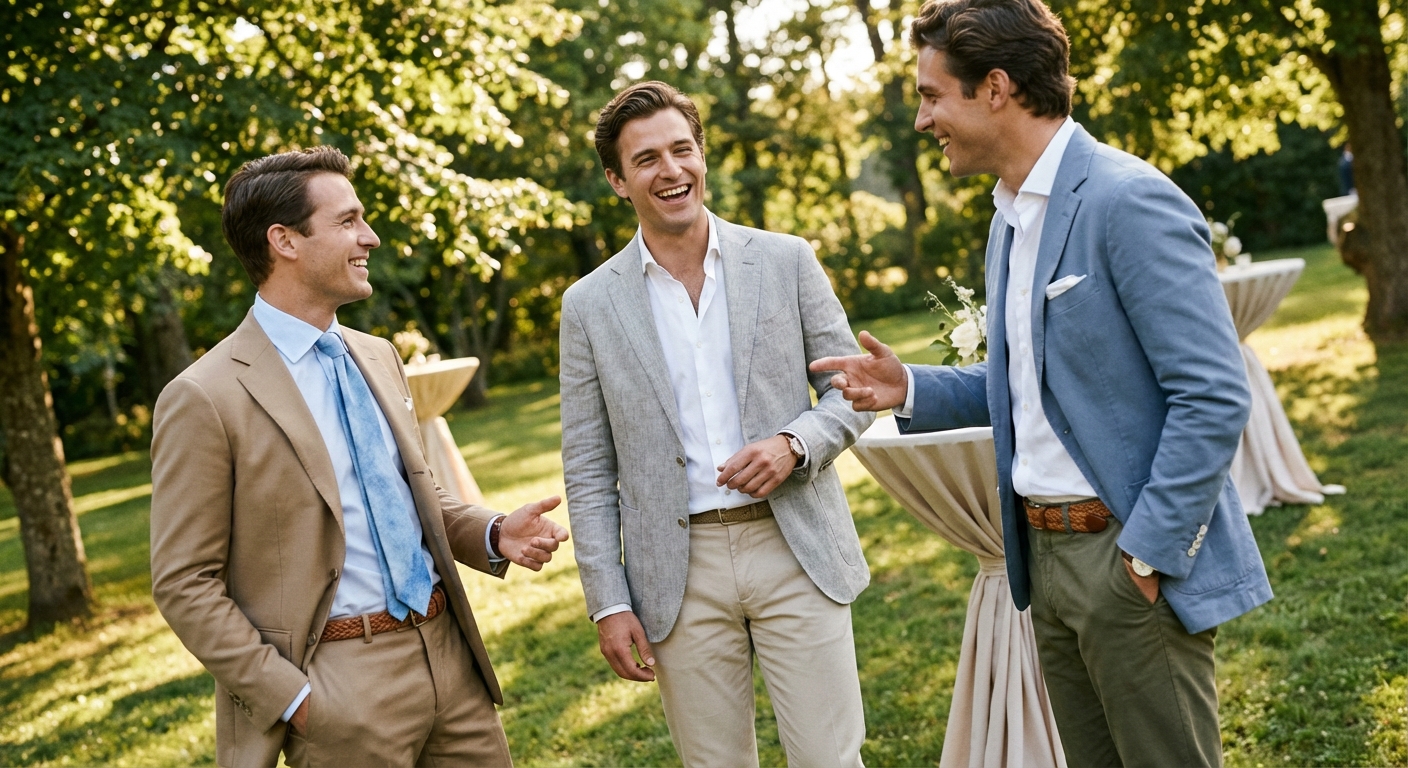
Indoor cocktail events typically favor dark, heavier suiting in navy or charcoal--choices that work because climate-controlled rooms allow them. Outside in July, those same fabrics become your enemy. Consider your specific venue when planning your outfit: a rooftop event still demands sharp tailoring and structured accessories, while a garden or estate lawn setting allows for lighter colors and slightly relaxed silhouettes without sacrificing sophistication. [4] Timing makes a difference too--daytime outdoor events give you permission to wear medium blues, soft greens, and refined browns that would feel underdressed after sunset, when darker tones provide a safer foundation. [3] For footwear, the outdoor setting requires practical adjustments: choose a clean Oxford or low-profile derby that can handle grass and uneven surfaces over anything with a delicate leather sole that might sink or scuff.
You're maintaining the same level of formality--just adapting the execution to work with your environment.
Balancing formality with summer comfort
The challenge of looking polished while staying comfortable comes down to smart fabric and construction choices.
An unlined linen blazer or a cotton jacket with soft shoulders delivers the structure your outfit needs without the heat trap--maintaining formal appearance while keeping you functional throughout the event. [2] For those seeking the perfect balance, consider our
Choosing the Perfect Suit and Fabrics
Beat the July heat in style by pairing a half-lined jacket in light gray linen, tropical wool, cotton, or seersucker--fabrics whose breathability and wrinkle-defying polish keep you cool from outdoor ceremony to reception.
Lightweight suiting options for July heat
Four fabrics consistently outperform the rest for outdoor July events: linen, tropical wool, cotton, and seersucker. Linen leads the pack for breathability. Its open weave works like natural air conditioning--body heat escapes while fresh air flows in, keeping you comfortable even after hours outdoors. [5] Yes, linen wrinkles, but here's what most guides won't tell you: quality linen develops a refined, relaxed character throughout the day rather than looking unkempt. [6] Tropical wool offers the best of both worlds.
Don't let the word "wool" scare you--this specialized weave breathes like summer fabrics while maintaining the sharp, wrinkle-resistant structure you need when transitioning from ceremony to reception. [7] Our lightweight wool suits deliver exactly this balance, keeping you polished through every moment of an outdoor event. Cotton delivers reliable comfort with a clean, professional appearance that works from morning through evening. [5] Seersucker takes cooling a step further--its signature puckered texture creates built-in ventilation by lifting the fabric away from your skin. [6] Here's an insider tip: the jacket's construction matters as much as the fabric. Look for half-lined jackets where the back panel remains unlined.
This single detail can drop the perceived temperature by several degrees since you're removing an entire layer of material from your back. [7]
Color palettes that complement outdoor settings
Your color choice directly impacts both comfort and style at outdoor events.
Light colors reflect heat while dark fabrics absorb it--a practical consideration that shapes your entire look. [8] For outdoor venues, start with these winning colors: light gray, beige, tan, or soft blue.
Light gray works everywhere--it's sophisticated enough for evening events yet fresh for daytime celebrations, and it pairs effortlessly with any shirt or accessory choice. [8] Beige and tan complement garden and estate settings naturally, creating a cohesive look that feels intentional rather than accidental. [8] Light blue brings a contemporary edge--it's distinctive without being loud and photographs beautifully in natural light. [9] For the adventurous, mint green or olive can work brilliantly at garden venues, but keep accessories minimal to maintain sophistication. [8] Skip these colors entirely for daytime outdoor events: black (too hot and formal), navy and dark green (still heat-absorbing), and burgundy or purple (they scream fall/winter). [8] Save darker shades for evening events when temperatures drop and formality increases.
Tailoring tips for a polished yet breathable fit
Fabric choice gets most of the attention, but construction determines how much of that breathability actually reaches you. Start with the shoulders. Natural or soft-shoulder construction eliminates heavy padding, removing bulk exactly where your body generates the most heat.
This creates a more relaxed drape that moves with you rather than sitting stiffly on top. [10] Don't overlook vents either--single or double vents in the jacket back create escape routes for trapped heat every time you move. [11] For trousers, choose flat-front styles over pleats. While pleats offer more room, they add extra fabric layers precisely where heat builds up around your waist and thighs. [10] The fit sweet spot: slim enough to look sharp, relaxed enough to let air circulate. If your jacket pulls when buttoned or your trousers cling to your legs, you're sacrificing both comfort and style. [11] One final construction detail that makes a real difference: half-canvas or unstructured jackets beat fused construction every time.
Fused jackets use glue to bond layers together, creating a stiff, heat-trapping shell. Canvas construction uses floating layers that move independently, allowing better airflow and natural movement throughout your event. [10]
Shirt, Tie, and Accessory Essentials
Choose an open-weave cotton or linen shirt with a slightly loose fit and an open collar--never a non-iron one--to let air and sweat escape and keep you cool through a July outdoor event.
Selecting breathable shirts and appropriate collars
The shirt matters more than any other layer for comfort in July heat because it's in direct contact with your skin all evening. For fabric, cotton outperforms most alternatives--but weave determines how much of that potential actually reaches you. An open-weave cotton shirt lets air pass freely to the skin and allows sweat to evaporate; a tightly woven one traps heat regardless of the fiber.
Longer-staple cottons like Egyptian or Pima are worth seeking out specifically because their fiber length allows for more open weaves without sacrificing durability. [12] Linen shirts work on the same principle--the natural open structure wicks moisture and encourages airflow, making them a sound alternative to cotton for outdoor summer events. [12] One practical thing to cut entirely: non-iron shirts. The chemical coating that prevents wrinkles also seals the fabric, eliminating the breathability that makes cotton worth wearing in the first place. [12] A shirt that needs ironing will outperform a chemically treated one in July heat every time.Collar fit has a direct effect on how heat moves through the shirt. A collar that sits snugly against the neck creates a seal that traps warm air inside--noticeable within the first hour of standing outdoors in summer sun. [12] An open collar breaks that seal and lets heat escape from the neck, which is one of the body's primary release points for excess warmth. [12] If you're wearing a tie, a spread or point collar gives more room and sits more comfortably open than a button-down, which pulls the collar flat against the neck and limits airflow.
Beyond collar style, fit across the body matters too: a shirt that drapes slightly away from the torso--not oversized, but not fitted tightly--creates a thin air gap between the fabric and your skin that improves comfort meaningfully over a long outdoor evening, since clothing that presses against the body soaks up sweat and holds it there rather than allowing it to evaporate. [13]
Tie choices and alternatives for outdoor elegance
For an outdoor July cocktail event, the tie decision starts with fabric.
Silk or cotton ties are the right call for warm months--they sit lighter against the shirt and don't add the bulk of heavier weaves. [14] A silk-linen blend goes a step further: the matte texture reads as intentional rather than underdressed, and works naturally with the lighter suits appropriate for summer. [15] On color and pattern, daytime outdoor settings open up options that evening events typically don't--lighter shades like watercolor blue, sage, or soft yellow work against white or light blue shirts without competing with an outdoor backdrop, while subtle patterns like tone-on-tone or small-scale designs add visual interest without pulling focus. [15] Save the darker, richer tones for evening events or post-sunset receptions where they anchor the outfit more effectively. [14]If a full necktie feels like too much heat around the collar, a lightweight cotton or linen bow tie is a sound alternative--it carries the same formality signal with less fabric against the neck, which is a practical difference over a long outdoor evening. [15] Going tieless entirely is also a legitimate choice for outdoor cocktail settings, particularly at garden or estate events, provided the rest of the outfit compensates: a well-fitted jacket, a properly pressed shirt with an open collar, and clean accessories do the work that neckwear would otherwise handle. [14] What doesn't work is treating the missing tie as an oversight--a tieless look needs to read as a decision, not a default, so the shirt collar, pocket square, and overall fit need to be sharper when there's no tie anchoring the outfit. [14]
Shoes, belts, and subtle accessories that complete the look
For shoes, the clearest options at an outdoor cocktail event are Oxfords, low-profile derbies, and loafers--tasseled, penny, or suede styles all read as appropriately polished while staying comfortable across uneven outdoor surfaces. [16] Whatever style you choose, condition matters more than the choice itself: scuffed or dull shoes undercut even a well-assembled outfit, so a clean polish or brushed finish before the event is non-negotiable. [16] For the belt, a woven leather or braided fabric style suits July outdoor events better than a standard smooth leather belt--the open construction is lighter, sits more casually with summer fabrics like linen and seersucker, and allows more flexibility with color than the usual match-your-shoes rule requires. [17] A woven belt in tan, dark brown, or a subtle two-tone can coordinate with suede loafers or brown Oxfords without being an exact match, which is exactly where summer dressing has more room to move than other seasons. [18] On accessories, the effective limit is two or three pieces: a leather-strap watch keeps the wrist reading as finished without adding bulk, a linen pocket square in white or a light pastel anchors the chest when you're tieless, and--if the event runs into evening--a silk boutonniere or subtle lapel detail adds the kind of personality that reads as intentional rather than overdressed. [16] [17] Keep metal hardware consistent across belt buckle and watch case--mixing silver and gold across multiple pieces fragments the eye, while matching them creates cohesion without any extra effort. [17]
Practical Styling and Grooming Tips
Build a three-piece July-night outfit--wicking shirt, paper-thin merino, unlined blazer--that you can peel off or slip on in seconds without ever looking bulky.
Layering strategies for evening temperature shifts
July evenings outdoors don't stay warm. Once the sun drops, temperatures can shift noticeably within an hour--making the ability to add or remove a layer cleanly the most practical thing you can plan for. The key principle is easy on, easy off: every piece you bring should be removable without disrupting the outfit.
An unlined linen blazer or lightweight cotton jacket works well here because you can drape it over your shoulders or carry it over one arm without it looking like an afterthought. [19] The jacket you've already chosen for the event doubles as this layer, which means you're not adding anything new--you're managing what you already have. [19]If the temperature drop is likely to be significant, a lightweight merino or cotton-linen knit worn under the jacket gives you genuine warmth without bulk. Merino in particular is thin enough to sit cleanly under a blazer without distorting the shoulder line or adding visible weight at the chest--which is exactly where heavier knitwear fails under tailoring. [20] The base layer matters too: a wicking cotton or linen shirt pulls sweat away from the skin and lets it evaporate, so even as temperatures change, you're not transitioning from damp to cold. [19] Wicking fabrics work only when they're the layer closest to your skin, so the shirt--not the jacket--is where this performance fabric logic applies. [19]What doesn't work is treating the jacket as the only variable and ignoring what's underneath it. If your shirt is already trapping heat and moisture, removing the jacket just exposes that problem rather than solving it.
Build the layering from the inside out: a breathable, wicking shirt as the base, an optional lightweight knit mid-layer that can be removed and folded without creasing, and a clean unlined jacket as the outer layer you put on once the sun goes down. [20] Three pieces, all removable, none of them adding visible bulk when worn together.
Hair, skincare, and fragrance considerations for summer events
Product choice for your hair at an outdoor July event comes down to one practical question: will it hold in humidity without making your scalp hotter?
Shiny and greasy products--heavy waxes, traditional pomades--attract heat to the scalp and break down once sweat enters the equation. [21] Matte pastes and pomades handle summer conditions more reliably: they maintain shape memory through heat and humidity without the greasy surface that reads as overdone under direct sun. [21] Sea salt spray is worth using for shorter and medium-length hair--it builds texture and enough rigidity to keep a style in place through an active outdoor evening without any visible product weight. [21] For anyone whose scalp tends to sweat, a texturizing or dry shampoo powder does double duty: massaged into the roots, it absorbs moisture and restores volume mid-event without needing water, making a quick reset between courses or after sunset genuinely fast. [21]The key skincare shift for July outdoor events is moving from heavier products to lightweight formulations.
Heavy creams trap sweat and sebum against the skin in the heat, contributing to both breakouts and a surface shine that powder won't fully correct. [22] The practical replacement is an oil-free, non-comedogenic moisturizer--gel-based formulas absorb quickly and leave no residue--paired with a broad-spectrum SPF 30 or higher applied before leaving the house. [23] Many gel moisturizers now combine both functions, which matters because layering multiple products in heat and humidity raises the risk of pore blockage. [23] If the event runs longer than two hours outdoors, reapply SPF; UV exposure accumulates even under partial shade or cloud cover. [22]Fragrance warrants one specific adjustment for sun-exposed outdoor events: heavily scented creams and aftershaves applied directly to skin that will be in the sun can cause irritation. [22] The products sitting closest to your skin throughout the event--moisturizers, post-shave treatments--are better chosen fragrance-free or with naturally derived scent, leaving your chosen cologne as the sole scent layer rather than competing with fragranced skincare underneath it. [22]
Avoiding common pitfalls and ensuring confidence
Most outdoor July cocktail mistakes aren't dramatic--they're small decisions that compound. Mid-grey shirts and jackets are the clearest trap: the color reads as neutral until heat enters the equation, at which point sweat darkens the fabric visibly and immediately, creating a problem no amount of fabric quality can solve. [24] Shiny or high-sheen materials cause a similar issue in a different direction--silky synthetics amplify sweat patches and reflect direct sunlight in ways that read as disheveled rather than dressed up, which is why matte-finish fabrics like slubbed cotton and washed linen consistently outperform them outdoors. [24] Chest exposure is the third pattern worth naming directly: one or two buttons undone creates an open collar and allows heat to escape from the neck, but anything beyond the upper chest crosses into territory that undermines the formality the rest of the outfit is working to establish. [24] On accessories, the temptation to layer increases with a more casual outdoor setting--but heat makes metal uncomfortable within the first hour, and stacking pieces forces you to adjust them constantly, which reads as restless rather than composed.
One or two pieces chosen deliberately will always outperform a heavier accessory load. [24] Confidence at an outdoor cocktail event comes from the same place it does anywhere else: wearing something that fits, looks intentional, and doesn't require constant adjustment. An outfit you're fidgeting with, overheating in, or second-guessing communicates itself before you say a word--so the practical test is whether every element was chosen deliberately or just assembled.
When you've selected pieces that work together and fit properly (whether
- Choose linen, tropical wool, cotton, or seersucker for breathable July cocktail attire.
- Light colors like beige, tan, or soft blue reflect heat and suit outdoor venues.
- Wear open-weave cotton or linen shirts; skip non-iron coatings to stay cool.
- Pick clean Oxfords, derbies, or loafers with low-profile soles for grass and uneven ground.
- Carry an unlined jacket to layer when temperatures drop after sunset.
- Use matte hair products and oil-free skincare to handle humidity and sun exposure.
- Avoid mid-grey or shiny fabrics that visibly show sweat under outdoor heat.
- https://sirri.co.uk/blogs/fashion/summer-cocktail-attire-mens-guide?srsltid=AfmBOoqEhJGe7kOZqhB9CQLhX87G4G_8T65ZaG7gzYGsmpIFwfO9Q8N_
- https://fieldingandnicholson.com/summer-cocktail-attire-men-fielding-nicholson-guide/
- https://www.gentlemansgazette.com/cocktail-attire-for-men/
- https://thevenueatwhiteoaksfarm.com/cocktail-attire-wedding-guide/
- https://us.mossbros.com/inside-pocket/post/a-guide-to-summer-suit-fabrics
- https://www.michaelandrews.com/best-summer-suit-fabrics-for-men/?srsltid=AfmBOoqzwoiPXVujaOMNV8WoeE-bZCHMpVP57F1XKnQTBvbfjaJVnbVf
- https://bespokeedge.com/what-is-best-suit-fabric-for-hot-weather
- https://thedarkknot.com/blogs/suitupdressup/men-s-summer-wedding-suit-color-guide?srsltid=AfmBOoqQoTW4yTPBXnStSUwFvJmyjs_g7RqCLW2ct6T5Aww_K-YUMFeC
- https://www.reddit.com/r/Weddingattireapproval/comments/1jvfyy7/what_is_cocktail_attire_at_a_wedding_for_a_guy/
- https://www.andrew-brookes.com/blog/mens-summer-suits-a-guide-to-the-best-fabrics-and-materials-to-stay-fresh-and-cool/
- https://observer.com/list/best-summer-suits-for-men/
- https://www.gentlemansgazette.com/summer-hot-weather-outfits/
- https://www.rei.com/learn/expert-advice/how-to-dress-for-humidity.html
- https://www.otaa.com/blogs/gentlemans-guide/are-ties-required-for-cocktail-attire
- https://www.tiemart.com/blogs/tiepedia/the-ultimate-summer-tie-capsule?srsltid=AfmBOoqsPIWpbHDb87TQRfqWglLji2-zMltCZIUBTks_FpW9ILOGiQpH
- https://www.copenhagenfashionsummit.com/mens-cocktail-attire-guide-what-to-wear-style-tips/
- https://www.gentlemansgazette.com/best-summer-accessories-for-men/
- https://www.familybritches.com/7-summer-accessories-men-keep-stylish-layering/?srsltid=AfmBOopClXUNnNZxw1yoFaXzzAThM__qB4LJJRvXWSGRQ66pfDb2uvNe
- https://www.orvis.com/how-to-layer-in-summer.html?srsltid=AfmBOoqOWF5CgftWZOTt2Y_v2P2qpDKHFRhpf-zZoU20VNUoJ1bS9j35
- https://www.gentlemansgazette.com/layering-transitional-seasons/
- https://www.insidehook.com/grooming/mens-summer-hair-styling-grooming-guide
- https://www.chapsandco.com/us/blog/mens-skincare-guide-what-to-use-and-what-to-ditch-in-hot-weather/
- https://cardonskin.com/blogs/mens-skincare-tips/the-hot-weather-skincare-guide?srsltid=AfmBOord0-QpSw-XGN7mXqTbtauto-LD6H7USn9ykvmqD55Gb_xOgBb3
- https://www.apetogentleman.com/mens-summer-style-mistakes/
- https://sirri.co.uk/blogs/fashion/summer-cocktail-attire-mens-guide?srsltid=AfmBOoqP867vlnjO6JCBBdPSUzdnfVxSdrM8_Gi1raGtJcVQCEjp43ji


