

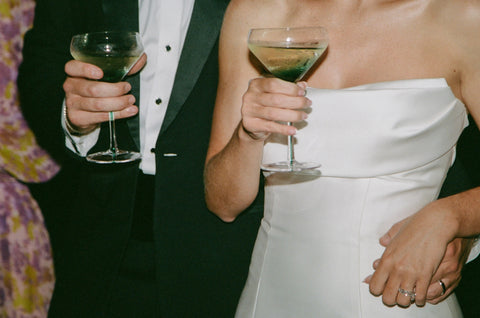


Decoding cocktail attire when the invite is maddeningly vague
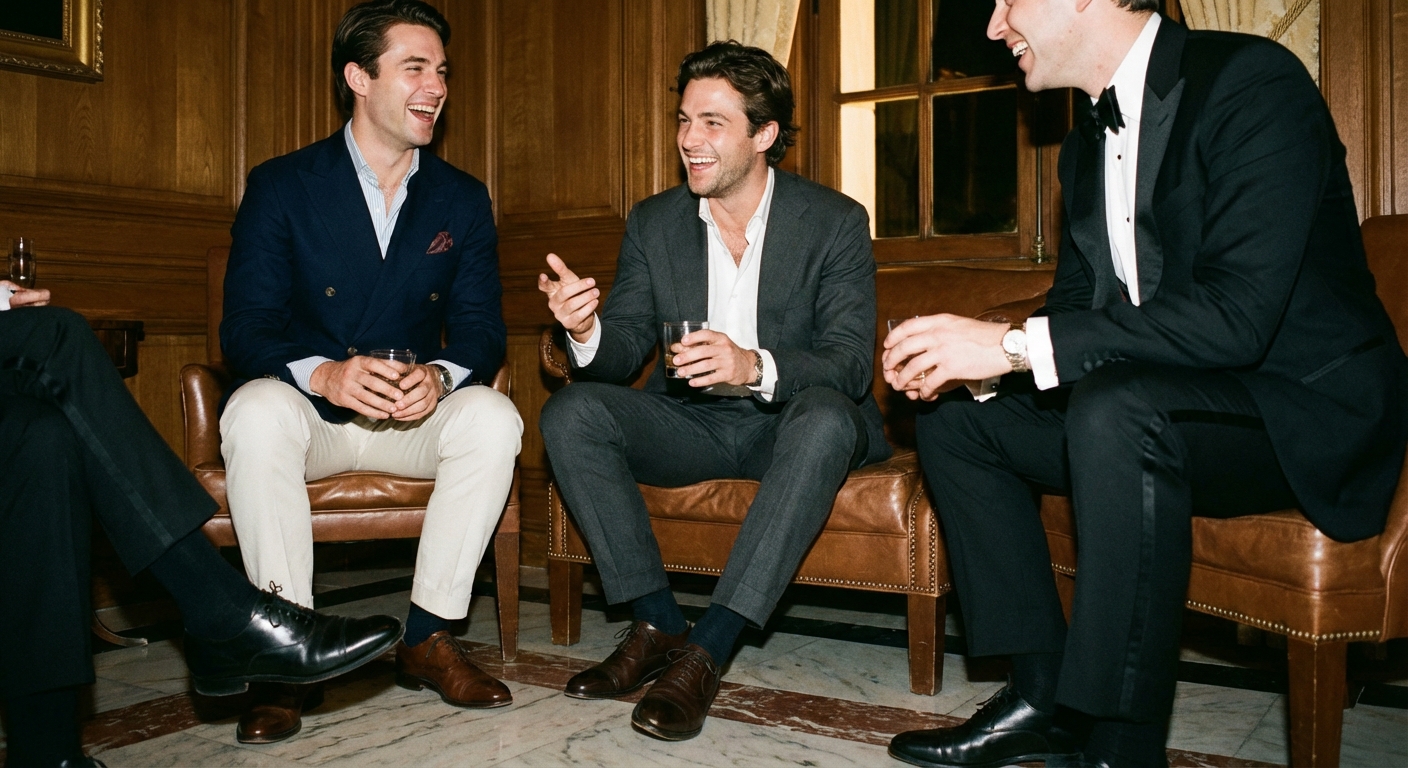
This guide demystifies the slippery "cocktail attire" dress code by showing men how to hit the sweet spot between office wear and black tie, proving that a well-tailored dark suit, subtle accessories, and venue-appropriate fabrics matter far more than expensive labels. Readers learn to read an invitation's context--venue, season, time of day, host style--to calibrate color, fabric weight, and contrast so they look intentionally polished, never costumed or careless. Step-by-step rules cover fit, shirt patterns, tie-optional looks, pocket-square pairings, shoe choices, and the small but critical details of leather/metal coordination, socks, and grooming that separate sharp from sloppy. The article also delivers last-minute hacks--like keeping two versatile suits in rotation and choosing loafers for maximum flexibility--while explaining why buying beats renting for anyone who faces two or more events a year. Mastering these lessons boosts confidence, saves money, and ensures the first impression you make is of someone who belongs in the room.
Understanding the Vague: What "cocktail attire" Really Means
Cocktail attire is the sartorial tightrope of looking sharper than office wear yet stopping short of black-tie, where a well-tailored dark suit minus the tux and plus restrained accessories signals you read the room perfectly.
Key elements of modern cocktail attire
Your cocktail attire foundation starts with a dark suit -- think
Common misconceptions clarified
Here's what trips most people up: thinking cocktail attire means black tie. It doesn't. A dinner suit belongs at black-tie events -- wearing one to a cocktail party overshoots the mark just as badly as showing up underdressed. [3] Cocktail attire lives in that sweet spot between office wear and formal evening dress. [3] Miss that balance in either direction, and you'll signal that you misread the invitation. You might also think ties are mandatory -- they're not. While they certainly elevate your look, the dress code allows some flexibility. [3] What you can't skip: looking clearly more polished than smart casual.
That T-shirt under your blazer? It's pushing it. A T-shirt alone? That's a definite no, regardless of blazer quality. [3] Even footwear has more wiggle room than you'd expect -- clean, solid-color sneakers can work at relaxed gatherings, though athletic or heavily branded styles still miss the mark. [3] The fit misconception catches even experienced dressers. Any suit won't automatically satisfy the dress code -- an oversized jacket or baggy trousers sabotage your look regardless of the price tag. [3] Proper tailoring communicates effort more effectively than any label ever could.
Another common mistake? Over-accessorizing. You don't need to pile on details to look dressed up. A pocket square, watch, and polished shoes create plenty of visual interest -- add lapel pins, tie bars, and statement jewelry on top, and you've crossed from polished into costume territory. [3]
Why the dress code matters for confidence
Getting the dress code right isn't just about following rules -- it shapes your entire evening. When you choose clothing that fits both your body and the occasion, you boost your confidence and actually perform better in social situations. [4] Think of it as a two-way street: you're sending signals to everyone around you while reinforcing your own self-assurance. Here's what happens when you nail the cocktail dress code: people perceive you as more successful and confident, especially in well-tailored pieces that suit the setting. [5] That external validation creates a positive feedback loop -- you stand taller, engage more freely, and move through the room with genuine ease.
The flip side? Poor-fitting clothes or the wrong level of formality creates mental static. You'll find yourself adjusting that tight collar or second-guessing your outfit choice instead of focusing on conversations. [6] That distraction shows -- and it undermines your confidence right when you need it most.
Getting cocktail attire right means walking in ready to connect, not spending your evening managing wardrobe anxiety.
Building the Perfect Cocktail Look for Men
Dial in the fit, mute the contrast, and let a pocket square--not a gaping collar--prove your cocktail look was intentional.
Choosing the right jacket and trousers
Building on the foundation covered earlier, the real distinction in cocktail attire lies in how you execute the details.
While matching suits remain the standard for evening events, the nuance comes in understanding contrast levels. [1] High-contrast combinations -- think navy blazer with light chinos -- signal casual Friday rather than cocktail hour, no matter the quality of each piece. [1] For daytime events where separates might work, the key is keeping tonal harmony: a navy suit jacket paired with mid-gray trousers maintains the elevated look, while beige creates too much visual separation. [1] As mentioned in the previous section, black suits occupy an awkward middle ground -- reading either too somber or like a tuxedo understudy. [1] Fit is what separates a suit that works from one that technically checks the boxes: the shoulders should sit flush, the chest should close without pulling, and the trouser break should be minimal -- anything pooling at the ankle undermines the silhouette no matter how appropriate the cloth or color. [7] Tailoring communicates effort in a way that price and brand never quite can, which makes a well-fitted mid-range suit a stronger choice than an expensive one worn off the rack without adjustment. [7]
Shirt, tie, and pocket square basics
While we established white and light blue as the shirt standards earlier, the real artistry comes through subtle pattern play. Micro-checks, faint pinstripes, or textured weaves create depth without competing with your neckwear -- but only when the fundamentals are right. A collar that gaps or cuffs that disappear into your jacket sleeves will undermine even the finest fabric choice.
Going tieless shifts the weight of the look entirely onto the pocket square -- without a tie, the square becomes the only signal that the open collar was intentional rather than an oversight, making it more critical, not optional. [8]The tie and pocket square relationship has one non-negotiable rule: never wear them as a matched set. Pre-matched pairs are designed for convenience and consistently produce a flat, coordinated-but-not-styled result. [9] Instead, three approaches actually work. The first is tonal alignment -- choose a pocket square whose dominant color is similar to the tie's.
The second is color borrowing -- find a secondary color within the tie's pattern and echo it in the square, creating a connection without duplication. The third is contrast -- use near-opposite colors on both, which works best when the suit itself is a clean, unbroken solid. [9] Fabric consistency follows the same logic: silk ties and pocket squares read naturally against worsted wool suits because their surface sheen is compatible; flannel or tweed suits land better with wool accessories, where silk can look incongruous. [9]
Footwear and accessories that elevate the outfit
Beyond the oxford and brogue basics covered earlier, your shoe choice telegraphs effort in ways most overlook. While those classics anchor evening events, the modern cocktail landscape accepts sleek loafers, monk straps, and even refined lace-up boots -- provided they're immaculately maintained. [10] Season shifts the calculus -- winter calls for structured options like Derbies or monkstraps, while a summer garden party opens the door to penny loafers or tassel styles without losing the dressed-up read. [10] The one consistent rule is condition: even an expensive shoe in the right style undercuts the outfit if it's visibly worn. [11]The leather coordination mentioned in our overview deserves deeper attention here.
Your belt, watch strap, and shoes should share the same tonal family -- but the metal finishes matter equally. A gold belt buckle clashing with silver cufflinks creates visual discord that reads as careless rather than creative. [10] When adding personality through jewelry, restraint is key: a simple chain, understated signet ring, or refined timepiece each contribute without overwhelming. [10] What to avoid is stacking -- pocket square, tie bar, lapel pin, and statement ring simultaneously is too many competing details for one look.
Pick two or three pieces and let them breathe. [11] One often-skipped detail: socks. Sports socks and ankle socks actively break the formality of an otherwise clean outfit, even when hidden. [10]
Adapting to Context: Venue, Season, and Theme
Let the venue's light, temperature, and indoor-outdoor setting dictate your fabric weight and color palette--linen pastels for sunlit gardens, rich velvet for winter ballrooms--so your cocktail look feels inevitable, not accidental.
How venue influences fabric and color choices
When decoding a vague cocktail invitation, start with the venue -- it's your most reliable guide to getting the look right. For hotel ballrooms, upscale restaurants, or formal indoor settings, you'll want heavier, more structured fabrics like wool suits, velvet, or satin in darker colors -- think navy, charcoal, and jewel tones that command attention under artificial lighting. [11] Outdoor venues completely flip the script.
A garden party or beach event makes heavyweight wool impractical and visually mismatched. Instead, reach for linen blends or lightweight fabrics in colors that work with natural light -- pastels and softer tones that might wash out indoors look perfectly intentional outside, while evening metallics can appear harsh in afternoon sun. [12] City rooftops split the difference: they're formal enough to warrant sharp tailoring and mid-weight fabrics, yet open-air enough that overdressing in heavy materials creates visual discord. [11] Here's your guiding principle: let the physical space -- its light source, temperature, and indoor versus outdoor setting -- determine your fabric weight and color palette before you even consider formality levels.
Seasonal adjustments for comfort and style
Your fabric choice makes or breaks seasonal cocktail dressing. For summer events, prioritize breathable materials -- linen, cotton, or tropical wool -- that maintain structure without the heat trap of traditional suiting.
Pair these with lighter colors like light grey, beige, or sky blue to signal seasonal awareness rather than underdressing. [13] Footwear loosens up too: sockless loafers work perfectly here, offering a relaxed alternative to heavier Oxfords without breaking dress code rules. [14] Winter cocktail attire embraces weight and richness. Velvet, tweed, and heavy wool aren't just practical for warmth -- they provide the visual substance that darker venues and evening events demand. [15] Your color palette should deepen accordingly: deep navy, burgundy, and forest green absorb light in a way that complements dim interiors, while the lighter tones perfect for summer would appear washed out. [13] Winter also unlocks sophisticated layering options -- try a fine-knit turtleneck or waistcoat under your jacket for both warmth and visual interest without straying from cocktail territory. [15] Spring and fall challenge most men's wardrobes, which is why
Reading the theme without over‑ or under‑dressing
A vague "cocktail attire" invitation requires detective work. Start with the host and event type -- they're your best calibration tools. Corporate cocktail hours, especially in finance or law, demand the formal end of the spectrum: dark suit, tie, polished oxfords.
Meanwhile, a birthday celebration at a rooftop bar gives you room to let personality lead while staying within dress code boundaries. [16] The event format itself sends clear signals. Summer wedding receptions practically beg for experimentation with lighter fabrics or bolder colors, while charity galas at hotel ballrooms reward classic restraint. [16] Timing matters too: daytime events before 5 PM welcome lighter tones and even thoughtful separates, but once darkness falls, you'll want darker colors and a matching suit to meet expectations. [17] Here's your failsafe rule when you're genuinely stumped: err slightly formal rather than casual. An outfit that's marginally overdressed reads as thoughtful and prepared.
Going too casual, however, suggests you either misread the invitation or didn't care enough to try -- neither impression helps you navigate the event confidently. [18] When in doubt, that classic dark suit you've been considering becomes your best ally.
Practical Tips and Last‑Minute Solutions
Before any cocktail event, run the three-question last-minute audit--does it fit, is it pristine, do the shoes and belt match--because two well-kept charcoal suits you own will already outperform a closetful of rentals by your second wear.
Quick wardrobe audit and essential pieces
Your last-minute audit needs just three questions: does it fit, is it in good condition, and will it work for this specific event? As we covered in Building the Perfect Cocktail Look, a charcoal suit remains your most versatile foundation piece -- formal enough for serious contexts while flexible enough to dress down when needed. [19] The most overlooked essentials that derail otherwise solid outfits: a crisp white dress shirt and a leather belt that coordinates with your shoes (as discussed in our footwear section). [20] These basics are easy to forget until you're already dressed, and nearly impossible to substitute at the last minute.
The typical wardrobe failure isn't missing the suit itself -- it's discovering scuffed shoes that won't polish up, a shirt with a collar that gaps, or realizing your brown belt clashes with black oxfords. [21] Condition matters as much as having the right pieces. When filling gaps in your wardrobe, prioritize versatility over formality.
Loafers earn their place as the highest-return footwear investment -- they bridge the gap between dress shoes and casual styles, covering everything from daytime cocktail events to relaxed evening gatherings. [19] Beyond footwear, a quality watch serves double duty as both a finishing detail and a signal of intentionality that elevates your entire look. [19] Remember: coverage beats volume every time. Two complete, well-maintained suits in rotation will serve you better than five blazers with no matching trousers. [20]
Renting vs. buying: cost‑effective options
Your decision hinges on event frequency, not upfront cost.
Here's what the math reveals: a typical rental often matches the full purchase price of a comparable mid-range suit -- meaning you'll pay double by your second event. [22] Each wear of a purchased suit drives down your cost-per-wear, making ownership the smarter financial choice for anyone attending two or more cocktail events annually. [22] Beyond the numbers, fit presents another consideration.
Traditional rental suits use generic sizing that rarely nails the tailoring you need for a polished look, and hidden return fees can inflate your final cost beyond expectations. [24] That said, renting makes perfect sense for that single black-tie wedding when you know formal events aren't in your regular rotation. [23] Modern rental services like
Confidence hacks and etiquette for a seamless night
Your final preparation happens in the last hour before leaving. Keep grooming natural -- trim facial hair for a neat appearance without creating overly precise lines that look forced. [25] Go easy on hair product; heavy styling increases perspiration under warm event lighting, undoing the polished look you've carefully assembled. [25] Once you arrive, remember that cocktail events thrive on genuine connection.
The most successful guests approach each conversation as its own moment rather than scanning the room for the next interaction. [26] This presence pays dividends -- you'll build better relationships and enjoy the event more when you're fully engaged. A common etiquette stumble: bringing a host gift and expecting immediate acknowledgment.
Hand it over graciously without expecting it to be opened -- your host's focus belongs on their guests, not on unwrapping presents during the event. [26] The sole exception applies to wine at specifically themed tastings, where you've confirmed ahead that bringing a bottle to share is welcome. [26] These final touches -- from grooming to genuine engagement -- transform good preparation into effortless execution once you walk through the door.
- Cocktail attire = dark suit, not tux; skip tie if you want, never wear a T-shirt.
- Fit beats price: shoulders flush, chest closes, minimal trouser break signals effort.
- Match leather tones and metals; limit accessories to 2-3 pieces to avoid costume look.
- Let venue & season pick fabric weight: linen outside, wool inside; daytime = lighter colors.
- When in doubt, dress slightly up: a sharp charcoal suit covers almost any cocktail event.
- https://www.gentlemansgazette.com/cocktail-attire-for-men/
- https://www.vogue.com/article/cocktail-attire-for-men-fashion-guide
- https://www.stylight.com/Magazine/Fashion/What-To-Wear-Cocktail-Attire/
- https://www.psychologytoday.com/us/blog/why-bad-looks-good/202501/how-what-you-wear-can-determine-how-you-feel
- https://pmc.ncbi.nlm.nih.gov/articles/PMC10559650/
- https://kleinepsteinparker.com/blogs/seasonal-style-guide/the-psychology-of-dressing?srsltid=AfmBOoqG5D8gURuoSSuZN2oSpIajUxnSaOBVEmNJ6mB6jvm4vx2yLBFT
- https://www.mysuittailor.com/blogs/grooming-blog/cocktail-attire-for-men-a-complete-style-guide-for-modern-gentlemen?srsltid=AfmBOor9sjzwSNXtjM_qeWVxBP4YP05XrhDMcwgXRuAJFpjq-3fFg6Nb
- https://thedarkknot.com/blogs/suitupdressup/mastering-men-s-cocktail-attire-a-complete-guide-to-cocktail-attire-for-men?srsltid=AfmBOopH2ihd8qP2Cqg53Z9q_3LL5vdw_l24JIWRgrrT-Pt0DYmtORxp
- https://thenobledandy.com/blog/mens-style-advice/match-tie-pocket-square/?srsltid=AfmBOopGx8IcwJsS825jFx2kLrYcv1Vb84H2izWzwd8QmwYMrAj1pV0b
- https://www.studiosuits.com/blogs/articles/cocktail-attire-for-men?srsltid=AfmBOoryJdY15_eZeHIu9YI-acZWxNEjMBqUnXHYkx_vE3hiIe9DQDQx
- https://thevenueatwhiteoaksfarm.com/cocktail-attire-wedding-guide/
- https://www.azazie.com/blog/how-do-i-choose-the-right-formal-dress-for-a-cocktail-party/?srsltid=AfmBOortbjmJXpRt3we9AaydshRfLFU7VA9K9quRT35A5brjgDI2TAEk
- https://blacklapel.com/blogs/the-compass/cocktail-attire-for-men?srsltid=AfmBOorDSyqHg88gAHiMICtdmL4DduvPg4asbatkfbLLyhLF-6EcXAaH
- https://withjoy.com/blog/how-to-master-cocktail-attire-for-men/?srsltid=AfmBOorfm2MSzpYBaIvE4zgmbcUPhjFdpLuZIYWg6kUsFQKG8qnEEdxl
- https://www.mysuittailor.com/blogs/grooming-blog/cocktail-attire-for-men-a-complete-style-guide-for-modern-gentlemen?srsltid=AfmBOopqEkDKs39fQnbO5RGwW-KyV8wxV-u3JkcOhnT8YRH-dPqu0dAa
- https://www.gq.com/story/cocktail-attire-for-men
- https://withjoy.com/blog/how-to-master-cocktail-attire-for-men/?srsltid=AfmBOopM3tkSuzay45iJucqqtcfgpKpgZG9NJcoYiI2xDUkqz5g3A1pW
- https://www.apetogentleman.com/cocktail-attire-for-men/
- https://www.gq.com/story/mens-capsule-wardrobe
- https://www.jackarcher.com/blogs/outfits/cocktail-attire-for-men?srsltid=AfmBOoqMhx52_UdzjFn6REgwKfg4VGl5kgR_wITCVn8Fu4CQSIqRNNQ-
- https://withjoy.com/blog/how-to-master-cocktail-attire-for-men/?srsltid=AfmBOorE25RsF8RSKDTpzI80cr9niCiX9ew25vXIzRXeG0IpXq4qeVHA
- https://themoderngroom.com/blogs/news/true-cost-of-owning-vs-renting-a-suit
- https://www.tuxedobysarno.com/rent-or-buy-which-one/
- https://stateandliberty.com/blogs/news/renting-vs-buying-wedding-suits-tuxedos?srsltid=AfmBOorKdys9ghenIe8bDlAk9CqdmMnyGaiF3Rfrn9wfzxlIWNTu_RB9
- https://medium.com/@panachesocialmedia_30637/10-dos-don-ts-for-men-s-cocktail-party-attire-f024fe9fbc85
- https://www.gentlemansgazette.com/cocktail-party-how-to/


