

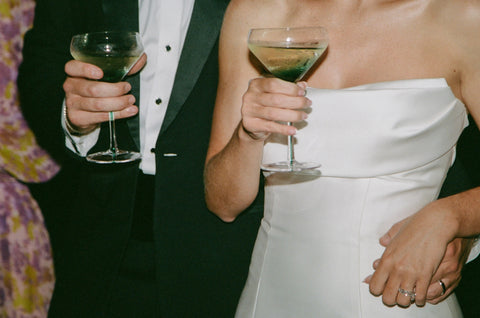


Men's Cocktail Attire Wedding: Stylish Looks for Groomsmen
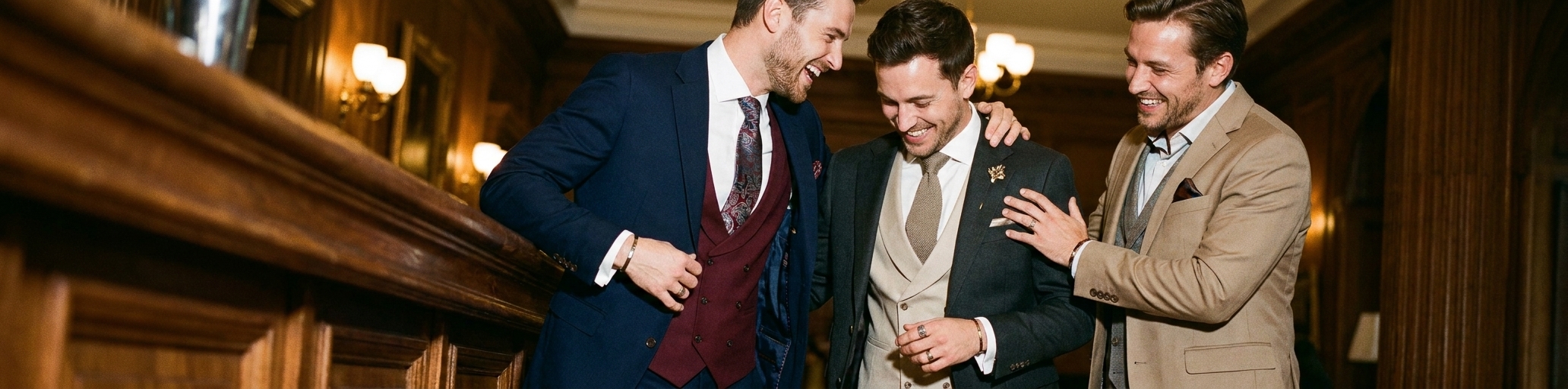
Master cocktail attire for groomsmen weddings by understanding the dress code fundamentals and building a coordinated look with tailored fits, classic colors, and restrained accessories. Learn how to adapt your outfit to seasonal settings and venue types while keeping the focus on the couple, not yourself.
Decoding the Dress Code: What "men's cocktail attire wedding" Really Means
Cocktail attire calls for a well-fitted suit and tie in classic colors, positioned between business casual and black tie formality.
Defining cocktail attire for modern weddings
Cocktail attire sits between business casual and black tie -- more polished than a Friday work outfit, but not as rigid as a tuxedo.
For men's cocktail attire at a wedding, that typically means a well-fitted suit and tie in a classic color like navy, charcoal, or gray, paired with dress shoes and a button-down shirt. [1] The term traces back to early 20th-century semi-formal events, when "cocktail" described a specific social occasion that called for effortless elegance without the full formality of black tie. [2] Today, venue, time of day, and season all shape which direction you take the look -- which is exactly what makes this dress code worth understanding before the invitation hits your inbox. [1]
Key differences from black‑tie and semi‑formal dress codes
The clearest dividing line between cocktail attire, semi-formal, and black tie is the tuxedo.
Black tie requires one; cocktail attire rules it out entirely -- showing up in a tux to a cocktail wedding puts you a full formality tier above the room. [5] Semi-formal is often used interchangeably with cocktail attire, though it can also describe black tie optional, where a tuxedo is appropriate but a polished dark suit works just as well. [4] If you're ever weighing the tux vs suit decision for a specific invitation, the simplest read is this: if "black tie" isn't in the wording, a well-fitted suit is the right answer. [5]
2026 expectations and etiquette for groomsmen
For groomsmen at a cocktail wedding, 2026 expectations have shifted away from identical suits toward coordinated looks that feel intentional without being uniform. [6] Contrasting waistcoats are one of the defining moves this year -- a navy suit with a champagne vest, or charcoal with burgundy -- since they build visual cohesion across the group while letting each person add some personality. [6] The core etiquette rule stays constant: keep accessories restrained, because flashy ties, loud pocket squares, or bold statement pieces pull focus away from the couple. [4] For practical tips on how to coordinate without going full-uniform, our guide to groomsmen suits that actually match walks through the combinations that hold together in photos.
Building the Perfect Groomsmen Look
Tailored fit, wool-blend fabrics, and coordinated accessories--rather than matched ones--create a polished groomsmen look that photographs cleanly.
Suit cuts, fabrics, and color trends for cocktail weddings
For cocktail weddings, the tailored fit has replaced slim cuts as the dominant silhouette -- it sits higher at the armhole, drapes cleanly through the body, and reads sharp without restricting movement across a full wedding day. [7] Wool-blend fabrics are the practical default: they hold their shape through hours of wear, breathe better than polyester, and perform in any season -- our breakdown of polyester suit myths covers the key fabric tradeoffs in detail. [8] Navy and charcoal remain the most versatile base colors, but tan has become the most-requested suit shade of 2024-2025, while hunter green and burgundy are strong choices when the wedding falls in fall or winter. [9] Double-breasted jackets are also gaining ground this year -- they add structure and a vintage sensibility without pushing the formality level past what a cocktail wedding calls for. [7]
Shirt, tie, and pocket‑square pairings that stand out
The shirt, tie, and pocket square work best when they're coordinated rather than perfectly matched -- exact matching across all three reads as overly deliberate in person and in photos. [10] Stick to solids or subtle patterns for the shirt; loud prints compete with the tie and make the whole combination harder to photograph cleanly. [10] For the tie and pocket square, vary the relationship: a patterned tie pairs with a solid pocket square in a complementary color, and a textured solid tie pairs naturally with a pocket square that carries some pattern. [10] Color belongs in the accessories -- burgundy or forest green against a navy suit, for example -- while the shirt stays neutral so the layered combination reads intentional rather than busy. [10]
Shoes, socks, and accessories that complete the outfit
Shoes anchor the look -- oxford and derby styles in black or dark brown are the most reliable choices for men's cocktail attire at a wedding, photographing cleanly against any suit color and working across every venue type. [11] If you're weighing finish options like suede versus patent leather before committing, our guide to tux shoes covers the practical tradeoffs.
Socks are where you can add personality without breaking formality: polka dots, stripes, or argyle in a color that echoes your tie or pocket square all work well without tipping into casual territory. [10] For accessories, pick one or two focal pieces -- a tie bar, cufflinks, or a watch -- keep the rest understated, and match your belt to your shoe color. [10]
Tailoring the Look to the Wedding Setting
Choose seasonal fabrics and colors that match your wedding's time of year and venue type to ensure you look polished and comfortable.
Seasonal fabric and color palettes for spring/summer vs. fall/winterSpring and summer weddings call for lighter fabric weights -- linen blends and lightweight wool -- in colors like light gray, navy, and tan that hold up well in outdoor or daytime light. [12] Pastel accessories, like a dusty blue tie or a blush pocket square, add seasonal color without making the suit itself feel informal. [12] For fall and winter, heavier wool, tweed, or flannel in richer tones -- burgundy, forest green, deep navy, or charcoal -- carry the right visual weight for warmer venue lighting and cooler temperatures. [13] A burgundy suit is particularly flexible here, working across fall weddings and into the holiday season without feeling out of place. [13]
Adapting the outfit for indoor, outdoor, and destination venues
The venue type shapes your fabric and footwear choices as much as the season does.
Indoor settings like hotel ballrooms or historic estates call for structured wool and polished dress shoes; outdoor venues require lighter fabrics for heat management and shoes that hold up on grass or gravel without scuffing. [14] Destination weddings by the coast open the door to linen blends and lighter colors, while mountain resort weddings hold closer to traditional cocktail expectations -- our guide to cocktail attire for beach ceremonies covers the coastal end of that spectrum in detail. [1] When the venue is ambiguous, a navy wool-blend suit travels across all three settings and adjusts with accessories to match the actual formality when you arrive. [14]
Fit adjustments for diverse body types and personal style
Fit matters more than color or fabric when dressing diverse body types for a cocktail wedding. [2] For broader builds, single-breasted jackets distribute visual weight more evenly than double-breasted styles; shorter frames read sharper with a higher button stance and minimal trouser break, while taller builds carry a standard break without issue. [2] A vest adds structure for slim frames where a jacket might look oversized at the shoulder -- our guide to vest suit pairing covers whether to match or contrast in detail. [2] Personal style lives in the smaller choices: a bolder pocket square fold, a textured tie, or patterned socks that echo your accessories without competing with the suit. [2]
Practical Guidance and Pro Tips
Start your groomsmen timeline six to seven months before the wedding, then schedule fittings three to four months ahead to ensure proper fit.
Fit checklist and timeline for rentals or purchases
For groomsmen, the timeline works backward from the wedding date: finalize attire decisions 6-7 months out, schedule fittings 3-4 months ahead, and complete a final fitting 2-4 weeks before the event. [15] If you're renting, plan to pick up the suit 1-2 days before the wedding so there's time to flag and fix any issues before the day arrives. [15] Suit rentals typically run $200-$500; buying a suit runs $300-$1,500 depending on fabric and construction, so the decision usually comes down to how often you expect to wear it again. [15] Our guide to buying suits online walks through how to get a reliable fit measurement without a store visit.
Common pitfalls and age‑appropriate styling tweaks
The most common mistakes at cocktail weddings come down to three things: dressing too casually with jeans, polo shirts, or loafers; overdoing it with loud patterns or flashy accessories; and wearing something that doesn't fit well enough to look intentional. [4] Age-appropriate styling is mostly about restraint -- younger guests can lean into bolder color combinations and patterned socks, while older guests tend to read sharper in classic navy or charcoal with a clean pocket square and minimal layering rather than stacking multiple statement pieces. [4] At any age, the clearest rule is that your outfit should support the occasion rather than compete with it -- and our guide to wedding attire for men covers how to balance your own color choices against what the couple has already planned. [4]
Photo‑ready details and confidence‑boosting final checklist
Wedding photos last -- so it's worth spending five minutes on the details before you leave: check that your jacket sleeves show a quarter-inch of shirt cuff, confirm your collar sits flat on both sides, and make sure your pocket square is folded cleanly rather than stuffed. [16] Lapel pins and brooches are one of the simplest ways to add personality without changing your silhouette -- center one on the left lapel and keep it proportional to your lapel width. [6] If you want a more detailed pre-event checklist that covers the full wedding weekend, our men's formal wear checklist walks through every item from rehearsal dinner to reception in one place. [16]
- Cocktail attire sits between business casual and black tie--a well-fitted suit, tie, and dress shoes without a tuxedo.
- 2026 groomsmen trends favor coordinated looks with contrasting waistcoats over identical suits for intentional visual cohesion.
- Tailored fit silhouettes with wool-blend fabrics in navy, charcoal, or tan work across all seasons and venues.
- Coordinate shirt, tie, and pocket square through varied patterns and colors rather than exact matching for polished photos.
- Plan attire 6-7 months ahead, schedule fittings 3-4 months out, and complete final fitting 2-4 weeks before the wedding.
- Common mistakes include dressing too casually, overdoing patterns or accessories, and wearing ill-fitting clothes that lack intentionality.
- https://www.theknot.com/content/cocktail-wedding-attire
- https://www.gq.com/story/cocktail-attire-for-men
- https://www.weddingwire.com/wedding-ideas/cocktail-and-semi-formal-attire-for-grooms
- https://www.gentlemansgazette.com/cocktail-attire-for-men/
- https://www.erindavies.com/blog/decoding-the-dress-code
- https://ivorytribe.com.au/decoding-the-wedding-dress-code-guide-for-gents/
- https://www.theknot.com/content/mens-suit-trends
- https://mossandfog.com/wedding-suit-ideas-for-men-the-2025-groomsmen-style-guide/
- https://nationaltuxedorentals.com/the-most-popular-wedding-suit-colors-of-2025/
- https://www.zola.com/expert-advice/cocktail-attire-for-men-a-comprehensive-guide
- https://www.theknot.com/content/a-grooms-style-checklist
- https://blacklapel.com/blogs/the-compass/cocktail-attire-for-men?srsltid=AfmBOoqz1ykgOFFNf3hrxCXJmvFZ2fRdB6k0uYFJ3egpSv0s_rBAWaMF
- https://junebugweddings.com/wedding-blog/?p=821910
- https://blacklapel.com/blogs/the-compass/cocktail-attire-for-men?srsltid=AfmBOopikok_GNR5sqlGPW5gE9lA9KrpUHVYQhu7bds1R3j4gnB22Ntq
- https://realworld.co/blog/wedding-planning-checklist
- https://emmalinebride.com/planning/wedding-suits-groom-groomsmen/


