

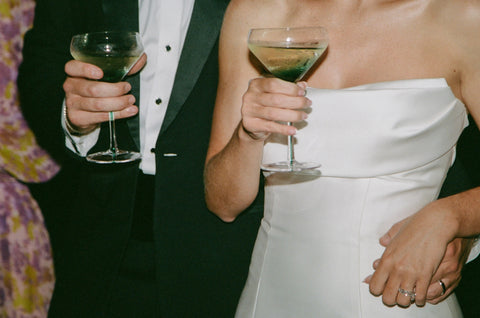


Semi formal wedding attire that still photographs sharp
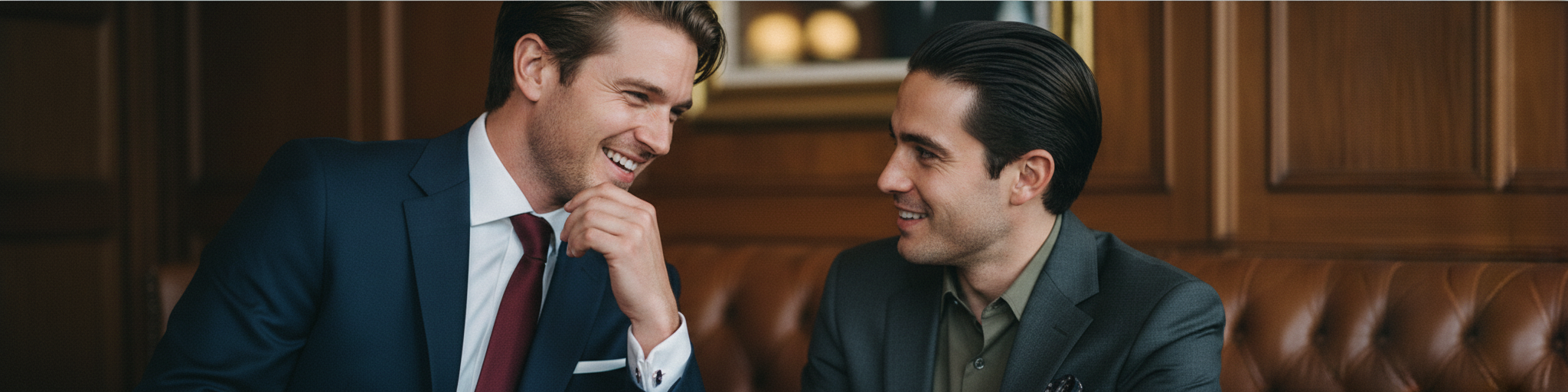
Master semi-formal wedding attire by choosing fabrics and fits that photograph sharp rather than flat or dated. Nail fit, keep your color palette clean, and let one thoughtful personal detail tell your story.
Understanding Semi Formal Wedding Attire: What It Means and Why It Matters
Semi-formal wedding attire balances intentional polish with personal style, sitting between formal dress codes and casual wear on the formality spectrum.
Defining the semi formal dress code
Semi formal wedding attire sits between formal (black tie optional) and casual, giving you room for personal style while still requiring a sharp, put-together look [1]. On the formality scale, it ranks below black tie optional but above smart casual, which means a suit or a blazer-and-slacks combination is the baseline, not a tuxedo and not jeans [2].
Ties become optional rather than mandatory, and you get more latitude with color, pattern, and even shirt style, including short sleeves in warmer months [2]. That flexibility is exactly what makes semi formal wedding attire tricky to photograph well: the dress code allows expression, but cameras flatten texture and contrast, so the pieces you choose still need to read as intentional rather than mismatched [1].
Understanding this middle ground before you shop or rent keeps you from swinging too far toward either extreme, which is the most common styling mistake guests and groomsmen make.
Key differences from formal and casual attire
Formal attire sits just below black tie: guests wear long dresses or dark suits, with tuxedos optional rather than required [5]. Semi formal wedding attire relaxes that structure further, trading floor-length gowns and rigid tailoring for cocktail dresses, dressy separates, or suits in lighter tones that still read as intentional [5].
The distinction from cocktail attire is subtle but real: semi-formal reads as dressy-casual with a bit more polish, while cocktail attire pushes further into elevated territory with structured silhouettes and dressier fabrics [4]. Casual weddings sit at the opposite end, though even there, jeans, shorts, t-shirts, and flip-flops typically stay off-limits unless the invitation says otherwise [3].
Knowing where semi formal wedding attire falls on that spectrum keeps you from underdressing into casual territory or overdressing into cocktail or formal, both of which throw off the visual consistency that makes wedding photos look cohesive.
Why the right look matters for wedding photos
Wedding photos last long after the day itself, which is why fit and fabric choice carry more weight than trend or price tag [6]. Poorly fitted pieces show up clearly on camera: fabric that's too tight restricts movement and bunches into wrinkles, while anything baggy reads as sloppy in still frames [7].
Fabric behavior matters just as much, since stiff materials can photograph awkwardly and overly shiny surfaces throw harsh reflections under flash or direct sun [7]. Lightweight, drapey fabrics tend to give more flattering results, especially outdoors [7].
Accessories deserve the same scrutiny: a watch, tie bar, or pocket square can catch light beautifully or create unwanted glare depending on the material and the venue's lighting [7]. Treating semi formal wedding attire as a photography decision, not just a dress-code checkbox, is what keeps the finished photos looking sharp instead of dated or mismatched.
Core Clothing Pieces That Photograph Sharp
Choose worsted wool in the 9-10 ounce range or tropical weave for breathability, pair with a crisp white or light blue shirt, and select solid ties in navy or burgundy to photograph sharp under flash.
Choosing the perfect suit silhouette and fabric
For semi formal wedding attire, a mid-weight wool suit balances structure with breathability, and worsted wool in the 9-10 ounce range drapes cleanly while holding shape through hours of standing, sitting, and posing for photos [9]. Tropical wool, a lighter open weave within that same worsted family, is the better call for summer or outdoor ceremonies since it breathes without picking up the artificial sheen synthetic blends show under flash [9].
A slim single-breasted, two-button cut remains the most versatile silhouette because it scales across body types without demanding black-tie formality [9]. Avoid high-shine or overly stiff fabrics, which can look plastic-like in photographs, and favor a jacket with natural shoulders and enough drape to move easily during the reception [8].
Linen suits work for beach or destination settings, though the fabric wrinkles over the course of a long day [9]. Browsing The Black Tux wedding suits is an easy way to compare these fabrics side by side--and with home try-on, you can see how a weave reads in your own light before you commit.
Shirt and tie combos that pop on camera
A crisp white shirt remains the most versatile base for semi formal wedding attire since it pairs cleanly with nearly any tie color and holds up under flash without distorting skin tones [10]. Light blue works almost as well and adds a touch of personality while still reading as classic in photos [10].
For the tie, stick to the contrast rule: choose a shade darker than your shirt, since a white shirt with a navy or burgundy tie is a dependable, camera-friendly pairing [10]. Solid ties in grey, navy, or burgundy photograph better than busy patterns because they won't compete with the venue's colors or the wedding party's palette [11].
If your shirt has any pattern, keep the tie solid, and vice versa, since two competing patterns tend to look chaotic once captured in a still frame [10]. Also keep the tie width proportional to your lapel; mismatched proportions show up clearly in group shots [10].
Footwear and accessories that enhance the look
Footwear anchors the look, since shoes appear in nearly every full-length photo and group shot. Classic dress shoes remain the safest choice for semi formal wedding attire, though smart suede or leather loafers, or a dress boot, work if the rest of the outfit is polished [12]. Keep shoes darker than the suit; lighter suits pair well with cognac or tan leather, while navy or charcoal call for black or dark brown [13].
Sneakers, combat boots, and flip-flops read as sloppy on camera and break the cohesion photographers rely on for group shots [12] [13]. Match the belt to the shoes and, if worn, keep the watch strap in the same leather tone for a coordinated finish [13]. Accessories should stay minimal: a pocket square, a classic watch, and cufflinks add polish without competing for attention [12].
Save flashier choices, like double monks, for guests confident the rest of the outfit can carry them without upstaging the wedding party [12].
Modern Styling Tips for a Polished Photo-Ready Appearance
Earth tones, jewel tones, and strategic patterns photograph best in semi-formal wedding attire, while fit and grooming ensure you look sharp on camera.
Color palettes and patterns that work in 2026
For semi formal wedding attire in 2026, earth tones lead the way. Olive, tobacco brown, camel, and chocolate are dominating wardrobes because they photograph warmly against outdoor backdrops [14] [15]. A navy suit stays the safest, most versatile choice, flattering nearly every skin tone and working across ceremony types from garden to ballroom [15].
Jewel tones like emerald and sapphire are also gaining traction for guests who want a bolder statement without leaving the semi formal range [15]. When it comes to pattern, scale matters more than color: windowpane and glen plaid read as sophisticated and camera-friendly, while tight, small-scale patterns like herringbone or micro-checks can trigger a moiré effect that distorts fabric on camera [15]. Stick to matte finishes over shiny synthetics, since natural fibers like wool and linen photograph cleaner under both flash and daylight [15].
If you choose a patterned jacket, keep the shirt and tie solid to avoid visual clutter in group photos [15].
Fit, tailoring, and grooming essentials
Fit determines how sharp semi formal wedding attire looks on camera, since cameras exaggerate loose shoulders, oversized jackets, and trousers that bunch at the ankle far more than the eye does in person [16]. A well-tailored suit should allow movement without looking tight: sleeves show a small amount of shirt cuff, the jacket sits naturally across the shoulders, and trousers fall cleanly without stacking on the shoe [16].
If you're unsure whether a jacket is sitting right, that's exactly what a fitting is for--more on timing that below. Grooming rounds out the look, too; scheduling a haircut three to seven days before the event keeps hair looking fresh without appearing too recently cut, and trimmed, tidy nails matter given how often hands appear in close-up ring shots.
Incorporating subtle personal touches without distraction
Personal touches work best in semi formal wedding attire when they stay small and singular rather than piling up. Heirloom watches, embroidered cuffs, and unexpected boutonnières are showing up more often as guests and groomsmen look to make standard suiting feel personal rather than rented [18].
A pocket square in a color that nods to a shared memory, a tie bar passed down from a father, or cufflinks tied to a specific occasion all photograph well because they're small, catch light naturally, and don't compete with the rest of the outfit [19]. The rule for cameras is the same as the rule for good styling generally: pick one detail to carry the personal story and keep everything else, shirt, tie, pocket square, deliberately plain.
Two or three competing personal items in the same frame reads as clutter once the photo is developed, undercutting the intentionality guests are aiming for [18].
Practical Planning and Shopping Guide
Book semi-formal attire three to nine months ahead depending on whether you rent or buy, then schedule fittings four to six weeks and one to two weeks before the wedding.
Timing your rentals or purchases for the big day
Booking your semi formal wedding attire three to four months ahead gives you the best shot at your preferred style, size, and fabric before inventory thins out [20]. If you're buying rather than renting, push that window to six to nine months, since custom orders and seasonal fabrics need more lead time [21].
Whichever route you choose, the fitting schedule matters as much as the booking date: an initial fitting four to six weeks out lets you confirm proportions, while a final fitting one to two weeks before the wedding locks in sleeve length and hem [20]. Pick up rentals two to three days before the event so you have time for a final check at home [20].
For a closer look at how far ahead to book wedding suit rentals, review the full timeline before you commit to a date.
Budget-friendly options without compromising style
Renting keeps semi formal wedding attire affordable without sacrificing polish: most rentals run $150 to $300, averaging around $205 per person, and typically bundle the jacket, trousers, shirt, and accessories [22]. At The Black Tux, you can build your full look online and have it delivered to your door, which takes a lot of the legwork out of coordinating a wedding party.
Buying off-the-rack costs more upfront, $300 to $600 before alterations, but makes sense if you'll wear the suit again for work or future events [22]. Booking as a group pays off directly, since many rental companies waive the groom's fee when four to six groomsmen rent together, cutting $150 to $300 from the overall cost [22].
Stick to rewearable colors like navy or charcoal rather than trend pieces, since these shades photograph as sharp as anything pricier and get more use afterward [22]. Spend any extra budget on tailoring rather than a bigger brand name: a well-fitted mid-range suit often reads better on camera than an unaltered expensive one [22].
Ensuring everything is photo-ready on the wedding day
A compact grooming kit kept with the best man or in the car keeps semi formal wedding attire looking sharp through the reception, since wrinkles, stains, and loose threads flatten into obvious flaws once a camera catches them [24]. A few small items cover most on-camera mishaps:
- Lint roller for pet hair or lint before photos [24]
- Fashion tape for slipping lapels or loose buttons [24]
- Small sewing kit with a spare button [24]
- Stain remover pen for spilled drinks [24]
- Travel steamer for wrinkles from transport [24]
Lotion for hands and knuckles matters too, since dry skin shows up clearly in close-up ring shots [24]. Assign one person to hold the kit so it doesn't crowd the pockets of your semi formal wedding attire on the day itself [23].
Semi formal wedding attire gives you real room to look sharp without overthinking it--nail the fit, keep the palette clean, and let one thoughtful detail do the talking. That's the whole approach here at The Black Tux: whether you rent or buy, home try-on, easy online booking, and expert fittings help you lock in a look built to photograph well long after the last dance. Ready to see it in person? Visit Our Showrooms to find your perfect fit.
Frequently Asked Questions
-
How much does semi formal wedding attire typically cost — renting vs. buying?
Renting usually runs $150 to $300, averaging around $205 per person, and typically includes the jacket, trousers, shirt, and accessories. Buying off-the-rack costs more upfront, $300 to $600 before alterations, but can make sense if you'll rewear the suit for work or other events. Compare a rental package's actual contents and price against buying the pieces separately before deciding.
-
Can I save money if several groomsmen book together?
Yes — the article notes that many rental companies waive the groom's fee when four to six groomsmen rent together, cutting $150 to $300 from the overall cost. It also suggests sticking to rewearable colors like navy or charcoal and putting extra budget toward tailoring rather than a pricier brand, since a well-fitted mid-range suit often photographs better than an unaltered expensive one.
-
How far in advance should I book a semi formal suit for a wedding?
Book three to four months ahead if you're renting to get your preferred style, size, and fabric before inventory thins out. If you're buying, push that window to six to nine months since custom orders and seasonal fabrics need more lead time. Plan an initial fitting four to six weeks out and a final fitting one to two weeks before the wedding to lock in sleeve length and hem.
-
What should be in a wedding-day grooming or touch-up kit?
The article lists five compact items to keep on hand: a lint roller, fashion tape, a small sewing kit with a spare button, a stain remover pen, and a travel steamer, plus lotion for hands since dry knuckles show up in close-up ring shots. Assigning one person, like the best man, to hold the kit keeps it from crowding pockets while staying accessible for touch-ups before photos.
-
Are ties required for a semi formal wedding, and what colors work best?
No — semi formal dress codes make ties optional rather than mandatory, giving more latitude with color and pattern. When you do wear one, the article recommends a shade darker than your shirt (like navy or burgundy with a white shirt) and solid colors in grey, navy, or burgundy, since busy patterns can compete with the venue's palette in photos.
- Semi-formal wedding attire balances structure with personal style, sitting between formal and casual on the dress code spectrum.
- Fit and fabric choice matter more than trends or price; poorly fitted pieces and high-shine materials photograph poorly on camera.
- Mid-weight worsted wool suits in earth tones or navy drape cleanly and photograph sharply under both flash and natural light.
- Solid ties, crisp white or light blue shirts, and classic dark dress shoes create camera-friendly pairings that won't compete visually.
- Book semi-formal attire 3-4 months ahead, schedule fittings at 4-6 weeks and 1-2 weeks before the event for optimal results.
- Personal touches work best as single, intentional details like heirloom watches or embroidered cuffs rather than multiple competing items.
- Keep a compact grooming kit on hand during the reception with lint roller, fashion tape, stain remover, and steamer for touch-ups.
- https://www.thetiebar.com/blogs/news/semi-formal-wedding-attire-for-men-what-to-wear
- https://www.studiosuits.com/blogs/articles/the-ultimate-guide-for-semi-formal-wedding-attire-for-men
- https://www.vogue.com/article/wedding-dress-codes
- https://showmeyourmumu.com/blogs/mumu-weddings/semi-formal-vs-cocktail-attire
- https://twoheartsbridal.net/blog/formal-vs-semi-formal-wedding-attire-dress-codes-explained
- https://darzidarwazepe.com/how-custom-tailoring-makes-wedding-photos-better/
- https://www.mkourti.com/blog/pre-wedding-photoshoot-outfit-mistakes
- https://www.nytimes.com/wirecutter/reviews/best-mens-suits/
- https://suitablee.com/en/perspective/post/how-to-dress-your-groomsmen-in-2026
- https://www.beautiesltd.com/blogs/beau-ties-blog/shirt-and-tie-color-combinations
- https://www.thetiebar.com/blogs/news/what-color-tie-to-wear-to-a-wedding-full-wedding-tie-guide
- https://www.oliverwicks.com/article/semi-formal-wedding-attire
- https://www.cobbler-union.com/blogs/journal/wedding-dress-shoes-for-men
- https://www.tuxedobysarno.com/2026-groom-style-trends/
- https://thesuitdoctor.com/blog/wedding-suit-colors-and-styles
- https://www.bespoke-bride.com/2026/01/28/wedding-day-style-guide-mens-suits-that-look-timeless-in-photos/
- https://www.vogue.com/article/wedding-trends-2026
- https://proximityofcare.com/proximityofcare-news/sharp-wedding-photos-capturing-the-grooms-best-look-1767647594
- https://berksmenswear.com/blogs/berks-blogs/tuxedo-rental-timeline-how-far-in-advance-do-you-really-need-to-book-wedding-season-2026
- https://groomsday.com/blogs/guides/when-should-groomsmen-get-their-suits
- https://paperlust.co/blog/how-much-does-a-wedding-suit-cost/
- https://www.tungstenringsco.com/blog/2026/05/the-complete-wedding-day-emergency-kit-checklist/
- https://www.wedding-spot.com/blog/wedding-day-emergency-kit-checklist


