

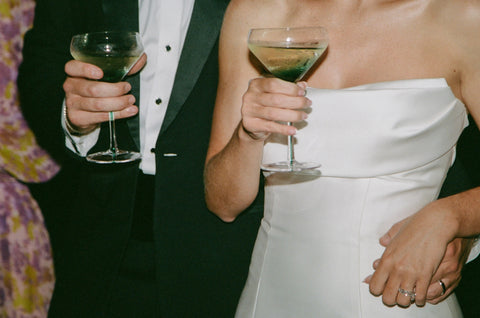


Mastering Men's Formal Wear: Essential Tips for Your Look
- Summary
- Decoding Dress Codes for Men's Formal Wear
- Selecting the Perfect Suit or Tuxedo
- Fit and Tailoring: Achieving a Flawless Silhouette
- Key Shirts, Shoes, and Accessories
- Maintaining and Caring for Your Formal Wardrobe
- Renting vs Buying: Smart Strategies for Men's Formal Wear
- Key Takeaways
- References
Master the dress code hierarchy, fit fundamentals, and styling details that separate polished formal wear from costly mistakes. From white tie to semi-formal, learn exactly what to wear and why each element matters for your next event.
Decoding Dress Codes for Men's Formal Wear
White tie and black tie sit atop the formal dress code hierarchy, each with precise, non-negotiable ensemble requirements you must follow exactly.
White Tie and Ultra‑Formal Events
White tie -- also called "full evening dress" -- sits at the top of the formal dress code hierarchy, reserved for state dinners, royal galas, Nobel Prize ceremonies, and select opera premieres. [2] The required ensemble is precise: a black tailcoat (not a tuxedo), high-waisted black trousers with a double braid down each side seam, a white starched Marcella shirt with a detachable wing collar, a white piqué waistcoat, and a hand-tied white bow tie. [1] [3] Accessories follow strict tradition -- black patent leather shoes, understated studs and cufflinks, and optionally white gloves. [3] If your invitation specifies white tie, treat every element as non-negotiable; swapping in a regular tuxedo or skipping the tailcoat signals you misread the room entirely. [1]
Black Tie and Formal Gatherings
Black tie is the most common formal dress code you'll encounter -- weddings, award ceremonies, charity galas, and theatre premieres all qualify, and invitations typically specify it for events after 6pm. [4] The core uniform is a black or midnight blue tuxedo with matching trousers, a white dress shirt, a hand-tied black bow tie, and black patent leather shoes -- not a dark suit with a necktie. [4] Midnight blue is worth considering because it reads darker than black under artificial light, making it the sharper choice for evening events. [4] A cummerbund is optional but creates a cleaner silhouette at the waist and signals familiarity with the dress code's traditional details. [4]
Black Tie Optional & Creative Black Tie
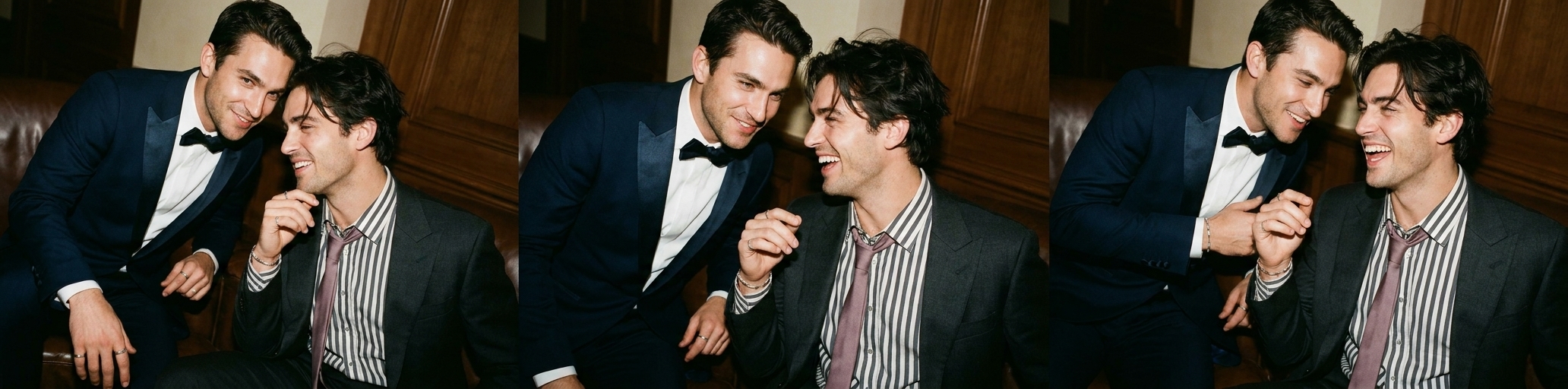
Black tie optional sits one step below standard black tie -- a tuxedo is still preferred, but a well-tailored dark suit with a dress shirt and tie is an accepted alternative. [5] If you go the suit route, charcoal or navy works best; treat it as the most formal version of that garment and pair it with leather dress shoes and a silk tie. [7] Creative black tie keeps the same formal foundation but opens the door to texture, color, and personal expression -- think a deep velvet jacket in a jewel tone worn with black tuxedo trousers, or a muted dusty mauve bow tie in place of the standard black. [6] Whichever variation you're dressing for, the outfit still needs to read as formal at a glance, even when the details are your own. [6]
Business Formal and Semi‑Formal Settings
Business formal means a matched suit in dark or neutral tones, a dress shirt, tie, and leather dress shoes -- the darker the suit, the more formal the read. [8] Semi-formal sits just above business formal but allows more room for color, pattern, and detail; a blazer or suit with a dress shirt and tie is still expected, but you have real flexibility in how you style it. [9] For evening events, darker tones like navy are the sharper choice, while daytime semi-formal attire opens the door to lighter options. [8] If the invitation reads "semi-formal" and the event starts after 6 p.m., lean toward the more formal end of that range rather than the relaxed one. [8]

Selecting the Perfect Suit or Tuxedo
Navy and charcoal wool suits with peak lapels and three-piece construction read most formal, while fabric choice and lapel style each signal formality before details matter.
Classic Colors and Fabrics for Modern Men's Formal Wear
Color and fabric both shape how formal your outfit reads before anyone notices the details.
For men's formal wear, navy and charcoal are the two most reliable suit colors -- navy works across weddings, galas, and evening events, while charcoal carries a slightly more authoritative tone and pairs with nearly any shirt and tie combination. [10][11] Wool is the standard fabric for formal suiting because it breathes, holds its shape over a long evening, and drapes cleanly -- merino wool in particular offers better temperature regulation than most blended alternatives. [10] Linen and cotton work for summer events but sacrifice structure, making them a better fit for semi-formal or outdoor settings than strict black-tie occasions. [10]
Three‑Piece vs Two‑Piece Options
The difference between a two-piece and three-piece suit comes down to one piece: the waistcoat, worn over your shirt and under the jacket. [13] The waistcoat covers the waistband and draws the eye vertically, giving the overall silhouette more structure -- which is why the three-piece reads as more formal and tends to stand out at weddings and evening events. [14] One practical advantage: remove the vest and you have a two-piece, so one purchase gives you both options depending on the occasion. [13] All three pieces should match in fabric and pattern -- pairing a patterned jacket with a mismatched vest, for example, produces odd separates rather than a cohesive suit. [12]
Choosing Lapel Styles and Details
Every suit jacket uses one of three lapel styles -- notch, peak, or shawl -- and each signals a different formality level before you've said a word. [15] The notch lapel is the most versatile, with its V-shaped cut working across job interviews, weddings, and semi-formal events without calling attention to itself. [15] Peak lapels point upward toward the shoulders, adding visual authority that suits formal weddings and evening occasions -- a peak lapel tuxedo creates a stronger silhouette that photographs well and reads commanding in person. [15] Shawl lapels belong almost exclusively to tuxedos and dinner jackets, where their continuous rounded curve produces a clean, unbroken line that no other lapel type can replicate for black-tie settings. [15]
When to Opt for a Tuxedo Over a Suit
The clearest signal to reach for a tuxedo is a black-tie or white-tie invitation -- evening weddings, charity galas, opera premieres, and award ceremonies all qualify. [16] A suit, regardless of color, isn't an appropriate substitute at these events; what's required is the satin lapels, trouser stripe, and formal shirt that define a tuxedo. [17] For events sitting below black tie -- cocktail receptions, semi-formal dinners, daytime weddings -- a well-tailored suit is correct, and wearing a tuxedo would read as overdressed. [16] If the invitation doesn't specify, check the start time: events beginning after 6 p.m. with any ceremonial weight generally call for a tuxedo over a suit. [16]
Fit and Tailoring: Achieving a Flawless Silhouette
Perfect jacket and trouser fit requires attention to shoulder seams, chest pull, jacket length, sleeve proportion, and trouser break--details that transform your entire silhouette.
Shoulder and Chest Measurements
The shoulder seam is the most important -- and hardest to fix -- checkpoint on any jacket. [18] It should land exactly at the edge of your natural shoulder bone: too far out creates a divot on the upper sleeve head, too narrow binds across the upper back, and neither issue can be meaningfully corrected by a tailor. [18] For chest fit, button the jacket and check for smooth fabric across the front -- horizontal pulling or X-shaped strain at the button means too tight, while vertical creases signal too much room. [19] Measure your chest at its widest point to find your starting size, then use a suit jacket size chart to translate that number into the right jacket size before trying anything on. [19]
Jacket Length and Sleeve Break
Jacket length is one of the few fit details that can't be corrected after purchase -- lengthening is impossible, and shortening disrupts pocket placement and button position enough to throw off the entire garment. [20] With your arms relaxed at your sides, the jacket hem should reach your middle thumb knuckle at the front and fully cover the seat at the back, without dropping into the upper thigh. [20] For sleeve length, aim to show ¼ to ¾ of an inch of shirt cuff past the jacket sleeve when your arms hang naturally at your sides. [21] Jacket length and sleeve length should match in proportion -- a mid-length jacket paired with noticeably short or long sleeves creates visual imbalance that's easy to sense even when it's hard to name. [20]
Trouser Break and Waist Fit
The trouser break is where the front of your pant leg meets your shoe, and the fold it creates has a direct impact on how your whole outfit reads.
For formal wear, the half break is the most versatile choice: the hem sits ½ to ¾ inch past where your trousers first contact the shoe, creating a slight fold without looking sloppy. [23] One key variable: slimmer trousers create more break at a given length than wider ones, so slim-cut pants need to be hemmed shorter to hit the same spot. [22] At the waist, trousers should stay up without a belt -- horizontal strain across the thighs means too tight, and a saggy seat means they need to be taken in. [24]
The Role of Professional Alterations
A tailor can fix most fit issues after purchase -- taking in the sides, narrowing sleeves, adjusting the trouser waist, and hemming the leg are all standard work that costs roughly $10 to $100 depending on complexity. [25] The consistent exception is the shoulders: restructuring them means removing sleeves, recutting chest panels, and often relining, making it more cost-effective to find a better-fitting jacket from the start. [26] When deciding between two sizes, go larger -- most ready-to-wear suits include little extra seam allowance for letting out, so sizing down is consistently more reliable. [27] The shoulder fit is the deciding factor in whether a suit is worth tailoring or replacing altogether.
Key Shirts, Shoes, and Accessories
Patent leather Oxfords signal black-tie formality through their sleek silhouette and high-gloss finish, while Venetian loafers offer the only acceptable loafer alternative.
Choosing Crisp Dress Shirts for Formal Wear
The shirt under your tuxedo or formal suit shapes how the entire look reads -- collar, cuffs, and color all signal formality before you've added a single accessory.
For black-tie and white-tie events, a white dress shirt is correct: it pairs cleanly with any tuxedo color and doesn't compete with your bow tie or studs. [28] Collar type tracks formality directly -- a wing collar is built for tuxedo wear, while a spread or point collar works for business formal and any setting where you're wearing a necktie instead of a bow tie. [28] For cuffs, French cuffs with cufflinks are the right call at black-tie events, while barrel cuffs -- which close with buttons -- work well for business formal and semi-formal occasions where the look is slightly less ceremonial. [28]
Footwear Essentials: Oxfords, Loafers, and Patent Leather
The shoes you wear with men's formal wear signal formality before anyone notices the suit.
For black-tie events, patent leather Oxford shoes are the standard -- the closed lacing system creates a sleeker silhouette than an open-laced Derby, and the high-gloss finish pairs naturally with the satin lapels and trouser stripe of a tuxedo. [29] If patent leather isn't an option, a thoroughly polished whole-cut Oxford in black calf leather is an accepted substitute -- the seamless upper keeps the look clean, and the right polish technique can bring the shine close enough to pass. [29] Venetian loafers -- slip-ons with no tassel or decorative hardware -- are the one loafer style that works for black tie, while tassel loafers read too casual for the dress code. [29] Brown shoes, regardless of finish or how well they're polished, don't belong with a tuxedo. [29]
Tie, Bow Tie, and Pocket Square Pairings
At black-tie events, you'll wear a black bow tie with your tuxedo -- a necktie isn't a substitute, it reads as the wrong dress code entirely. [31] When a necktie does apply, pair it with a pocket square by picking a color from the square's palette that echoes the tie, or go a shade noticeably lighter or darker -- complementing, not matching, is the rule. [30] Never wear a matching tie-and-pocket-square set as a coordinated pair; it reads stiff and dated, and signals you didn't know better. [30] [31] For formal occasions, a flat (presidential) fold is the reliable default; puff or pointed folds fit weddings and semi-formal settings where more personal expression is welcome. [30]
Cufflinks, Watches, and Subtle Accents
Small hardware pieces -- cufflinks, a tie bar, and a dress watch -- complete a formal look when chosen with consistency in mind.
Keep metal finishes matched across all three: silver cufflinks call for a silver tie bar and silver watch case, while gold hardware follows the same logic; mixing metals reads as an oversight rather than a deliberate choice. [32] For weddings and black-tie events, a slim dress watch on a leather strap is the cleaner option over a metal bracelet -- keep the dial simple and the case low-profile. [32] Position a tie bar between the third and fourth shirt buttons, and make sure its width stays narrower than the tie itself -- going wider throws off the proportions immediately. [32]


Maintaining and Caring for Your Formal Wardrobe
Proper storage on wooden hangers, breathable garment bags, and minimal dry cleaning preserve your formal wear's shape and color for years.
Cleaning and Storage Best Practices
After a formal event, hang your tuxedo or suit on a wide wooden hanger immediately -- wire hangers distort the shoulder shape over time, and the damage compounds with each wear.[33] Cover it with a breathable cotton or canvas garment bag rather than the plastic bag from the dry cleaner; plastic traps moisture and can cause mildew on natural fibers like wool and silk.[34] Store the garment in a cool, dry spot away from direct sunlight, which fades color and weakens fibers over time.[33] Dry cleaning should be reserved for visible soiling or odor -- and when you do send it in, clean the jacket and trousers together so any color shift from the process stays consistent across both pieces.[34]
References
Culwell & Son. (2026, January 26). How to care for and store suits properly. Culwell & Son. https://culwell.com/how-to-care-for-and-store-suits-properly/
Schneider, S. R. (2018, December 3). Tuxedo maintenance & care. Gentleman's Gazette. https://www.gentlemansgazette.com/tuxedo-black-tie-guide/basics-101/tux-maintenance-care/
Buy4LessTuxedo. (n.d.). How to store your tuxedo. Buy4LessTuxedo.com. https://www.buy4lesstuxedo.com/blogs/news/how-to-store-your-tuxedo
Seasonal Fabric Care for Men's Formal Wear
Rotating your wardrobe by season is also a fabric care decision.
Lighter fabrics like linen and cotton suit summer events, but they need to be cleaned before going into off-season storage -- body oils left in the fibers attract moths over months. [37] Cedar blocks or lavender sachets placed inside your garment bag handle insect prevention without harsh chemicals and keep everything smelling fresh when you pull it out next season. [36] Fall and winter fabrics like velvet and wool require breathable storage year-round -- plastic bags trap moisture and can damage the pile or fiber structure, so a cotton garment bag is the right call regardless of the season. [35]
Quick Repairs and When to Seek a Tailor
A loose button or a slipped belt loop can be fixed at home with a needle and thread -- and it's worth doing before the damage compounds. [39] Anything structural belongs with a tailor: taking in the jacket sides, narrowing sleeves, hemming trouser legs, and adjusting the waistband are all standard work that typically runs $10 to $100 depending on the complexity of the job. [38] If you're working with a new tailor for the first time, bring a small job first -- a trouser hem or a button replacement -- before handing over anything you care about deeply. [38] Simple alterations rarely take more than 48 hours, though peak seasons like spring wedding months can stretch that timeline, so build in a buffer when timing matters. [38]
Building a Longevity‑Focused Capsule
A longevity-focused formal capsule starts with two suits that anchor everything else: navy in mid-weight wool and charcoal, which together cover weddings, galas, business dinners, and semi-formal events without redundancy. [40] Every piece you add should work in at least three different contexts -- if it can only do one job, it doesn't earn its place. [42] Natural fibers like wool and cotton wear better over years than synthetic blends and respond well to tailoring as your needs evolve. [41] If you're weighing whether to rent or build a wardrobe, the capsule approach starts making financial sense once you're attending more than two or three formal events per year, at which point the cost-per-wear on quality pieces drops significantly. [40]

Renting vs Buying: Smart Strategies for Men's Formal Wear
Buying formal wear makes financial sense once you attend three or more formal events annually, shifting the cost-per-wear math in your favor.
Cost‑Benefit Analysis of Rental Services
The upfront math on renting is straightforward: most tuxedo rentals run between $150 and $300, with the national average sitting around $205 according to The Knot's 2025 Real Weddings Study. [43] Accessories like cufflinks and pocket squares add roughly $10 to $15 each, while larger add-ons like shoes or a vest run closer to $30 per piece. [43] What you get for that price can be surprisingly strong -- rental services often carry fully canvassed, fine wool tuxedos that retail for $1,500 or more, making the per-event cost far lower than a comparable purchase. [43] The math shifts when you factor in cost-per-wear: if you're attending multiple formal events a year, that recurring tuxedo rental cost adds up faster than a single quality purchase that gets reworn. [44]
How to Choose the Right Rental Provider
Two factors separate a reliable rental provider from a frustrating one: how well they handle fit, and how much lead time they give you before the event.
Providers that deliver your rental 10 to 14 days out -- rather than two or three -- give you time to confirm the fit and request a free replacement if anything is off. [45] In-store appointments offer the most complete consultation since you can feel the fabric and try styles in real time, while home try-on vs. showroom options ultimately come down to your schedule and proximity to a location. [45] If you're coordinating a wedding party that includes out-of-town members, prioritize a provider with the infrastructure to handle multiple fit orders across different locations without requiring you to manage each one manually. [46]
When Purchasing Makes Sense for Long‑Term Use
Purchasing makes clear financial sense once you're attending three or more formal events per year -- that's where the cost-per-event math shifts in favor of ownership over repeated rentals, and our rent vs. buy cost breakdown walks through exactly how the numbers stack up. [47] A quality wool tuxedo maintained correctly can last 10 to 15 years, spreading the upfront cost across a far longer runway than most buyers initially account for. [47] Ownership also gives you full tailoring control -- something rental inventory can't replicate if your measurements fall outside standard sizing or your body has settled at a consistent frame. [48] If your weight is stable and your formal calendar is growing, owning will almost always outperform renting on both fit and long-term cost. [47]
Tips for a Seamless Rental Experience
Book your rental as soon as you have a confirmed date, venue, and color palette -- following a clear wedding tux rental timeline keeps your style options open and removes last-minute pressure. [45] Prioritize providers that ship your rental 10 to 14 days before the event, since that window gives you time to request a replacement if the fit is off. [45] If you're coordinating a wedding party, choose a provider equipped to handle fit orders across multiple locations -- managing each person's measurements individually creates unnecessary friction. [45] Home try-on services and fabric swatches, available through most major rental providers, eliminate most of the guesswork before you place your final order. [45]
- White tie requires a black tailcoat, not a tuxedo, with precise elements like a wing collar shirt and white piqué waistcoat.
- Black tie is the most common formal code; midnight blue tuxedos read sharper than black under artificial evening light.
- Shoulder seams are the hardest fit issue to correct--they must land exactly at your natural shoulder bone or the jacket isn't worth tailoring.
- Navy and charcoal wool suits anchor a formal wardrobe and work across weddings, galas, and business dinners without redundancy.
- Ownership makes financial sense once you attend three or more formal events yearly; quality wool tuxedos last 10-15 years when properly maintained.
- Patent leather Oxford shoes are black-tie standard; brown shoes don't belong with a tuxedo regardless of polish.
- Rental lead time matters--providers shipping 10-14 days before the event give you time to request free replacements if fit is off.
- https://westwoodhart.com/blogs/westwood-hart/white-tie-dress-code-mens-formal-evening-wear-guide?srsltid=AfmBOop4OfOAgttGq45EpkfNBhk_iV7k34rqX0x9-xybjWRQ7iyFw6DW
- https://emilypost.com/advice/attire-guide-dress-codes-from-casual-to-white-tie
- https://sartoro.co/blogs/sartorial/white-tie-vs-black-tie?srsltid=AfmBOooGbTAAzZHU0w7AZICWnXtGwY5yulEsjux6N_dEbmxUkpCegxHU
- https://www.gq.com/story/black-tie-attire-explained
- https://emilypost.com/advice/black-tie-dress-code
- https://www.thetiebar.com/blogs/news/what-to-wear-to-a-black-tie-wedding-as-a-guest-mens-complete-guide?srsltid=AfmBOorWpsWREgNYFFqGgGkVLKqRRWG8qwXeXek_hYWIt41vZTJgyZxV
- https://www.adriannapapell.com/blogs/wedding-planning/black-tie-optional-wedding-attire?srsltid=AfmBOooAy3ztxevoT73-ONXMKTj4fTEfWYPYiaZ63QcJKeg9a8u1UMQ8
- https://manofmany.com/style/difference-between-formal-and-semi-formal-dress-code
- https://www.paulsimonco.com/blog/understanding-mens-dress-codes-for-events
- https://suitharbor.com/blogs/suitharbor-press/best-suits-for-men-the-complete-guide-to-every-style?srsltid=AfmBOoqUftTI_OIV8kRU0oZkNH_2dtQTsj4Xf3hG4E51uzhTewRkcKJt
- https://lsmensclothing.com/top-10-suit-colors-every-man-should-own/
- https://hespokestyle.com/mens-three-piece-suit-guide/?srsltid=AfmBOop-1pQIr9ngNtY8MrdCp6dQ3kh6B7Se23ZimZTtjs2hdLRKFqBk
- https://blacklapel.com/blogs/the-compass/how-and-when-to-wear-a-three-piece-suit?srsltid=AfmBOorru93TufIrnK-CEtxmPW2DG1aq33qElSsWMAhx3j-iUrQVEk-n
- https://sartoro.co/blogs/sartorial/2-piece-vs-3-piece-suit?srsltid=AfmBOoqQpCbq-c2KWrOCKNfdG9TBLer1VkdwG5eldcZOu34BkYJv3AbE
- https://www.hockerty.uk/en-uk/blog/suit-lapel-types
- https://www.gentlemansgazette.com/when-to-wear-a-tuxedo-or-tails/
- https://www.theknot.com/content/tuxedo-vs-suit
- https://www.josbank.com/blog/suit-fit-guide/?srsltid=AfmBOorAAlsrPwLc0BKBJ3tVML5v3eARDVNLd_x_QKaYKpKU34LVeLtQ
- https://www.gentlemansgazette.com/how-a-suit-should-fit/
- https://www.oliverwicks.com/article/the-ideal-fit?srsltid=AfmBOoq55iqxvKwZrZbWgEmaGGiHmuvsnVYkLJMezeL2CY5YOAncUxAM
- https://alterations-express.com/2021/09/14/4-tips-for-suit-alterations-tailoring/
- https://www.gentlemansgazette.com/proper-pants-break/
- https://blacklapel.com/blogs/the-compass/guide-to-dress-pant-breaks?srsltid=AfmBOoqN3WFvBuULFzwRVTBK7fo_Ld8IQacU3cvB700GLP5pN0L60qYV
- https://www.montagio.com.au/cms/how-long-should-suit-trousers-be
- https://www.oliverwicks.com/article/suit-alterations?srsltid=AfmBOorR3bSty9uqyLwMQRsOakK6SxJOiPKgdlFr74LULjbN1_1-EosJ
- https://articlesofstyle.com/blogs/news/a-guide-to-suit-alterations?srsltid=AfmBOopcjb_aNRTRQ0jKJpLr4YUGmHp7g3wNT1Ng_8Ra1MA2IAFlddaU
- https://www.gentlemansgazette.com/suit-alterations-what-a-tailor-can-do/
- https://www.gentlemansgazette.com/the-shirt-style-guide/
- https://www.mrporter.com/en-ca/journal/fashion/everything-you-always-wanted-to-know-about-dress-shoes-but-were--800626
- https://www.rampleyandco.com/blogs/the-journal/16989644-pocket-square-etiquette?srsltid=AfmBOop2W_yZNywQdEnod45dd1glLsj0US5urr2N5Uj2wN97QnEaxGNy
- https://www.thetiebar.com/blogs/news/how-to-match-ties-pocket-squares-a-complete-guide?srsltid=AfmBOopuAijMekf7rePTDX5F0YG55hCOBAN_Rgx6peVlbk5apbPXO_N7
- https://www.alphasuit.com/how-to-accessorize-a-mens-suit/
- https://culwell.com/how-to-care-for-and-store-suits-properly/
- https://www.gentlemansgazette.com/tuxedo-black-tie-guide/basics-101/tux-maintenance-care/
- https://www.watsonellis.com/suit-care
- https://jimmyscleaners.net/a-mans-guide-to-suit-care-cleaning-storage-longevity/
- https://www.trevorfurbay.com/care-for-custom-suit/?srsltid=AfmBOop7koUqOZWtS52XHnh7eumFQ-XzvRJ5tXwqQooQVR90xmEy94kh
- https://www.oliverwicks.com/article/suit-alterations?srsltid=AfmBOooYNEkRcx29vbdCjuyf0AL89FEB-5DS-Rj3O589BUqWeJjvcKFp
- https://www.realmenrealstyle.com/clothing-alterations-sewing-tips-gentlemen/
- https://www.wessi.com/blogs/male-fashion-advices/top-10-wardrobe-investment-pieces-every-man-needs-in-2026?srsltid=AfmBOoo_TXwOnSJW0ofl2RB6IZF8rUMh1pHwc3LQoKmfytAQKEPaxg_z
- https://www.permanentstyle.com/2020/06/a-complete-capsule-wardrobe.html
- https://www.dorsiamen.com/mens-style-guide/12-timeless-mens-capsule-wardrobe-pieces
- https://www.theknot.com/content/tux-rental-cost
- https://www.hockerty.uk/en-uk/blog/renting-vs-buying-a-wedding-suit
- https://www.theknot.com/content/tuxedo-online-rental-review
- https://savviformalwear.com/
- https://themoderngroom.com/blogs/news/true-cost-of-owning-vs-renting-a-suit
- https://penguinsformalwear.com/buy-or-rent-a-suit/


