

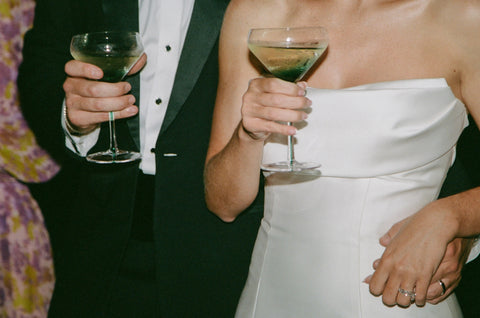


What Is a Black Tie Event?
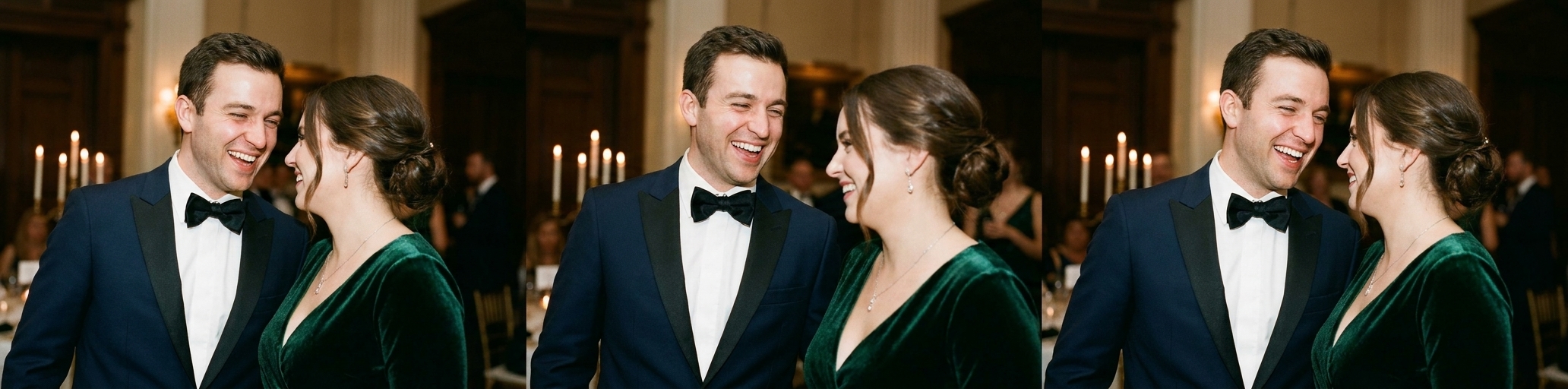
Black tie is the most common elevated dress code for formal evening events, requiring a dinner jacket with satin lapels and black bow tie for men and floor-length gowns in evening fabrics for women. Understanding the specific components and variations helps you dress appropriately and arrive confident at galas, weddings, and formal dinners.
Understanding the Black Tie Dress Code
Black tie is the most common elevated dress code for after-dark formal events, requiring a dinner jacket with satin lapels, matching trousers, and a black bow tie.
What is a Black Tie Event?
A black tie event is a formal social occasion where guests are expected to dress in evening wear, typically beginning after 6 PM. [3] It sits one level below white tie but above business formal, making it the most common elevated dress code for weddings, galas, charity balls, and formal dinners. [2] For men, the name is almost literal -- a black bow tie paired with a dinner jacket forms the foundation of the look. [1] If you want to see where it fits in the broader formal attire for men hierarchy, black tie is the dress code you'll actually encounter most at after-dark events.
Historical Roots and Evolution
The dinner jacket traces back to 1865, when the Prince of Wales (later King Edward VII) commissioned Savile Row tailor Henry Poole & Co. to create a less formal alternative to the white tie tailcoat.[5] The style reached the U.S. in 1886, when James Brown Potter wore the jacket to a ball at Tuxedo Park Club in New York -- giving the garment its American name.[5] From there, the dress code shifted across decades: midnight blue fabrics and the double-breasted tuxedo defined the 1930s, slimmer cuts emerged in the 1950s, and the experimental silhouettes of the 1970s gave way to the classic proportions that define black tie today.[4]
Core Elements of the Dress Code
The core components of black tie are more specific than most dress codes. For men, the foundation is a dinner jacket with satin or grosgrain lapels paired with trousers that have a matching satin stripe down the leg -- details that separate a tuxedo from a standard suit [6].
A white dress shirt, black bow tie, and patent leather shoes complete the base; accessories like a cummerbund or waistcoat, cufflinks, and a pocket square are optional but expected at more formal events [6]. For women, the standard centers on floor-length gowns in evening fabrics -- velvet, chiffon, silk, or lace -- though the dress code allows more interpretation than the men's equivalent [1].
How It Differs from Formal, White Tie, and Black‑Tie Optional
White tie sits above black tie on the formality scale: men wear a tailcoat, white waistcoat, and white bow tie -- not a tuxedo -- and it's reserved for state banquets and royal ceremonies rather than weddings or galas.[8] Formal attire, which often appears on invitations in place of black tie, is a step down in strictness and allows dark suits alongside tuxedos.[7] Black-tie optional is the most relaxed of the three -- a tuxedo is welcome but not required, and a well-tailored dark suit with a dress shirt and tie meets the standard just as well.[9] If you're still decoding what's on your invitation, our breakdown of black tie optional walks through the real-world differences.

Men's Classic Black Tie Attire
Black tie demands a tuxedo jacket with satin or grosgrain lapels, midnight blue trousers with a single satin stripe, and a mandatory black bow tie--never a necktie.
Essential Tuxedo Components
The tuxedo jacket is what separates black tie from a dark suit.
Black and midnight blue are both correct -- midnight blue reads darker under artificial light, making it the more formal option in practice. [11] The jacket is traditionally made from barathea wool or a wool-mohair blend, and the lapels -- shawl, peak, or notch -- must be finished in satin or grosgrain silk; if you want a sharper, more structured silhouette, a peak lapel tuxedo works in both single- and double-breasted cuts. [11] Trousers match the jacket exactly and carry a single satin stripe down the outer seam; unlike suit pants, they have no belt loops and rely on side adjusters or suspenders to stay in place. [10]
Shirt, Cummerbund or Vest, and Footwear
The tuxedo shirt comes in three styles -- a hidden-placket design (the least formal), a pique or marcella bib with a diamond-woven front, or a pleated bib -- and all require French cuffs and a spread or wing collar; explore your tuxedo shirt options before locking in your look. [11] If you're wearing a cummerbund, match the fabric to your lapels -- satin lapels take a satin cummerbund -- and keep the pleats facing up; a low-cut evening waistcoat is a clean alternative, while a double-breasted jacket skips both entirely. [11] Stud choice follows the waist covering: black studs pair with a cummerbund, white studs with a waistcoat. [11] For footwear, patent leather oxfords are the baseline, though black velvet Belgian loafers and black suede wholecuts also meet the standard -- always finish with solid black dress socks, no visible patterns. [11]
Bow Tie vs. Neck Tie: Why Bow Tie Is Required
The bow tie requirement at a black tie event isn't a style preference -- it's part of the dress code itself.
A necktie with a tuxedo is only acceptable at black-tie optional or creative black tie events, not at formal galas or weddings that specify strict black tie. [13] Your bow tie should be black and comes in three shapes: the butterfly (wide, flat-ended, and the most recognizable), the diamond point (similar body with distinct pointed wings), or the batwing (narrow and rectangular) -- when sizing, match the width roughly to your lapel width and collar spread for visual balance. [11] Tie it yourself; a hand-tied bow has the kind of slight, natural asymmetry that a pre-tied or clip-on version can't replicate, and the difference is noticeable. [12]
Modern Alternatives and Rental Options
While the traditional black jacket is the standard, a few variations are accepted at black tie without breaking dress code.
A white dinner jacket paired with black tuxedo trousers works well at summer or tropical events and reads just as formal as the dark alternative.[14] Velvet and mohair jackets in deep tones are also legitimate options, particularly for fall and winter events where richer texture shows well under dim lighting.[11] For most men attending a formal event once or twice a year, renting is the practical call -- you get a quality fit without buying or storing a tuxedo, and knowing the full tuxedo rental cost before booking helps avoid surprises at checkout.
Women's Elegant Black Tie Options
Formal fabrics like velvet, silk, and satin carry the visual weight needed to read as elegant under dim lighting at black tie events.
Traditional Floor‑Length Gowns and Fabrics
Floor-length gowns are the standard for women's black tie, and fabric choice is what separates an evening gown from a formal-adjacent dress.
Velvet, chiffon, silk, satin, and lace are the correct evening materials -- each carries enough visual weight and texture to read as formal under dim lighting. [1] For color, jewel tones like emerald, ruby, and amethyst work well at formal events, while nude and neutral tones land best when elevated with beading, embroidery, or sequins; black is always appropriate and pairs easily with statement accessories. [15] Avoid cotton, linen, or jersey -- even a well-tailored piece in a casual fabric will read as underdressed at a strict black tie event. [15]
Cocktail‑Length and Contemporary Silhouettes
At a strict black tie event, floor-length is the default -- but cocktail-length and midi silhouettes are accepted when the garment carries the visual weight of formal eveningwear.
A knee-to-midi hemline works if the dress features internal structure like boning and quality lining, evening fabrics like satin or lace, and refined tailoring that reads formal at a distance. [17] Formal jumpsuits and tailored pantsuits in silk, velvet, or satin are also a legitimate choice -- they've become more common at galas and wedding receptions, particularly when styled with heels and understated accessories. [16] The deciding factor isn't hemline length; it's whether the garment reads as intentional and elevated in the room. [18]
Accessories, Shoes, and Hairstyle Guidance
Accessories at a black tie event should complement your look, not compete with it -- the principle is balance.
If your gown is heavily embellished, keep jewelry minimal; if the silhouette is clean and understated, chandelier earrings or a statement cuff can carry more visual weight without overwhelming the look. [20] For shoes, heeled sandals or pumps in neutral or metallic tones are the standard choice, and a small satin or metallic clutch keeps things polished without distraction. [19] For hair, pulled-back styles like sleek updos keep focus on the dress and neckline, while a bold lip or defined eye provides the formal finish the occasion calls for. [20]
Seasonal and Cultural Flexibility
Black tie looks different depending on the season and setting, and adjusting your outfit accordingly is part of reading the room correctly.
For winter events, velvet and heavier fabrics in jewel tones -- deep emerald, sapphire, or ruby -- carry the visual weight the dress code calls for, while spring and summer events invite softer metallics, deep pastels, and lighter silhouettes in chiffon or silk that still read as formal. [21] Cultural context can shift expectations too -- what counts as elevated evening wear at a seated gala may differ from a destination wedding abroad, and the host's vision for the event always takes priority. [1] When the setting or occasion feels ambiguous, asking the host directly is the most practical move -- and most hosts appreciate guests who take the dress code seriously enough to ask. [1]
Black Tie Variations and Frequently Asked Questions
Proper fit matters most at black tie events--confirm your sizing before the event to avoid looking underdressed regardless of garment cost.
Black‑Tie Optional Explained
Black-tie optional means the host wants a formal atmosphere without requiring every guest to own or rent a tuxedo. [23] If you have a tuxedo, wearing it is always right -- the dress code doesn't cap your formality upward. [22] Skipping the tux?
Stick to black, charcoal, or deep navy in a solid or subtly patterned fabric, pair it with a white dress shirt and a dark silk necktie, and skip the black bow tie -- it reads as a failed tuxedo attempt rather than a deliberate suit choice. [22] Variations like "black-tie preferred" or "black-tie invited" signal roughly the same intent, and real-world outfit examples can help you calibrate your look against the room. [9]
Creative Black Tie: Adding Personal Style
Creative black tie keeps the formality of a standard dress code but opens the door to texture, color, and accessories beyond the traditional palette -- it's black tie with a defined point of view. [24] For men, this typically means swapping a classic black jacket for velvet in deep burgundy or forest green, or finding a tuxedo style in a less conventional fabric that still reads formal. [25] For women, metallic fabrics, jewel-toned gowns, and tailored jumpsuits in satin all meet the formality bar while leaving room for personal style. [25] The key is balance: pick one or two standout elements and keep everything else polished -- not every creative black tie event calls for the same level of interpretation, so reading the host's vision matters. [1]
Common Mistakes to Avoid
The most consistent mistake at black tie events is poor fit -- a jacket where the shoulders sit wide or sleeves extend past the wrist reads as underdressed regardless of what the garment cost, which is why confirming your tuxedo fitting options before the event matters. [27] Shoes are another common slip: casual boots, non-patent leather oxfords, and patterned dress socks that break the clean line from trouser to shoe all undermine an otherwise correct outfit. [26] For both men and women, over-accessorizing works against the look -- black tie's strength comes from restraint, not from stacking statement pieces. [27] When genuinely unsure about the host's expectations, asking directly is always the right call. [1]
FAQs: Suit, Color, and Tie Choices
The most common questions about black tie revolve around suits, colors, and ties.
A well-tailored dark suit is not a substitute for a tuxedo at a strict black tie event -- a suit is only appropriate when the invitation says black-tie optional; if you're weighing both, our tux vs. suit breakdown covers the decision clearly. [11] Tuxedo color is limited to black or midnight blue -- midnight blue reads darker under artificial light, making it the slightly more formal choice in practice. [28] Your bow tie should be black; alternatives like burgundy are only acceptable when the event specifically calls for creative black tie rather than standard. [28]


Planning Your Attendance
Choose your silhouette based on body type for women, or prioritize fit for men, then decide whether renting or buying makes sense for your event frequency.
Choosing the Right Outfit for Your Body Type
Body type is the most practical filter when narrowing down silhouette options, especially for women where the dress code allows real variation.
For hourglass figures, fitted A-line or ball gown silhouettes emphasize natural proportions; for pear-shaped figures, a full skirt with a fitted bodice draws focus upward and balances the hips. [29] Apple-shaped figures work well in sheath silhouettes with a defined waistline, while rectangular figures gain shape from A-line or ball gown cuts that add volume through the skirt. [29] For men, the dress code fixes the silhouette, so the priority shifts to fit -- reviewing a slim fit vs. classic fit comparison helps match jacket proportions to your frame before committing to a style.
Rental vs. Purchase: The Black Tux Advantage
For most men attending one or two formal events a year, renting is the practical default -- packages typically run $100-$250 and include the jacket, trousers, shirt, and accessories, while a quality tuxedo purchased outright starts around $500. [30] Buying makes more financial sense once you're attending four or more black tie events per year, at which point the per-wear cost drops below what you'd spend on repeat rentals. [32] Our rent vs. buy cost breakdown maps the numbers across multiple scenarios so you can see exactly where the crossover lands for your budget. [31] The Black Tux supports both rental and purchase paths with fit guidance built in -- helpful whether you're dressing for a spring wedding or starting to build a formal wardrobe.
Timeline: Fitting, Alterations, and Final Checks
For a rental, booking 3-4 months out covers most events -- during peak spring wedding season (April through June), extend that to 4-6 months, since popular sizes in the 38-44 regular range tend to go first. [33] Your initial fitting happens 4-6 weeks before the event, when measurements are confirmed and alterations are marked; a follow-up fitting 1-2 weeks out verifies everything sits correctly after those adjustments are made. [33] Plan to pick up your rental 2-3 days before so you can do a home inspection and confirm every piece is accounted for -- jacket, trousers, shirt, studs, and cufflinks -- before the day arrives. [33] Our black tie rental timeline maps each milestone by event type if you want a clear view of where you stand.
Etiquette Tips for Arrival and Socializing
Arriving on time -- or no more than 15 minutes after the listed start -- is the standard for black tie events; arriving early is a misstep, since hosts are often still preparing when the first guests walk in. [34] When you do arrive, greet the host directly, acknowledge the setting, and introduce yourself to guests you don't know -- confidence in introductions reads well in a formal room. [34] Keep conversation clear of politics and religion, listen as much as you speak, and when you sense the event winding down, make your goodbyes without drawing attention to your exit. [34] A follow-up message to the host the next day is a small gesture that consistently lands well. [34]
Hosting a Black Tie Event
Clarify black tie expectations on your wedding website so guests understand whether tuxedos are required and what silhouettes work best.
Writing Invitations with Clear Dress Code Guidance
The dress code note belongs in the lower left or right corner of the invitation, or centered at the bottom -- keep it brief, since you only have room for something like "Black-tie attire requested." [36] If you want to give guests more context -- acceptable silhouettes, fabric expectations, or notes about the venue -- move that detail to a separate information card or your wedding website, where there's space to expand without cluttering the main design. [35] A wedding website lets you go further, with wording like "Kindly wear a tuxedo or floor-length gown" and a short note clarifying what black tie does and doesn't require, so guests arrive confident rather than guessing. [36] On the invitation itself, only the first letter of the dress code line is ever capitalized. [37]
Advising Guests on Expected Attire
When guests receive a black tie invitation, most questions cluster around the same issues: can I wear a dark suit, does the dress need to hit the floor, and what counts as too casual.
Addressing these directly on your wedding website -- with specific answers rather than just restating the dress code label -- removes the guesswork and helps guests arrive confident. [39] For women, specifying that floor-length gowns in evening fabrics are expected narrows the field; for men, noting that tuxedos are required (not just preferred) sets a clear standard, and a link to a black tie vs. semi-formal breakdown gives uncertain guests a practical reference point. [38] If the venue, season, or theme shifts what's appropriate -- a tropical setting, for instance -- include that context early so guests can plan accordingly. [2]
Venue, Timing, and Formal Atmosphere
The venue and start time work together to set the tone before a single guest arrives.
Black tie events traditionally begin after 6 p.m. -- the evening timing is what separates the dress code from daytime formal attire and gives tuxedos and floor-length gowns the context they call for. [40] Venue options that match this formality include grand ballrooms, historic mansions, rooftop spaces with city views, and art galleries -- locations where the architecture and ambient lighting already carry some of that formal weight. [41] Soft, warm lighting, quality table settings, and clearly defined areas for cocktail hour, dining, and dancing each reinforce the atmosphere you're asking guests to dress for. [42]
Ensuring Seamless Guest Experience
The service structure at a formal event determines how the evening feels to guests -- not just the decor or venue.
Greeting each arrival with champagne sets the tone immediately, while live music during cocktail hour adds atmosphere without making guests responsible for filling the room.[43] A shared event itinerary keeps vendors and staff aligned on timing, so transitions from cocktail hour to dinner service to speeches happen without gaps that stall the energy.[42] An event coordinator or master of ceremonies managing the floor gives you the ability to stay present with your guests rather than running logistics through the night.[42]
- Black tie is the most common elevated dress code for after-dark formal events like weddings, galas, and charity balls.
- Men's black tie requires a dinner jacket with satin lapels, matching trousers with satin stripe, white shirt, and black bow tie.
- Women should wear floor-length gowns in evening fabrics like velvet, chiffon, silk, or lace to read as formally dressed.
- Poor fit is the most consistent mistake at black tie events--shoulders, sleeves, and hemlines matter more than garment cost.
- Black-tie optional allows tuxedos but accepts well-tailored dark suits with dress shirts and ties as equally appropriate.
- Book rental 3-4 months ahead for most events, 4-6 months during peak spring wedding season for popular sizes.
- Hosts should clarify expectations on wedding websites, specifying floor-length gowns for women and tuxedo requirements for men.
- https://www.vogue.com/article/black-tie-dress-code
- https://emilypost.com/advice/black-tie-dress-code
- https://www.beautiesltd.com/blogs/beau-ties-blog/what-is-a-black-tie-event?srsltid=AfmBOoqjuXoIvAdj5rQUyro6cCLZ8K4OLBcuJ_EXxbEFTahYzPZW_7Mn
- https://www.allandavidbespoke.com/post/complete-guide-to-black-tie-and-tuxedo-etiquette
- https://www.businessinsider.com/the-complete-history-of-the-tuxedo-2015-10
- https://www.otaa.com/blogs/journal/what-to-wear-for-a-black-tie-event
- https://www.brides.com/story/wedding-dress-code-explained
- https://www.beautiesltd.com/blogs/beau-ties-blog/white-tie-vs-black-tie?srsltid=AfmBOooVcDUWcgAaZ9QGa-Vk-9gIOl_IZQwvdepckHiM_6U5Jl4ETCqN
- https://www.theknot.com/content/what-to-wear-formal-black-tie-optional-black-tie-invited
- https://www.beautiesltd.com/blogs/beau-ties-blog/black-tie-event-dress-code?srsltid=AfmBOoqSjsjygAtbXYKxxOcfKX66ZmhN8-wnJAECcCVl1O9yXkVJJ_J4
- https://www.gq.com/story/black-tie-attire-explained
- https://www.beautiesltd.com/blogs/beau-ties-blog/black-tie-event-dress-code?srsltid=AfmBOorMDuJS8wc6roqQJF_glvV99WXGCHgDOPUt3BHsFgY7rs27ojT2
- https://www.thetiebar.com/blogs/faqs/can-you-wear-a-necktie-with-a-tuxedo?srsltid=AfmBOoodWnZkOZEvkUrVbVGgEKLYwbzipG1Wbbv6NeBC6ow9wUdc9uZi
- https://nationaltuxedorentals.com/what-to-wear-to-a-black-tie-event-a-complete-guide-for-men/
- https://www.terrycosta.com/blogs/blog/black-tie-attire-for-women?srsltid=AfmBOoqyBHVV3VBlQwsIjM-l4P2qASldu1bSLEyGYbJkusAjyw1my6zj
- https://www.terrycosta.com/blogs/blog/black-tie-attire-for-women?srsltid=AfmBOoonAzJe6ZFscMXUROU0YC3nA4fX_dk593PfcL-pflgIuEj0a7c-
- https://www.jovani.com/blog/cocktail-dresses-blog-post/ocktail-dress-for-black-tie-event/
- https://portiaandscarlett.com/blogs/news/the-women-s-dress-code-guide-for-black-tie-events?srsltid=AfmBOooPLVKo1Uf_Xmr5brM3Ui2P4_D4TC2BL__tQp-nKAChpgP0xzQX
- https://www.terrycosta.com/blogs/blog/black-tie-attire-for-women?srsltid=AfmBOorIuV1UV5zWTMg_VWnOSHmNpMzVJPBz8MCVsARxdUaE3RKyj5Yb
- https://www.harrods.com/en-gb/c/stories/women/black-tie-dress-code-guide?srsltid=AfmBOopgVwO16PyA28T4oog7wT3QvIo-0B9zyb-T82RxGmVbRs0BsL4e
- https://www.jovani.com/blog/formal-events/black-tie-vs-white-tie-evening-dresses/
- https://www.gentlemansgazette.com/tuxedo-black-tie-guide/etiquette/black-tie-optional-dress-code/
- https://www.vogue.com/slideshow/dear-alex-black-tie-optional-wedding-dress-code
- https://emilypost.com/advice/attire-guide-dress-codes-from-casual-to-white-tie
- https://www.birdygrey.com/blogs/the-birdy-edit/what-exactly-is-creative-black-tie
- https://xlook.app/blog/what-not-to-wear-to-a-black-tie-event/
- https://vestiumny.com/blogs/news/black-tie-dress-code-explained?srsltid=AfmBOoqLt7HRGarqeWkOTRYmlkiz_oxDxv1fzTf4xA2wYTzKTjYs9QIq
- https://savilerowco.com/en-us/blogs/news/black-tie-dress-code-explained-2?srsltid=AfmBOoq9c3t5M-xjNv4z6wdNLDE1QUuc9hqP0dW-_jTxSXFww2q1xdcX
- https://www.jovani.com/blog/formal-events/ultimate-guide-to-black-tie-dresses-for-women/
- https://www.google.com/goto?url=CAESwAEB7keqTV-RsyhZY3ZxM4-d8biTcpJbi-dxw84ksB3X9eSez0RKiJ1h87ZRMlrWY98jK19lCibafGSJJHIG-q2esSO_kwDYJ7w7gqCVRZyiJTxfRLQkoTYBOqkIzwYR6qlonuShT5TK5E8LDZqiL3e030EQ08X0_l_amIUVjTvA5gP_T3qPsEp7eLjVj_oTk0H6NfRmWZ7qvIAzuCGtetr7LUGOZcFA0Uny3BFvlNo-6-uPYOMxwwVYthZatzbtffg=
- https://www.google.com/goto?url=CAESnAEB7keqTbcULpUsF5YgmiHH3Ta56P76PlxDbuh5LpcKvwG15cC8K-EurSXWVtw205AqXJw62PvUQnxXcuXyYNsogRceMj1nCRkE6KCZec7UtPCoDHssIv76GlQr8DrLAgkWxJkN6F7UImUbPZLFjQSJRMI8dFwkrXeWagYI2DS5K0YIhs2RMEBuQE_XlzddVs2YWO61_51TxUZ2AAM=
- https://www.google.com/goto?url=CAESywEB7keqTUQK8hMrTVlLcyFUEFMDIL_Sosp2L8eAumjvtwCYhJWNzGVVxAd63O0NVWtFeA0UG2KjEqnEuqYHl1t3ZJ-HsFYJyUHULPUKj3uLI19R8tNqq_c0n0Ykmyv7HQQ-ASEGt6PjjR1eMuYl5_29zo8d_oOJqBkHLEeAKwrLPnzEbXskpqkTsil0Jx8yxmDqHUIcaBhrXY9trZdM_LLa-L24vULDry6moT50kBiScVoK7z-9-PKZJnVLpUI85j86as02ID4AVAp7hg==
- https://berksmenswear.com/blogs/berks-blogs/tuxedo-rental-timeline-how-far-in-advance-do-you-really-need-to-book-wedding-season-2026?srsltid=AfmBOorwRcqUHw06sYwVqunyVbE8PZL44cgpnaXgfkTffP5sjp3QAOwu
- https://gentlemanscodes.com/etiquette/black-tie-gala-etiquette-a-gentleman%E2%80%99s-guide
- https://www.deciduouspress.com.au/journal/how-do-you-write-a-dress-codes-wedding-invitation
- https://www.theknot.com/content/wedding-website-dress-code
- https://www.theaerialistpress.com/etiquette/invitation-etiquette
- https://bellabridesmaids.com/blogs/bridesmaids-buzz/black-tie-wedding-attire?srsltid=AfmBOor3YVxujODIZKDR742pVIL9Ugo7EDr1acqIqVgwHOw1HrOQ0rl1
- https://www.rockymountainbride.com/blog/a-cheat-sheet-to-wedding-guest-attire/
- https://www.emrgmedia.com/what-is-a-black-tie-event-a-complete-guide/
- https://events.org/events101/Tips-for-planning-a-black-tie-event
- https://www.eventworksrentals.com/blogs/blog/black-tie-event-planning
- https://www.empireroomomaha.com/blog/planning-a-black-tie-event-at-the-empire-room


