

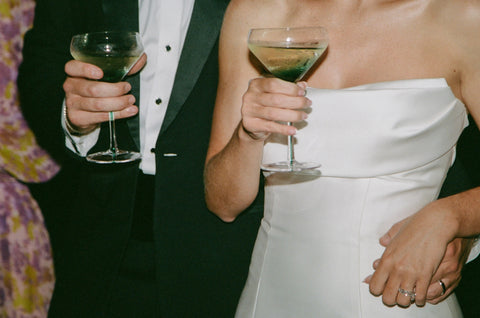


Formal Dress Attire for Men: Key Pieces & Styling Advice
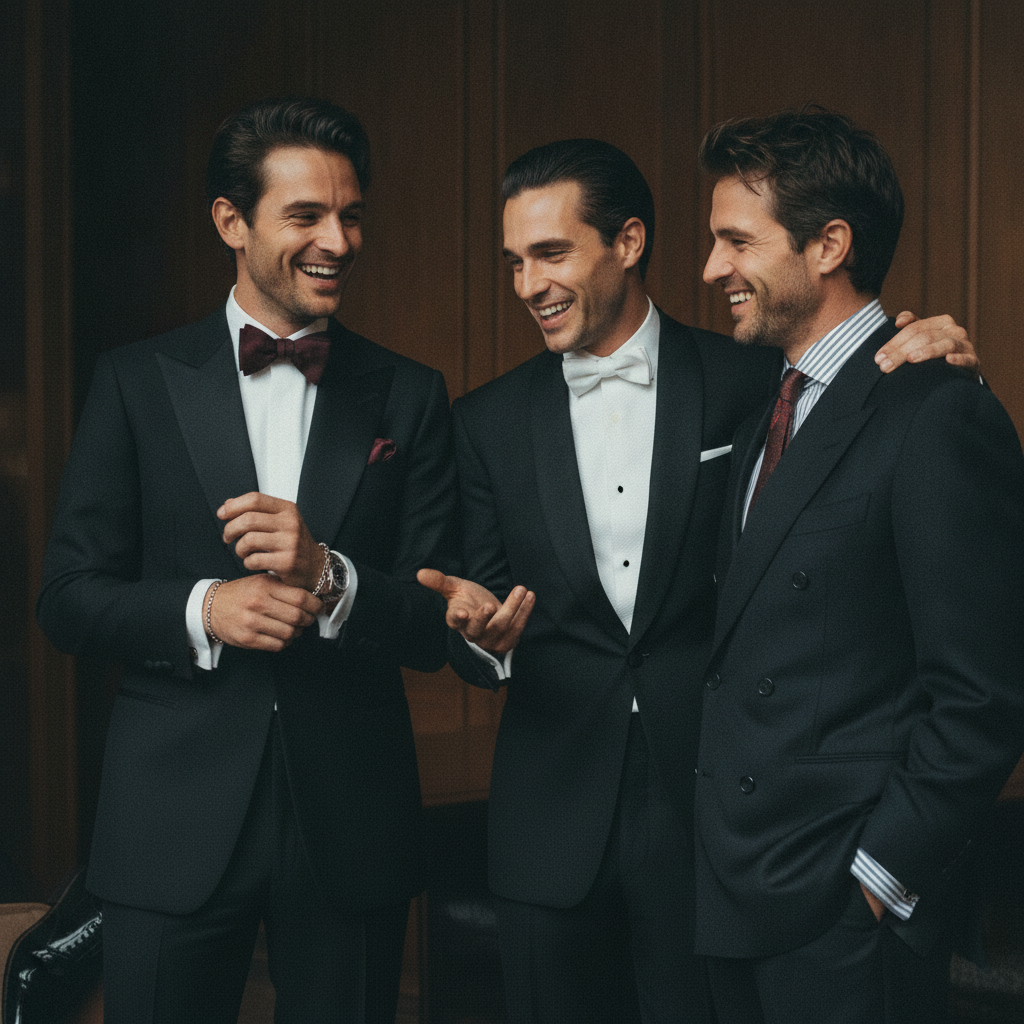
Master the essential pieces and styling techniques that transform formal dress attire from basics into a polished, confident look for any occasion. Learn how proper fit, fabric choice, and thoughtful accessories elevate your appearance at weddings, galas, and black tie events.
Understanding Formal Dress Codes
White tie, black tie, and business formal each occupy distinct rungs on the formality ladder, and knowing the differences ensures you dress appropriately for any invitation.
White Tie: The Ultimate Expression of Formality
White tie sits at the top of the formal dress attire hierarchy, reserved for state dinners, royal occasions, and the most exclusive galas [1]. Unlike black tie, which allows a dinner jacket, white tie requires a black tailcoat, matching trousers with a double stripe, a marcella wing-collar shirt, and a white bow tie [2].
This dress code traces back to 19th-century Britain, where the stark contrast between a dark tailcoat and a pristine white shirt signaled wealth restrained by good taste [1]. Because white tie appears so rarely today, understanding where it fits within the formal attire hierarchy helps you recognize an invitation that calls for it and dress with confidence.
Black Tie: Classic Evening Formal Attire
Black tie ranks just below white tie, calling for a black or midnight blue dinner jacket rather than a tailcoat [3]. A proper black tie outfit includes a tuxedo jacket with peak or shawl lapels, matching trousers with a satin side stripe, a white tuxedo shirt with French cuffs, and a black bow tie [4].
Despite loosened dress codes elsewhere, an invitation that reads "black tie" still means a tuxedo and bow tie, not a dark suit with a necktie [3]. The look originated in 1885 when England's Edward VII traded his tailcoat for a shorter smoking jacket, a shift that eventually took root at Tuxedo Park, New York, and gave the garment its American name [3].
Business Formal vs. Black Tie Optional
Business formal and black tie optional occupy different rungs on the formality ladder, and mixing them up can leave you under- or overdressed. Black tie optional gives guests a choice: a tuxedo remains appropriate, but a well-tailored dark suit--think a navy suit, charcoal, or black--paired with a white shirt and conservative tie also satisfies the dress code [5].
Business formal sits a notch below, built around a matching dark suit and tie without black-tie flourishes like bow ties or patent leather shoes [6]. The difference comes down to intent: black tie optional signals an evening event where hosts still expect elegance even from guests skipping the tuxedo, while business formal simply calls for your sharpest suit [7].
Modern Interpretations of Traditional Formal Codes
Formal dress codes have loosened in many settings, but the core rules for black tie remain largely intact despite chatter that they've changed [8]. Hosts increasingly favor an approach where black tie "means wearing a tuxedo" as the shared uniform for everyone in the room, since the dress code was built around a democratic idea from the start [8].
Modern formal attire, distinct from black tie, has fewer fixed specifications and often permits a well-tailored dark suit or even a suit with a colorful jacket depending on the venue and season [8]. This gives you more room to adapt formal wedding attire to daytime events, outdoor venues, or warmer climates without abandoning the polish the invitation calls for.

Essential Formal Dress Attire Pieces
Fabric weight, lapel style, and shirt collar choice work together to signal how formal your dress attire reads.
The Perfect Tuxedo or Formal Suit: Cut, Fabric, and Details
The foundation of formal dress attire starts with the cloth: dark, rich material with elegant drape that plays with light rather than fighting it [9]. Barathea, a matte wool weave, reflects less ambient light for a deeper black, while a wool-mohair blend adds sharpness and shine for those who run warm [9].
Weight matters too -- aim for at least 300g, ideally closer to 400g, since anything lighter sacrifices the drape that makes a jacket look tailored [9]. Lapel choice finishes the look: a peak lapel reads as confident and formal, while a shawl lapel's rounded edge signals classic elegance [10].
A sharply cut black tuxedo brings these fundamentals together, and nailing them before selecting your wedding tuxedos sets the tone for the rest of your look.
Formal Shirts: Wing Collars, Turndown Collars, and Pleating
The shirt beneath your jacket does more work than most people realize, and collar choice signals exactly how formal your dress attire needs to read. A wing collar, with its small pointed flaps, was designed to frame a bow tie and remains the standard for white tie occasions [11].
Most sartorial authorities today recommend the softer turndown collar for black tie instead, a shift credited to the Duke of Windsor that pairs comfortably with either a bow tie or a slim necktie [12]. Pleating adds another layer of formality: a pleated bib front is the traditional black tie standard, while a marcella piqué or plain bib front offers a cleaner, more contemporary alternative [13].
Neckwear: Mastering the Bow Tie and Formal Alternatives
Bow tie remains the definitive neckwear for formal dress attire, with cut mattering more than color since black, midnight blue, or burgundy exhaust the acceptable palette [14]. Match bow tie size to lapel width -- a wider peak lapel calls for a larger butterfly shape, while a slim notch or shawl lapel pairs better with a batwing or pointed cut [14].
Satin silk covers most formal occasions, though velvet offers a textured alternative that suits an oversized butterfly bow particularly well [14]. Always self-tie: a clip-on or pre-tied version signals a shortcut that undercuts the polish black tie demands [15].
For guests debating bow tie versus necktie at black tie optional events, a conservative tie can substitute when the tuxedo itself is skipped [16].
Formal Footwear: Patent Leather, Oxfords, and Proper Care
Patent leather remains the standard for black tie and white tie, prized for a mirror-like shine that pairs naturally with a tuxedo's satin lapels; outside of formalwear, children's shoes, and military dress, it reads as overdressed [17]. Oxford shoes deliver the same formality in a matte finish, distinguished from Derbies and other lace-ups by a closed lacing system where the vamp covers the eyelets [18].
The black cap toe Oxford works hardest across formal dress attire, covering weddings, funerals, and evening events, while a plain or wholecut Oxford in patent leather ranks among the most elegant choices for white tie or black tie specifically [18]. Keep patent leather in shape by wiping it with a soft, damp cloth after each wear and skip standard polish, which can damage the coating [17].
For calfskin Oxfords, cedar shoe trees preserve the shape between wears and help the leather last [19].
Formal Accessories and Finishing Touches
Waistcoats and cummerbunds each suit different lapel styles and body types, while cufflinks, studs, and pocket squares complete the formal shirt front.
Waistcoats and Cummerbunds: When and How to Wear Them
Choosing between a waistcoat and a cummerbund comes down to formality, body type, and lapel style rather than personal taste alone. Both garments exist to conceal the trouser waistband and the bottom of the shirt bib, a job the tailless dinner jacket can't do on its own [20].
The waistcoat, borrowed from the tailcoat's original evening dress, pairs best with a peak lapel's sharp angles, while the cummerbund's soft pleats complement a shawl collar's rounded line [20]. Cummerbunds also read cooler and tend to slim the waist, making them the better pick for summer events or fuller builds [21].
Skip either with a double-breasted jacket, whose buttoned front covers the waist [20]; for daytime formality, a three-piece suit's vest does similar work.
Cufflinks, Studs, and Watches for Formal Occasions
Cufflinks and shirt studs finish the shirt front once the tie is set, and formality dictates the details. Double-sided chain-link cufflinks rank as the most traditional choice for black tie, while a T-bar cufflink trades polish for convenience [22].
Black onyx studs suit the most formal evening events, though mother-of-pearl works for daytime or summer celebrations [22]. Metals should match throughout -- gold cufflinks call for a gold watch case, silver for silver [22].
A watch remains optional at black tie; if worn, choose a thin dress watch with a black leather strap rather than a sports or dive watch, or skip it and carry a pocket watch instead [23][24].
Pocket Squares, Boutonnières, and Subtle Accents
A pocket square remains essential even though a tuxedo jacket technically works without one, since a well-folded square instantly sharpens the whole look [25]. For black tie, a white linen pocket square in a simple presidential or TV fold reads as the most classic choice, and hand-rolled edges separate a quality square from a rental-shop version [25].
If you want a touch of color, stick to a solid red or purple rather than a pattern, which can compete with the tuxedo's restraint [25]. A boutonnière and a pocket square can be worn together in the vast majority of cases, provided your lapel has a working buttonhole rather than a pin-through flower [25].
The only time to skip the pairing is when the boutonnière is unusually large or ornate enough to overshadow the pocket square entirely [26].
Formal Outerwear Options for Complete Elegance
An overcoat completes formal dress attire once temperatures drop, and the Chesterfield stands as the most formal option, prized for clean lines and a minimalist design suited to evening wear, opera, or any black tie occasion [27]. Originally cut for British aristocracy to wear over evening dress, the coat's velvet collar doubled as protection, guarding a tuxedo's collar from hair pomade and powder [27].
Structural detailing like flap pockets or a prominent belt reads more casual, so the most formal overcoats keep a plain front, slim lines, and black coloring to match the tuxedo underneath [28]. A double-breasted cut with peak lapels or an Ulster collar suits formal outerwear best, since notched lapels only became associated with the garment during a 1980s fad [28].


Styling Your Formal Dress Attire
Proper fit transforms formal dress more than any fabric choice, with shoulder seams, jacket length, and button placement each requiring precise tailoring for a polished appearance.
The Transformative Power of Proper Fit and Tailoring
Proper fit transforms formal dress attire more than any fabric or lapel choice, turning an off-the-rack tuxedo into something that reads as tailored specifically for you. The shoulder seam should sit flat and meet the sleeve exactly where your arm meets your shoulder, since this area is nearly impossible to correct once the jacket is built [29].
Jacket length matters just as much -- the hem should fall past the waist and land around the middle of your hand with arms relaxed at your sides [29]. A skilled tailor also aligns the button stance with your torso's narrowest point and cuts the armhole as high as comfort allows, which improves movement and sharpens the line through the chest [30]; working through a suit jacket size chart beforehand makes those adjustments far more precise.
Color Theory and Coordination for Formal Settings
Formal dress attire relies on restraint rather than boldness, and a crisp white shirt remains the safest foundation since it pairs with almost any suit color--from a navy suit to a lighter blue suit [31]. Complementary colors--shades that sit opposite each other on the color wheel, such as navy and burgundy--create contrast that still reads as elegant rather than loud [32].
Analogous colors like light blue, navy, and grey sit closer together on the wheel and produce a calmer, more cohesive palette suited to black tie [32]. Accessories such as a tie or pocket square offer the safest way to introduce a secondary color, since they appear in small enough doses to avoid overwhelming the tailoring [33].
Keep black tie limited to navy, burgundy, silver, or dark green accents against your dinner jacket rather than reaching for brighter combinations [32].
Seasonal Adaptations to Formal Dress Standards
Formal dress attire adapts across seasons primarily through fabric weight rather than any change in cut or color. Tropical wool, woven in the 220 to 240 gram range with a looser weave, keeps a dinner jacket breathable enough for summer galas and outdoor ceremonies without sacrificing the drape formal wear requires [34].
Winter formal events call for heavier cloth, typically 300 to 350 grams, which adds structure and warmth through denser fiber construction and techniques like flannel brushing [34]. A midweight wool around 260 grams bridges both extremes, making it a practical choice if you only own one formal suit or tuxedo [34].
For outdoor summer cocktail events, matching fabric weight to climate keeps you comfortable without compromising the polish black tie demands.
Expressing Personal Style While Maintaining Formality
Formal dress codes leave more room for personal expression than most guests assume, as long as the core components stay intact. Creative black tie, for instance, keeps the black-tie foundation but welcomes texture, color, and accessories as a way to personalize the look [35].
Within standard black tie, choices like a single-breasted versus double-breasted jacket or a peak versus shawl lapel let you express taste without stepping outside the dress code [36]. Accessories offer the lowest-risk outlet for individuality -- hosts notice and appreciate guests who elevate details like a pocket square or cufflinks rather than treating them as afterthoughts [37].


Building and Maintaining a Formal Wardrobe
A core formal capsule of quality, classic pieces--tuxedo, white dress shirt, black oxfords, and accessories--works across multiple dress codes and occasions.
Investment Pieces vs. Rentals: A Cost-Benefit Analysis
Renting a tuxedo usually costs $150 to $250 for a single event, a price that covers cleaning and current styles without demanding closet space [38]. Buying requires $500 to $800 upfront, but that cost breaks even after just two or three wears once you factor in the $15 to $25 cleaning fee attached to each rental versus the same expense spread across years of ownership [38].
Guests attending one wedding every few years find renting the more practical, lower-hassle choice, while grooms, frequent groomsmen, and men with several formal events on the calendar typically save money by owning [39][40]. With The Black Tux, you can rent or buy entirely online, complete with a home try-on so you know the fit is right well before the big day.
Mapping upcoming events against these numbers, similar to the scenarios where renting beats buying, clarifies which route actually saves you money.
Creating a Versatile Formal Capsule Collection
Building a formal capsule follows the same principle as any capsule wardrobe: choose pieces that combine with the greatest number of other pieces to produce the most outfits [42]. A well-tailored tuxedo anchors the collection, paired with a white dress shirt cut with french cuffs and a hidden placket front, since that detail lets the shirt double as an everyday formal piece once the bow tie comes off [41].
Round out the core with black patent or cap-toe oxfords, a black bow tie, and one set of chain-link cufflinks, so each piece works interchangeably across black tie, black tie optional, and business formal invitations [41]. Prioritize quality construction over quantity and skip anything trend-driven, since classic silhouettes stay relevant far longer than seasonal details do [41].
Proper Care and Storage of Formal Garments
Proper care extends the life of formal dress attire well beyond a single wear, starting with how you store each piece between events. A wide, curved wooden hanger supports the shoulder seam and prevents the sagging or creasing that thin wire hangers cause over time [43].
Store the jacket and trousers in a breathable garment bag made from cotton or flannel rather than plastic, which traps moisture and can lead to mildew or a lingering odor [44]. Leave space between garments in your closet so air can circulate, and keep formal pieces away from direct sunlight and strong fragrances that can fade fabric or absorb into the fibers [44].
Brush down the jacket after each wear and reach for a garment steamer instead of an iron when wrinkles appear, since direct heat can scorch delicate formalwear fabric [45].
Adapting Formal Attire Across Different Occasions
Formal dress attire shifts subtly by occasion, even as the core dress code holds steady. A black tie wedding favors a classic single-breasted dinner jacket paired with an evening shirt and bow tie, whether you're the groom or a guest [46]. Winter galas and festive celebrations invite more texture, with a velvet dinner jacket in deep burgundy or green adding seasonal warmth without breaking the dress code [46]. Parties and award dinners lean toward modern interpretations, where a shawl lapel dinner suit offers a fresh alternative to the traditional peak lapel [46]. When an invitation reads black tie optional, a tailored dark suit satisfies the dress code, though black tie optional guests should lean toward a tuxedo when one is available [47].
Formal dress attire comes down to a few fundamentals done well: a rich, well-cut jacket, a crisp shirt, the right neckwear, and a fit that looks made for you. Master those, and you'll walk into any wedding, gala, or black tie affair looking every bit the part. At The Black Tux, we make getting there simple--browse modern suits and tuxedos online, book a home try-on, or visit our showrooms to lock in the perfect fit before your next event.
- White tie requires a black tailcoat with marcella wing-collar shirt; black tie calls for a dinner jacket with bow tie instead.
- Proper fit matters more than fabric choice--shoulder seams, jacket length, and button stance should align precisely with your body.
- A crisp white shirt, quality oxfords, and self-tied bow tie form the non-negotiable foundation of formal dress attire.
- Renting costs $150-$250 per event; buying breaks even after 2-3 wears when factoring in cleaning fees.
- Store formal pieces on wooden hangers in breathable garment bags away from sunlight; steam rather than iron to avoid scorching.
- Waistcoats suit peak lapels while cummerbunds complement shawl collars; skip both with double-breasted jackets.
- Black tie allows personal expression through lapel style, jacket cut, and accessories without abandoning core dress code rules.
- https://westwoodhart.com/blogs/westwood-hart/white-tie-dress-code-mens-formal-evening-wear-guide?srsltid=AfmBOook98JdkWB5IE0HM3swTpEDcrCr8JOUCxXzG6qEryI8FsM_sQrY
- https://www.vogue.com/article/white-tie-dress-code-definition
- https://www.gq.com/story/black-tie-attire-explained
- https://www.apposta.com/sp/black-tie-dress-code-men.3sp
- https://www.the700shop.com/blogs/news/black-tie-vs-formal-vs-cocktail-what-each-dress-code-actually-means
- https://www.theknot.com/content/what-to-wear-formal-black-tie-optional-black-tie-invited
- https://www.brides.com/story/wedding-dress-code-explained
- https://www.theknot.com/content/wedding-guest-attire-cheat-sheet
- https://www.permanentstyle.com/2020/09/the-guide-to-cloth-for-black-tie-or-tuxedo.html
- https://www.tuxedobysarno.com/tuxedo-lapels-guide/
- https://bolditaliasuit.com/blogs/news/best-tuxedo-shirts-for-men?srsltid=AfmBOoroqL80l-1G3efF75ju4EYf4t5K8Ub5V0i8_XRYc6Yk_yukocmp
- https://www.gentlemansgazette.com/suit-vs-tuxedo-part-i/
- https://favourbrook.com/blogs/journal/the-ultimate-guide-to-the-dress-shirt?srsltid=AfmBOoo-RsqoAr-BmsiowMy5_OqbcRCgco2EI03P6zy35GUSuLdx1SRP
- https://www.bows-n-ties.com/black-tie-attire/
- https://www.beautiesltd.com/blogs/beau-ties-blog/black-tie-event-dress-code?srsltid=AfmBOoqmQlmGaVJGRqEiYR2eQMYlGr5fFeYg-hIoEU8BdZ1YGjHaBrnU
- https://www.gentlemansgazette.com/5-contemporary-black-tie-optional-looks/
- https://www.realmenrealstyle.com/patent-leather-dress-shoes-vdo/
- https://www.gentlemansgazette.com/oxford-shoes-guide/
- https://www.thenobleshoe.com/blogs/the-noble-shoe-blog/mens-black-oxford-shoes-guide?srsltid=AfmBOor-TX-jLS-pOG9lnhbqFNWfILvjxSCgkLXSWZSfs_rS-fHWc3X0
- https://www.gentlemansgazette.com/tuxedo-black-tie-guide/classic/evening-waistcoat-vest-cummerbund/
- https://www.michaelandrews.com/formal-wear-vest-vs-cummerbund/?srsltid=AfmBOoosgVET4bj1g-tQKEf4CGrkdyBDdRwvXBLVUeVARIDc7MTEIZaE
- https://www.jewellery-magazine.net/studs-cufflinks-and-watches-the-unspoken-rules-of-black-tie-jewellery/
- https://www.gentlemansgazette.com/black-tie-watch/
- https://hespokestyle.com/black-tie-watch/?srsltid=AfmBOop4LHDuu9kxHRhjYZXWuNEy-PLwm8F5QXI_AzGtTmjcX2IJGpkm
- https://www.gentlemansgazette.com/tuxedo-black-tie-guide/basics-101/how-fold-pocket-square/
- https://www.gentlemansgazette.com/how-to-fold-a-pocket-square/
- https://ahandtailoredsuit.com/blogs/off-the-cuff/the-complete-guide-to-overcoats-part-2-military-heritage-formal-elegance
- https://www.gentlemansgazette.com/overcoat-dos-donts/
- https://www.artofmanliness.com/style/clothing/good-fitted-suit-visual/
- https://articlesofstyle.com/blogs/news/mens-suit-fit-guide-achieve-the-perfect-tailored-look
- https://www.thetiebar.com/blogs/news/how-to-match-ties-to-suits-a-complete-guide?srsltid=AfmBOooDymDk-nRXlmcSGeCtSFYT4CHQs2ycptDwKHnaXeMhXCmw6doM
- https://www.harvieandhudson.com/the-gentlemans-guide-to-colour-coordination-in-menswear/
- https://www.gentlemansgazette.com/using-three-more-colors/
- https://westwoodhart.com/blogs/westwood-hart/choosing-suit-fabrics-all-seasons-climates?srsltid=AfmBOopJzCQmYHzzWNnTsRZpxF9VNcD5KRbtYEaO9vk-ODE4PLvsJrKQ
- https://emilypost.com/advice/attire-guide-dress-codes-from-casual-to-white-tie
- https://www.josbank.com/blog/black-tie-wedding-guest-attire/?srsltid=AfmBOoqQkRUp9KNaNoM1mY3wg8a0Kw95ON9VSBjW2uv91BvvCNZ4wq5O
- https://www.vogue.com/article/black-tie-dress-code
- https://berksmenswear.com/blogs/berks-blogs/tuxedo-rental-vs-buying-5-times-youre-actually-better-off-owning-the-look?srsltid=AfmBOopKnsDoZ3b2IT3E20y1EQJvLhuasJHUdAhXuby_yPsfdapojrJL
- https://www.tuxedobysarno.com/rent-or-buy-which-one/
- https://www.angeljackets.com/pages/rent-vs-buy-a-suit-or-tuxedo.html?srsltid=AfmBOoqxcDMmDUXpJpEL6EoBOIYnW9xyJmf1s4wkDUh44JmDVDOJfUGZ
- https://articlesofstyle.com/blogs/news/professional-mens-capsule-wardrobe
- https://www.gentlemansgazette.com/capsule-wardrobe-guide/
- https://www.butlerluxury.com/blogs/news/suit-storage-for-beginners-protecting-ones-fine-attire
- https://culwell.com/how-to-care-for-and-store-suits-properly/
- https://www.oliverwicks.com/article/how-to-wash-suit?srsltid=AfmBOooknCZ_jIOm4v0ulH18WYhP5Py0G_iEbmB9fPMLC3J9wya0xLfW
- https://www.oliverbrownlondon.com/blogs/news/black-tie-dress-code-for-men-a-complete-style-guide-for-2025?srsltid=AfmBOoqwcSijg0beMGikZ9tnDZ4VG5URd6rijeLif0x287ZlzxVQDDg1
- https://www.josbank.com/blog/black-tie-wedding-guest-attire/?srsltid=AfmBOorcVh81CkcVgmn3wM8K2RIjkpJhhKFtcX-cY5ExIV6yZWLYUQwk


